
Last updated November 2, 2026
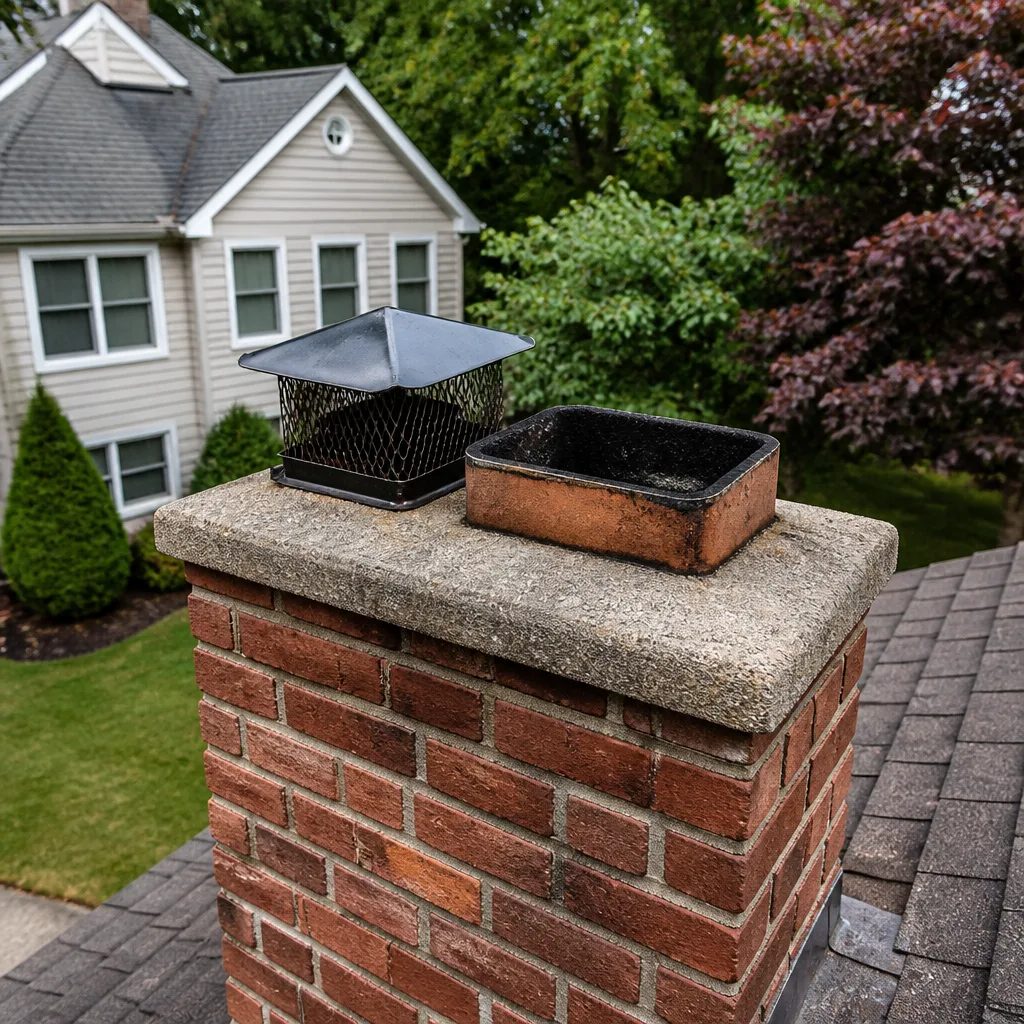 Sweep & inspection
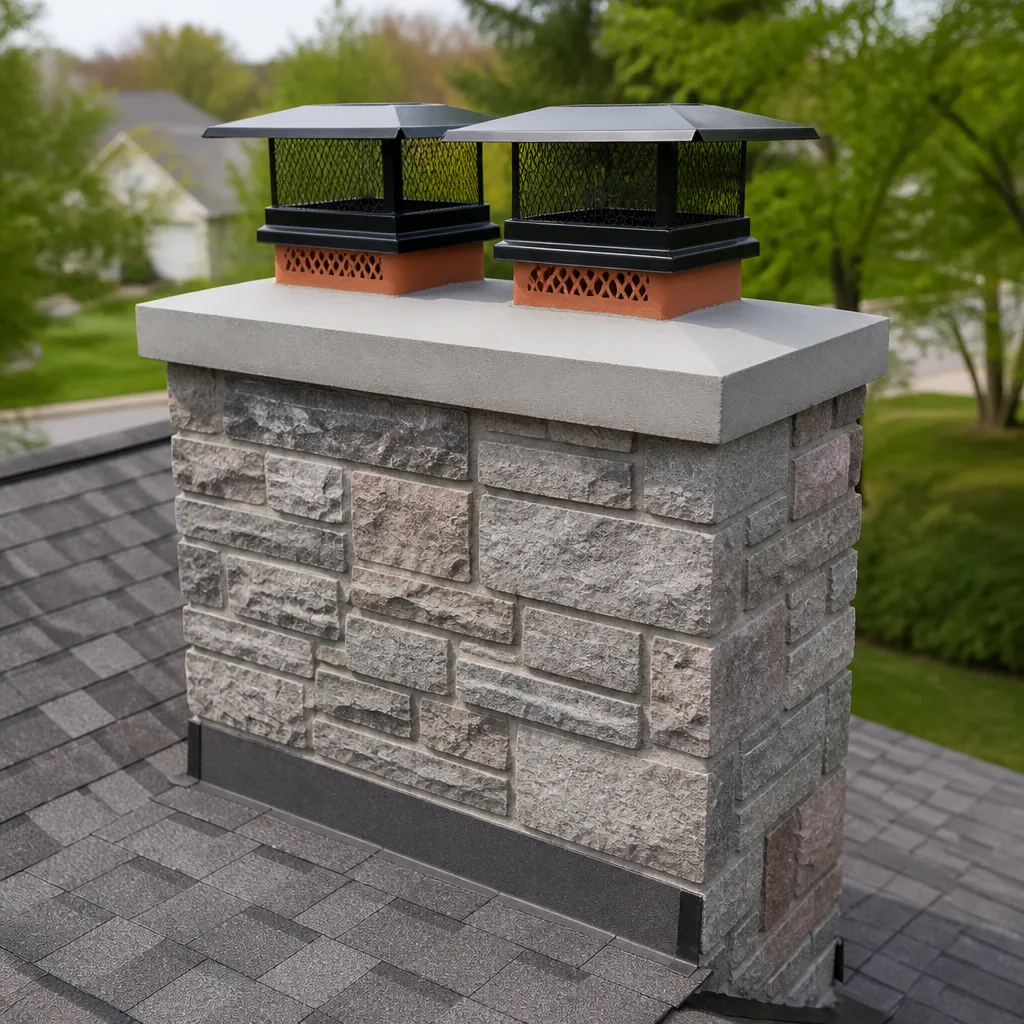 Caps & crowns
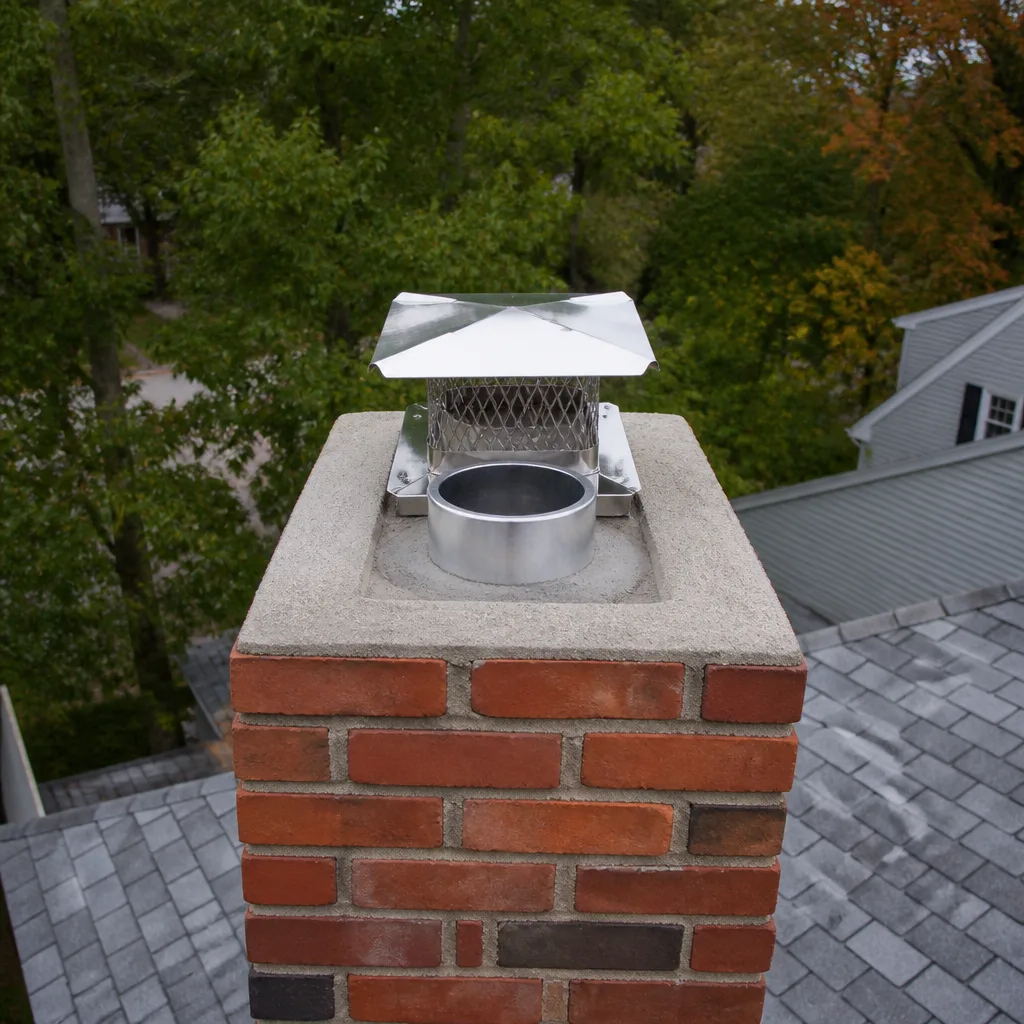 Flue relining
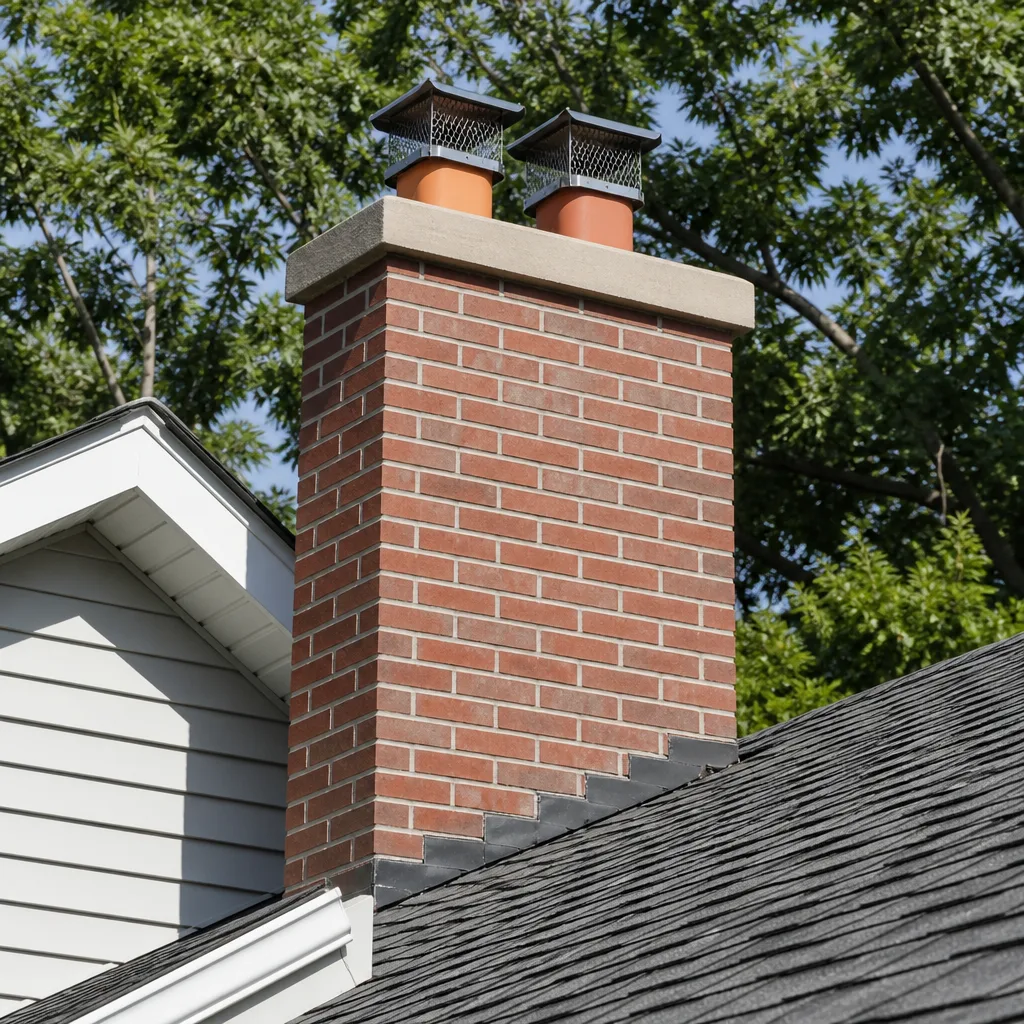 Masonry repair
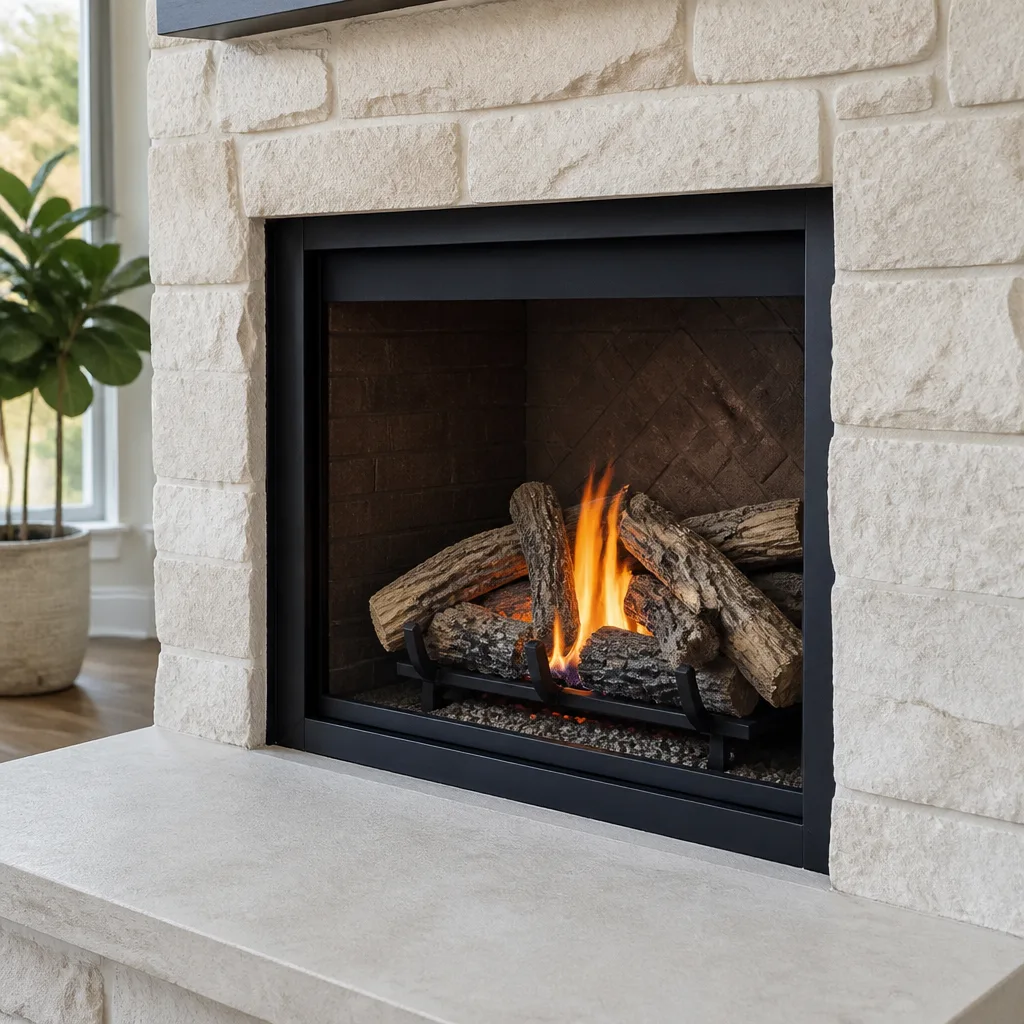 Gas fireplace service
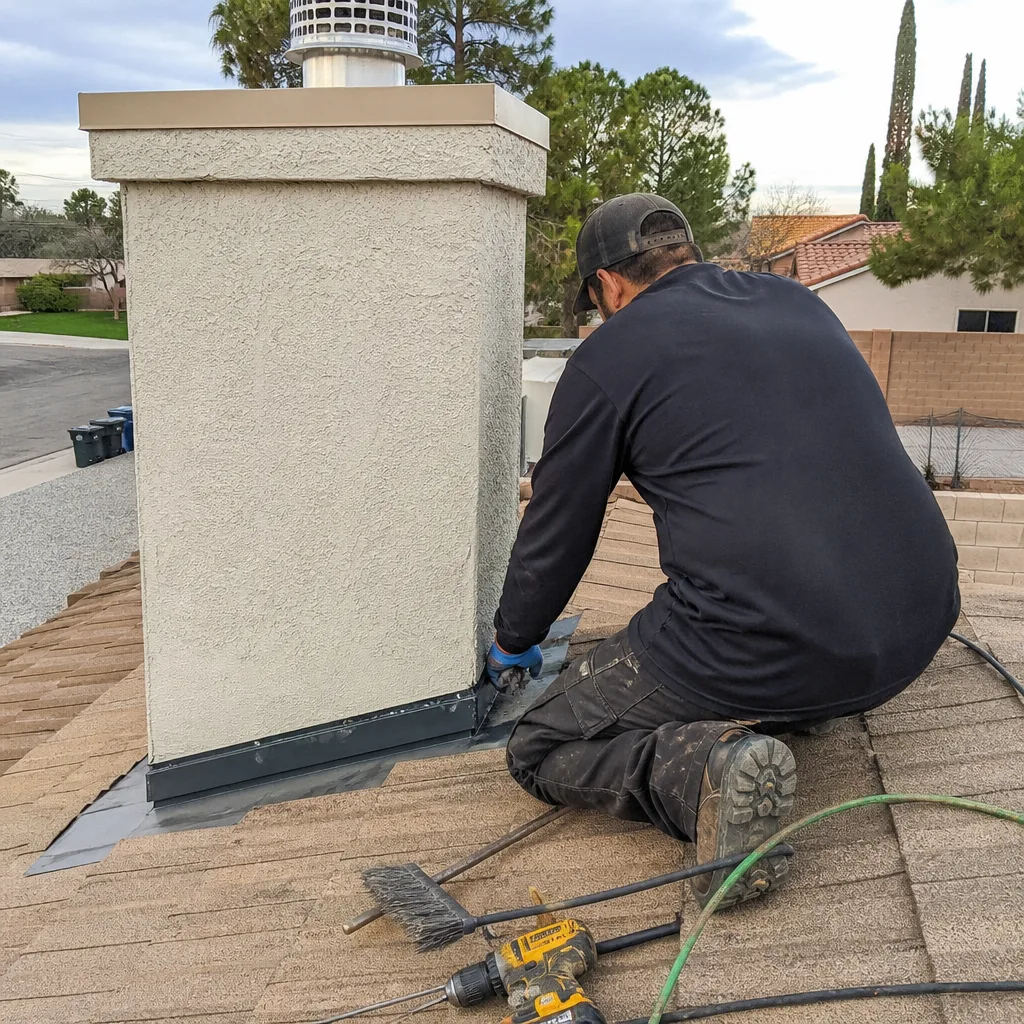
Level 1 sweep and inspection to the NFPA 211 annual standard - flue, crown, cap, and flashing checked and photographed
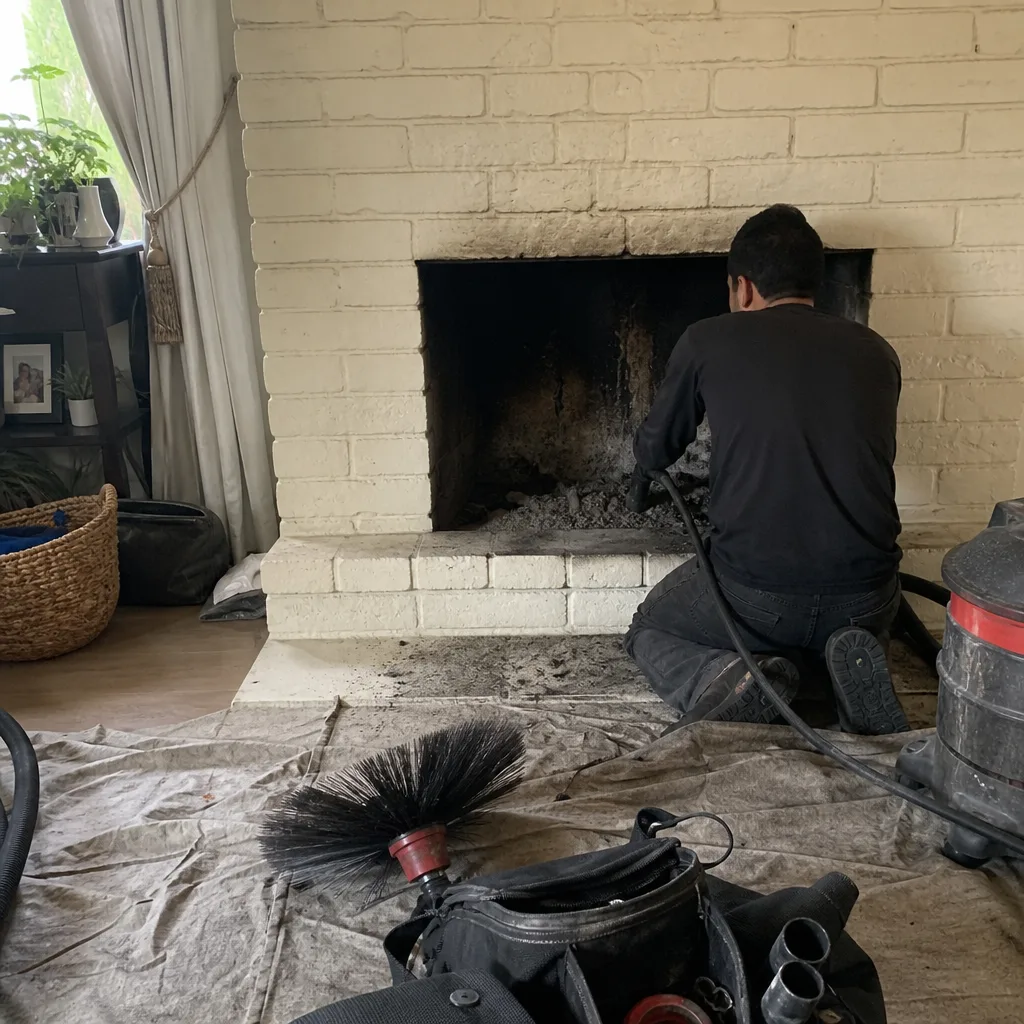
Chimney sweep logs do not sweep chimneys. They loosen some creosote - which then falls where a brush and vacuum still have to collect it.
Chimney Cleaning Emergency Preparedness Guide for Lancaster Homes
A chimney fire can reach 2,000°F inside the flue in under a minute, hotter than most house fires, and in Lancaster’s dry, wind-driven conditions, the window between ignition and exterior spread is shorter than most homeowners expect. This guide is built for the specific reality of the Antelope Valley: high-wind fire weather, low humidity, and homes that depend on fireplaces during cold desert nights. You’ll learn how to recognize an active chimney fire in its first seconds, what to do before the fire department arrives, why Red Flag Warning days change the rules, how to inspect and document damage afterward, and how to build a household plan that covers both chimney and dryer vent emergencies.
Quick Answer
The most important chimney emergency skill is recognizing an active chimney fire by its sound (a loud cracking or rumbling like a freight train), smell (intense, acrid smoke), and visible signs (flames or dense smoke from the chimney top, sometimes with burning debris falling). If you suspect a chimney fire, call 911 first, evacuate everyone, and close the damper only if you can do so safely without reaching into heat. In Lancaster, the highest-risk days are Red Flag Warning days, when dry winds and low humidity make chimney use far more dangerous, and you should suspend fireplace operation entirely during these periods.
Styles & brands we work with
- Sweep & inspection
- Caps & crowns
- Flue relining
- Masonry repair
- Gas fireplace service
Table of Contents
- Recognizing an Active Chimney Fire in the First 60 Seconds
- Why Lancaster’s Red Flag Warning Days Are the Highest-Risk Periods
- What to Do During a Chimney Fire: A Step-by-Step Response
- What Chimney Fire Suppression Kits Actually Do (and Don’t Do)
- Post-Fire Inspection Requirements and Insurance Documentation
- Building a Household Chimney Emergency Plan That Includes Dryer Vents
- Preventing Chimney Emergencies Before They Start
- Common Mistakes to Avoid
- When to Call a Professional
- Frequently Asked Questions
Recognizing an Active Chimney Fire in the First 60 Seconds
Chimney fires do not announce themselves the way house fires do. They happen inside the flue, concealed behind masonry or metal, and the first signs are often auditory and olfactory before they’re visual. In our experience working on Lancaster chimneys, we’ve seen homes where a chimney fire started and the occupants only noticed because a neighbor heard the roaring and called them. Review our Chimney Cleaning Warning Signs: A Lancaster Homeowner’s Reference Guide to catch these signals earlier. Here’s what to listen for, smell for, and look for.
Sound: The most reliable early indicator is noise. A chimney fire produces a deep rumbling or roaring that many homeowners compare to a freight train or a jet engine overhead. It’s not subtle. If you hear a loud, continuous rumble coming from your chimney that you cannot account for, that’s the sound of combustion accelerating inside the flue. The noise comes from air being pulled rapidly up the chimney, feeding the fire like a blast furnace.
Smell: Before visible flames appear, you may notice an acrid, hot, chemical-like smell. This is creosote burning. It’s distinct from normal wood smoke. Think of burning tar mixed with hot metal. Some homeowners also report a strong smell like a campfire burning plastic. If the odor is intense and seems to be coming from the chimney itself rather than the firebox, that’s a warning sign.
Visible signs: When you can see the fire, it may already be well underway. Look for flames shooting from the chimney top, dense dark smoke, or burning embers and debris falling onto the roof or yard. Inside the home, you may see the chimney walls glowing, hear cracking from the masonry, or feel intense heat radiating from the chimney breast. In a Lancaster home with a masonry chimney, cracks in the exterior brick can also appear suddenly as the structure expands under extreme heat.
The first 60 seconds matter because a chimney fire can crack a flue liner, spread to the roof structure through compromised mortar joints, or ignite nearby combustible materials. Lancaster’s dry air and wind mean that embers ejected from the chimney top can travel farther and ignite dry vegetation, patio furniture, or roofing material faster than in more humid climates.
Why Lancaster’s Red Flag Warning Days Are the Highest-Risk Periods
Lancaster sits in the Antelope Valley, where the National Weather Service issues Red Flag Warnings more frequently than in most coastal California communities. A Red Flag Warning means that weather conditions, typically a combination of sustained winds above 25 mph, relative humidity below 15%, and warm temperatures, have created an environment where any fire that starts will spread rapidly and be difficult to control. These conditions are common in Lancaster from late summer through fall and again during Santa Ana wind events in winter and spring.
Here’s what this means for your chimney specifically. A well-functioning chimney depends on draft: the upward flow of air that carries smoke and combustion gases out of the home. High winds disrupt draft. During a wind event, gusts can push air down the chimney, forcing smoke back into the living space. More critically, embers and sparks that would normally be contained within the flue can be pulled out of the chimney top and carried by the wind. In Lancaster, where residential neighborhoods border open desert and dry vegetation, a single ember landing on a shake roof, a dry juniper, or a pile of leaves can ignite a structure or brush fire within minutes.
The voluntary action we recommend to every Lancaster homeowner we work with is simple and non-negotiable: do not use your fireplace during a Red Flag Warning. This isn’t an overcautious suggestion. It’s the same logic CAL FIRE and Los Angeles County Fire Department apply when they issue burn restrictions and ask residents to avoid activities that produce sparks during high-wind events. A fireplace is an intentional fire inside your home. On a Red Flag day, that fire is operating in conditions that magnify every risk.
If you need heat during one of these wind events, use your central heating system or a space heater according to its safety instructions. Keep the damper closed to prevent wind-driven embers from entering the living space from outside. Check that your chimney cap is intact before wind season begins; a missing or damaged cap is a direct path for wind-blown debris and embers to enter your flue or exit onto your roof. We regularly install professional-grade caps and dampers from brands like Famco and Copperfield on Lancaster homes specifically because they hold up to the Antelope Valley’s wind conditions better than big-box substitutes.
What to Do During a Chimney Fire: A Step-by-Step Response
If you believe you have an active chimney fire, your goal is not to put it out. Your goal is to get everyone out safely and prevent the fire from spreading. Here is the sequence we teach homeowners in Lancaster, and it applies whether you have a masonry fireplace, a factory-built fireplace, or a wood stove.
- Call 911 immediately. Do not wait to see if the noise stops. Do not attempt to investigate further. Tell the dispatcher you have a chimney fire and give your address. Lancaster is served by Los Angeles County Fire Department, and response times in the Antelope Valley can vary depending on your distance from a station. Every second you delay the call delays the response.
- Evacuate everyone from the home. This includes pets. Do not stop to gather valuables. A chimney fire can spread to the attic and roof structure faster than you expect, and the smoke inside the home can become toxic quickly.
- If you can do so safely and quickly, close the damper. Closing the damper cuts off the fire’s air supply from below and can slow the burn. However, this only applies if the damper is accessible without reaching into or near the firebox opening. If the fire has already spread into the room or the damper is too hot to reach safely, leave it. Do not attempt to close the damper if flames are visible in the firebox.
- Close the fireplace doors or glass screen if you have them and can do so without getting close to the heat. This reduces the air feeding the fire from the room side.
- Do not pour water into the fireplace. Water on a burning chimney fire can create a steam explosion, crack the masonry, and spread burning creosote. This is one of the most dangerous things a homeowner can do during a chimney fire.
- Meet the fire department outside. Tell them it’s a chimney fire, where the fireplace is located, and whether anyone is still inside. Stay outside until they tell you it’s safe to re-enter.
After the fire department clears the scene, do not use the fireplace again until a certified chimney professional has inspected the entire system. The fire may have caused damage you cannot see, and using the fireplace before that damage is addressed can lead to a second, more serious fire.
What Chimney Fire Suppression Kits Actually Do (and Don’t Do)
Chimney fire suppression kits, sometimes called Chimfex or chimney fire extinguishers, are flare-like devices that you light and place inside the firebox. They work by rapidly consuming the oxygen in the flue, starving the fire. They can be effective at suppressing a chimney fire in its early stages, but they are not a substitute for calling 911, and they are not a guarantee.
What a suppression kit does: When ignited and placed correctly in the firebox, the device releases gases that displace oxygen in the chimney. Without oxygen, the fire in the flue cannot sustain itself and quickly dies down. This can buy valuable time while you wait for the fire department.
What a suppression kit does not do: It does not extinguish a fire that has already escaped the flue and entered the attic, walls, or roof structure. It does not repair the damage the fire has already caused. It does not eliminate the need for a professional inspection after the event. And it does not make it safe to skip evacuation or to continue using the fireplace later.
Having a suppression kit in a Lancaster home is a reasonable precaution, but only if every adult in the household knows where it is, how to use it, and understands its limits. A tool nobody knows how to use is not a safety device. More importantly, the best suppression strategy is prevention: a clean chimney does not have the creosote buildup that fuels a chimney fire in the first place. We’d rather prevent the fire than equip you to fight one, which is why regular chimney sweeping in Lancaster is the single most effective emergency preparedness measure you can take.
Post-Fire Inspection Requirements and Insurance Documentation
After any chimney fire, no matter how small, no matter whether you used a suppression kit or the fire department responded, the fireplace cannot be used again until a qualified professional has inspected the entire system and cleared it for operation. This is not a recommendation. It’s the bare minimum for safety.
A post-fire inspection must examine the flue liner for cracks and breaches, the masonry for structural damage, the chimney cap and crown for heat damage, the damper for warping, and the surrounding structure for signs of fire spread. In Lancaster homes with older masonry chimneys, heat damage to mortar joints is common even in fires that seemed minor from the outside. In homes with factory-built or prefabricated chimneys, a chimney fire often necessitates replacement of the entire chimney system because the components are not rated to withstand post-fire conditions.
For insurance purposes, documentation matters. You will need:
- A written inspection report from a qualified chimney professional describing the condition of the system after the fire
- Photographs of visible damage, including the flue interior if a camera inspection is performed
- Any receipts or records of prior chimney cleaning and maintenance, which demonstrate that the fire was not the result of owner negligence
- The fire department’s incident report, which you can request from Los Angeles County Fire Department
Many homeowners discover after a chimney fire that their insurance policy covers the damage but requires professional documentation before the claim is processed. The sooner that inspection happens, the sooner you know where you stand. If the fire caused liner damage, solutions like HeatShield liner restoration or a DuraFlex relining system can repair the flue without a full chimney rebuild. You can read more about these options on our chimney repair services for Lancaster homes page.
Building a Household Chimney Emergency Plan That Includes Dryer Vents
A household emergency plan that only covers chimney fires is incomplete. The same Lancaster home has a dryer vent, and a clogged dryer vent is the leading cause of residential dryer fires. The two systems share a common risk profile: they both accumulate flammable material (creosote in the chimney, lint in the dryer vent), they both operate with heat, and they both can fail catastrophically if ignored.
Here’s how to build a plan that covers both.
- Identify both fire risks in your home. Locate your fireplace and chimney, your dryer and its vent path. Know where the dryer vent exits the home and whether it’s accessible for inspection. In Lancaster, dryer vents often exit through the roof or an exterior wall, and long vent runs are common in single-story homes where the laundry room is in the center of the house.
- Install and test smoke and carbon monoxide detectors. This applies to every home, but it’s especially important in Lancaster because homes are often closed up during summer heat and winter cold, trapping combustion gases inside. Test detectors monthly and replace batteries twice a year.
- Designate a meeting point outside the home. Pick a spot away from the structure, like the end of the driveway or a neighbor’s front yard, where everyone gathers after evacuating. This matters for both chimney fires and dryer fires because both can compromise the home’s exits quickly.
- Schedule both systems for professional service on the same annual timeline. Chimneys should be swept and inspected at least annually if you use your fireplace regularly. Dryer vents should be cleaned annually for most households. A dedicated specialist like Chimney Cleaning Lancaster handles both, which means one company, one service visit, one less thing to coordinate.
- Know the early warning signs for each system. For chimneys: rumbling sounds, acrid smells, smoke backing into the room. For dryers: clothes taking longer than 40 minutes to dry, a burning smell during operation, the dryer exterior becoming unusually hot, or visible lint accumulating around the vent opening outside.
The dryer vent portion of this plan is not secondary. Dryer vent cleaning in Lancaster is a standalone safety service because clogged dryer vents cause thousands of residential fires annually across the country, and the Antelope Valley’s dry air makes any fire that starts more likely to spread quickly.
Preventing Chimney Emergencies Before They Start
Preparedness is not about reacting well to an emergency. It’s about making the emergency less likely. The most effective prevention measures for Lancaster homes are straightforward and within reach. Start with our Chimney Sweep Maintenance Checklist for Lancaster Homeowners to stay on track.
Annual sweeping and inspection. The Chimney Safety Institute of America and the National Fire Protection Association both recommend annual chimney inspections and cleaning when creosote accumulation reaches 1/8 inch. For details on local requirements, see Chimney Cleaning Permits, Codes & Inspections in CA: What You Need to Know. In practice, most Lancaster homes that use their fireplaces regularly need a sweep at least once per year, typically in the fall before the burn season begins. If you burn green or unseasoned wood, you may need more frequent service. Pine and juniper, both common in the Antelope Valley, produce more creosote than hardwoods when burned improperly.
Burn the right fuel. Seasoned hardwood with a moisture content below 20% produces the least creosote. Never burn construction lumber, painted or treated wood, cardboard, wrapping paper, or trash. These materials produce dense smoke and accelerate creosote buildup, and some release toxic compounds when burned.
Maintain a proper burn temperature. A fire that smolders at low temperature creates more creosote than a hot, efficient fire. Use smaller, well-seasoned logs rather than huge pieces that choke the airflow, and keep the damper fully open while the fire is burning.
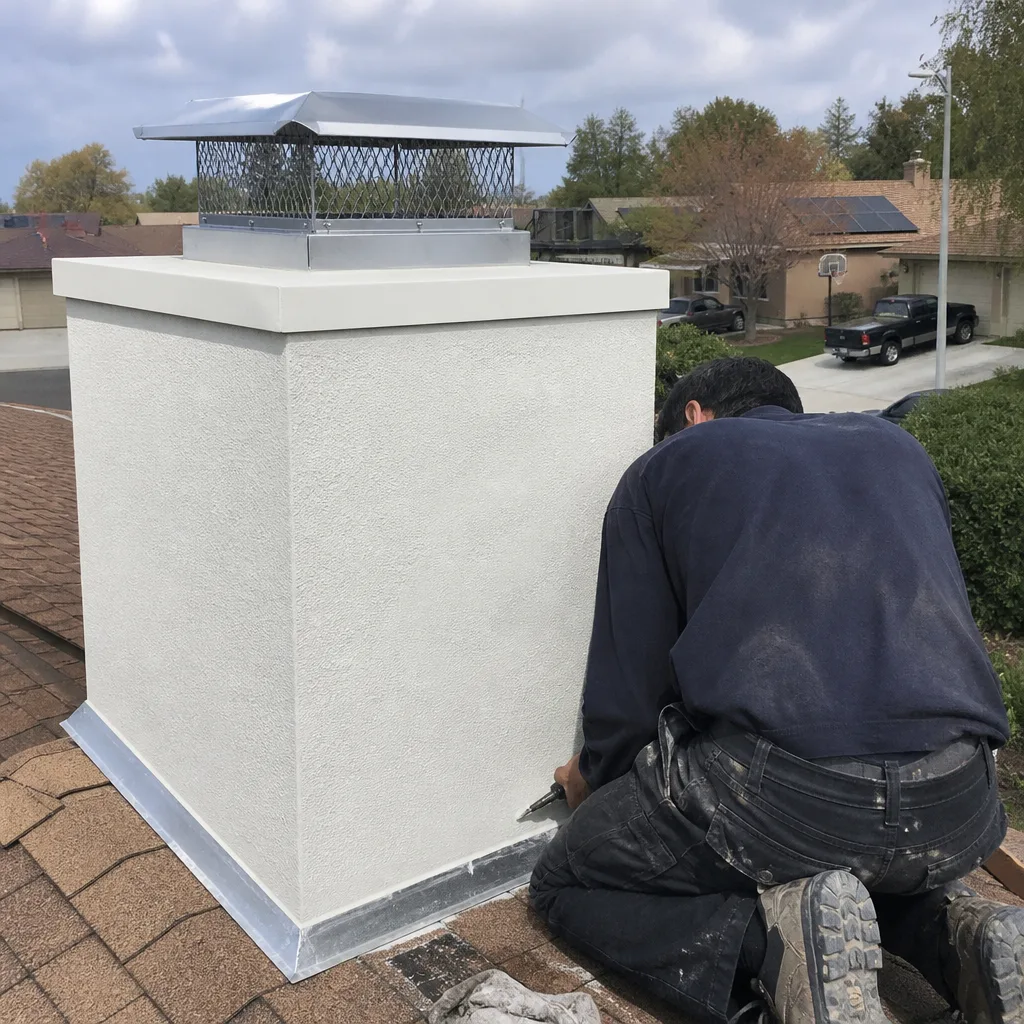
Inspect your chimney cap and crown annually. In Lancaster’s wind, caps loosen and crowns crack. A damaged cap lets rain, birds, and debris into the flue. A cracked crown lets water into the masonry, and freeze-thaw cycles in winter turn small cracks into structural problems. We supply and install caps and dampers from Famco, Copperfield, and Olympia Chimney, professional-grade brands that hold up better than the universal-fit caps sold at hardware stores.
If you have a gas fireplace, don’t skip the inspection. Gas fireplaces produce no creosote, but they still require annual inspection for venting problems, gas leaks, and carbon monoxide risks. A blocked or damaged vent on a gas unit can silently pump carbon monoxide into your living space. The fact that there’s no soot doesn’t mean there’s no hazard.
Common Mistakes to Avoid
- Using the fireplace during a Red Flag Warning because “nothing bad happened last time.” Lancaster’s wind patterns are inconsistent enough that a chimney can operate without incident during one wind event and eject embers onto a neighbor’s roof during the next. The risk isn’t hypothetical. It’s seasonal and recurring.
- Pouring water into a fireplace during a chimney fire. This can fracture hot masonry and create a steam explosion. It’s one of the most dangerous instincts a homeowner can act on in the moment.
- Assuming a chimney fire is over when the noise stops. A chimney fire can smolder inside the flue and reignite minutes or even hours later. The noise stopping is not the same as the fire being out, and it is never a reason to skip the post-fire inspection.
- Skipping dryer vent cleaning because “the dryer still works.” A clogged dryer vent reduces efficiency long before it becomes an obvious fire hazard, and by the time you notice longer dry times or a burning smell, the lint buildup is already dangerous. Annual cleaning is cheaper than the repair bill after a fire, and considerably cheaper than the deductible.
- Burning unseasoned wood because it’s available. Green pine and juniper from around Lancaster burn poorly, produce heavy smoke, and deposit creosote rapidly. The wood you burn is a choice that directly affects your fire risk.
- Ignoring small cracks in the chimney crown or masonry. Small cracks let in water. Winter freeze-thaw cycles in the Antelope Valley turn small cracks into large ones, and large cracks become structural problems. The repair earlier is always smaller and cheaper than the repair later.
- Assuming a gas fireplace needs no maintenance. Gas units produce carbon monoxide when they malfunction, and the first sign of a problem should never be a CO detector going off at 3 a.m. Annual inspection is the standard.
When to Call a Professional
Some chimney and vent issues are clear DIY territory: replacing a remote control battery, cleaning the fireplace glass after the unit cools. Most others are not. Call a professional if you see any cracks in the chimney masonry or crown, if smoke backs into the room during normal operation, if you notice a strong creosote or campfire smell even when the fireplace is not in use, if your dryer takes longer than 40 minutes to dry a load, or if you have any reason to suspect internal damage after a chimney fire or a seismic event.
If you’re in Lancaster and you’re not sure whether what you’re seeing is normal, call and ask. Chimney Cleaning Lancaster offers free estimates in Lancaster, and we’d rather answer a question than read about a fire that could have been prevented. Call (877) 376-0565.
Frequently Asked Questions
You’ll typically hear a loud rumbling or roaring sound like a freight train coming from the chimney, smell an intense acrid burning odor, and possibly see flames or heavy smoke from the chimney top. If you notice any of these signs, call 911, evacuate, and do not use the fireplace again until it’s been professionally inspected.
Once a year is the standard for homes that use their fireplaces regularly, and the sweep should happen before the burning season begins in the fall. Homes that burn green wood, use the fireplace daily, or have older masonry chimneys may need more frequent service. Call (877) 376-0565 to schedule a sweep and get an honest assessment of your flue’s condition.
Creosote is a tar-like byproduct of wood combustion that condenses on the inside of the flue as smoke cools. It’s highly flammable, and enough of it turns a routine fire into a chimney fire. Glazed or third-degree creosote is especially dangerous because it burns hot and is difficult to remove without professional equipment.
No. Red Flag Warning conditions include high winds and low humidity, which make any fire, including a contained fireplace fire, significantly more dangerous. Embers can be pulled from the chimney and carried onto your roof or into dry vegetation. Wait until the warning expires before using your fireplace.
Yes. The lint trap catches only a portion of the lint your dryer produces. The rest travels into the vent line, where it accumulates over months and years. A clogged vent line reduces dryer efficiency, increases drying time, and creates the conditions for a dryer fire. Annual professional cleaning is the standard for most households.
You’ll need a written inspection report from a qualified chimney professional, photographs of the damage, the fire department’s incident report, and any maintenance records showing the chimney was cleaned and inspected before the fire. The stronger your documentation, the smoother the claim process. Call (877) 376-0565 for a thorough post-fire inspection and the documentation you need.
The Bottom Line
Chimney emergencies in Lancaster are not random events. They follow patterns: creosote accumulation during burn season, wind-driven ember spread during Red Flag days, and clogged dryer vents during heavy laundry months. The emergencies that escalate fastest are the ones homeowners didn’t see coming because they didn’t know what to look for. Now you do. Listen for the rumble. Respect the wind. Sweep before the season. Clean the dryer vent annually. Keep the damper closed when the wind picks up. And if you ever suspect a chimney fire, get out, call 911, and deal with the inspection afterward. Prevention is quieter than a fire, and considerably less expensive. For more guides & resources, visit our blog, or for a free estimate in Lancaster, call (877) 376-0565.
Written by the team at Chimney Cleaning Lancaster, serving Lancaster since 2013.
See the difference
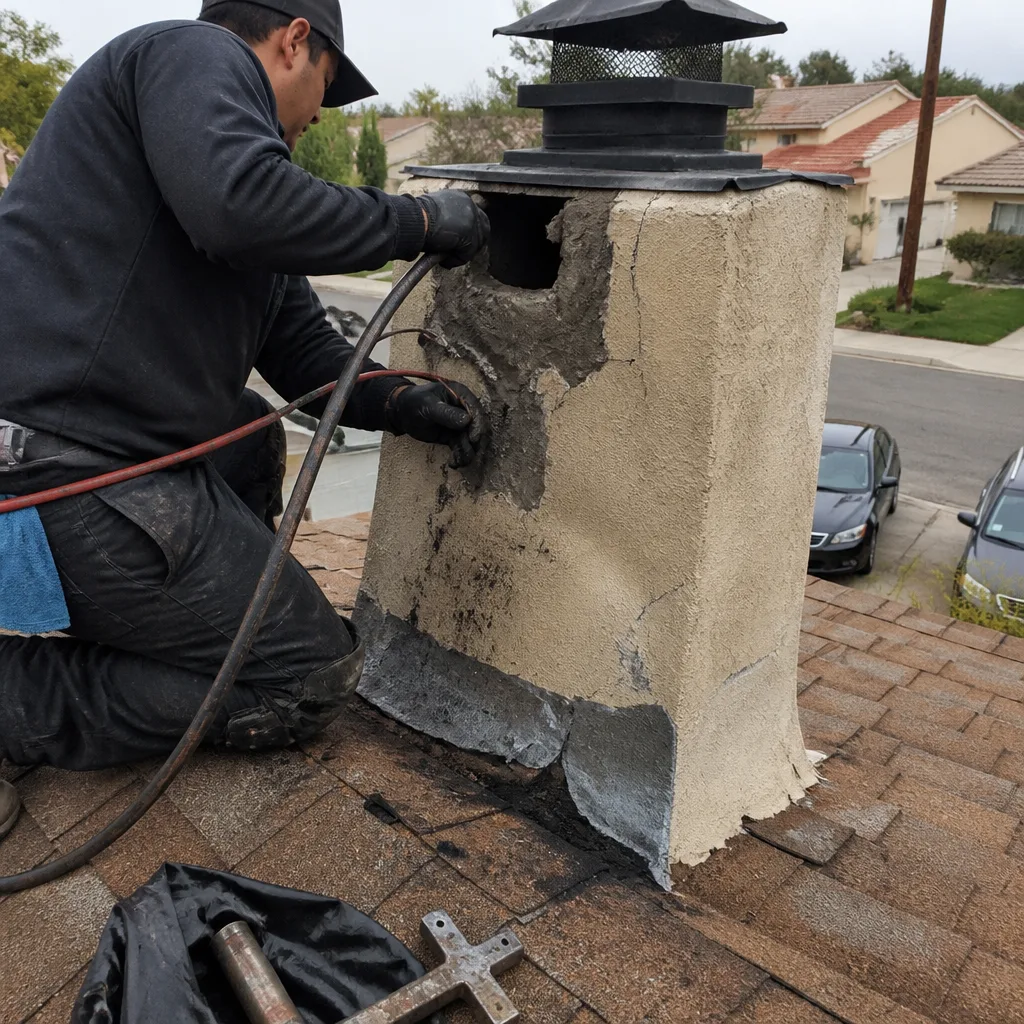 Before
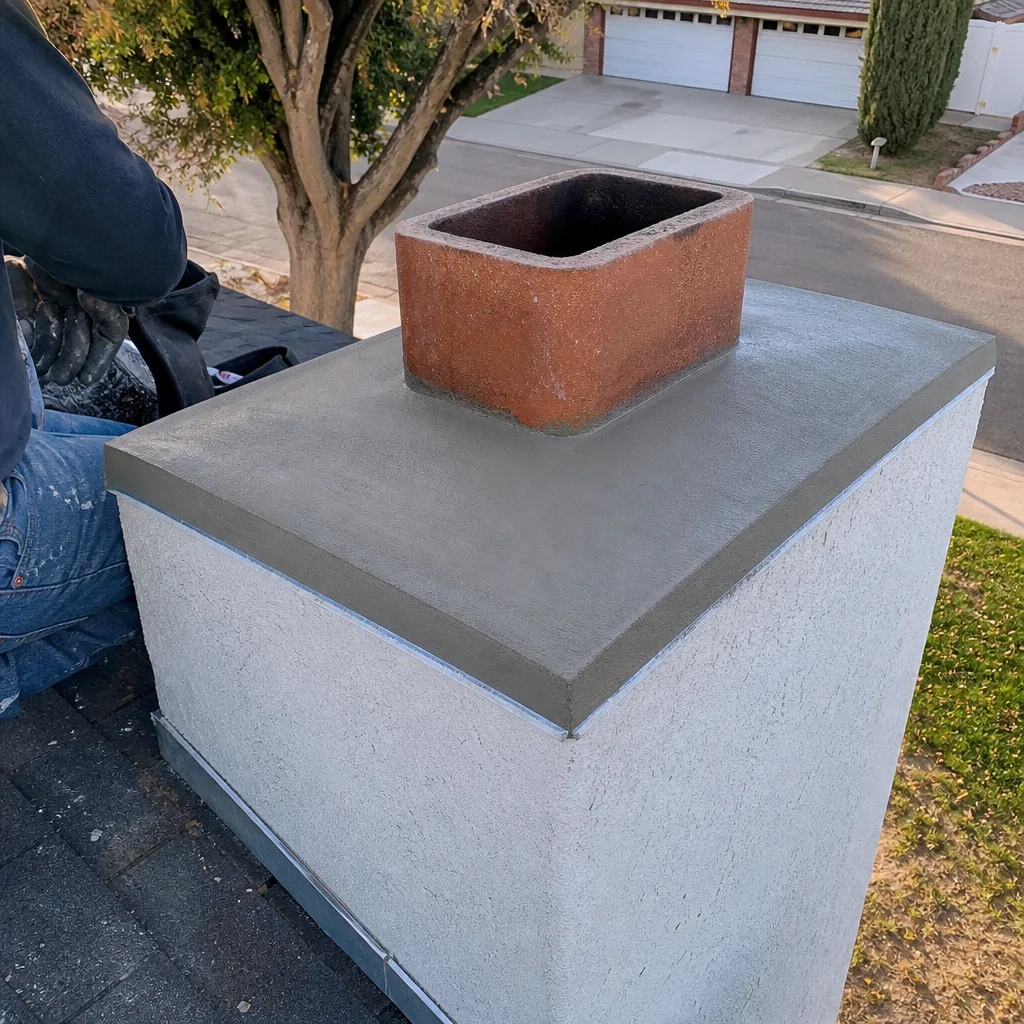 After
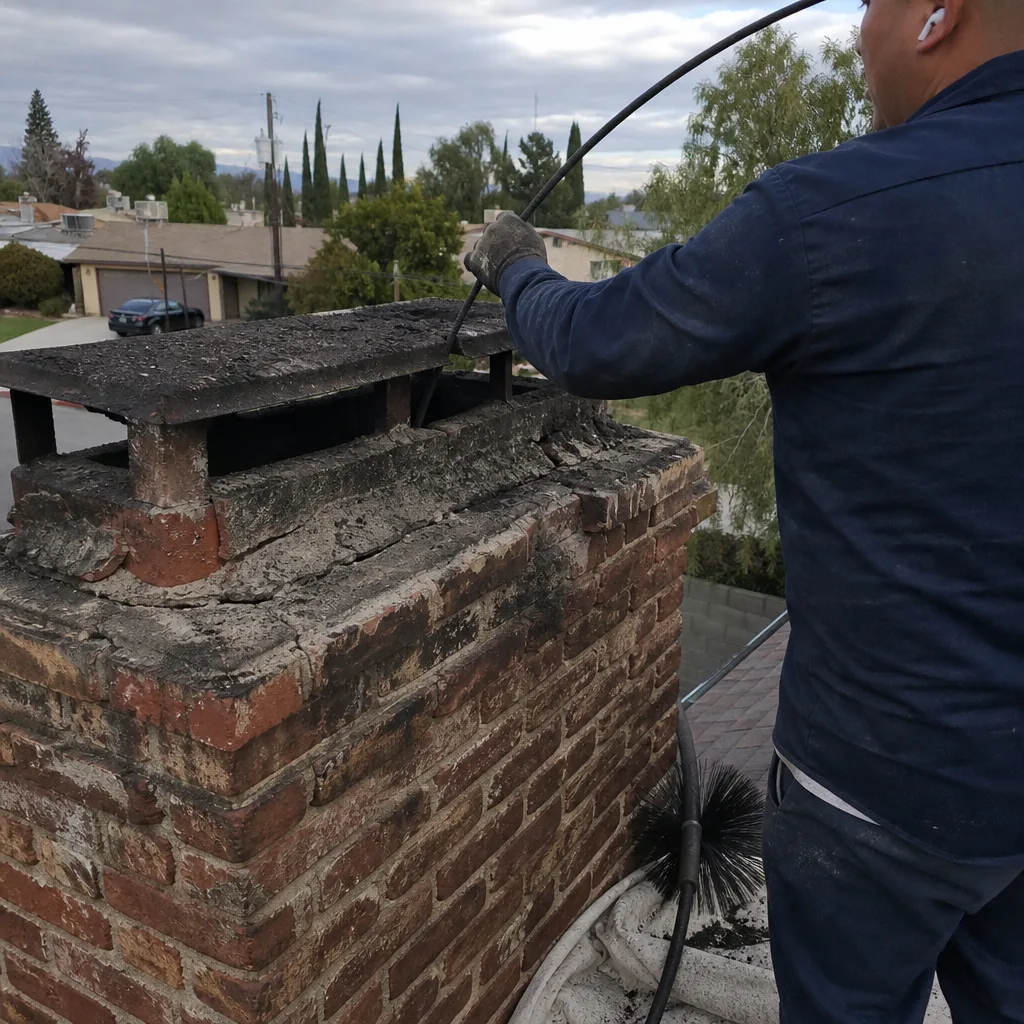 Before
 After
 Before
 After