
Last updated November 2, 2026
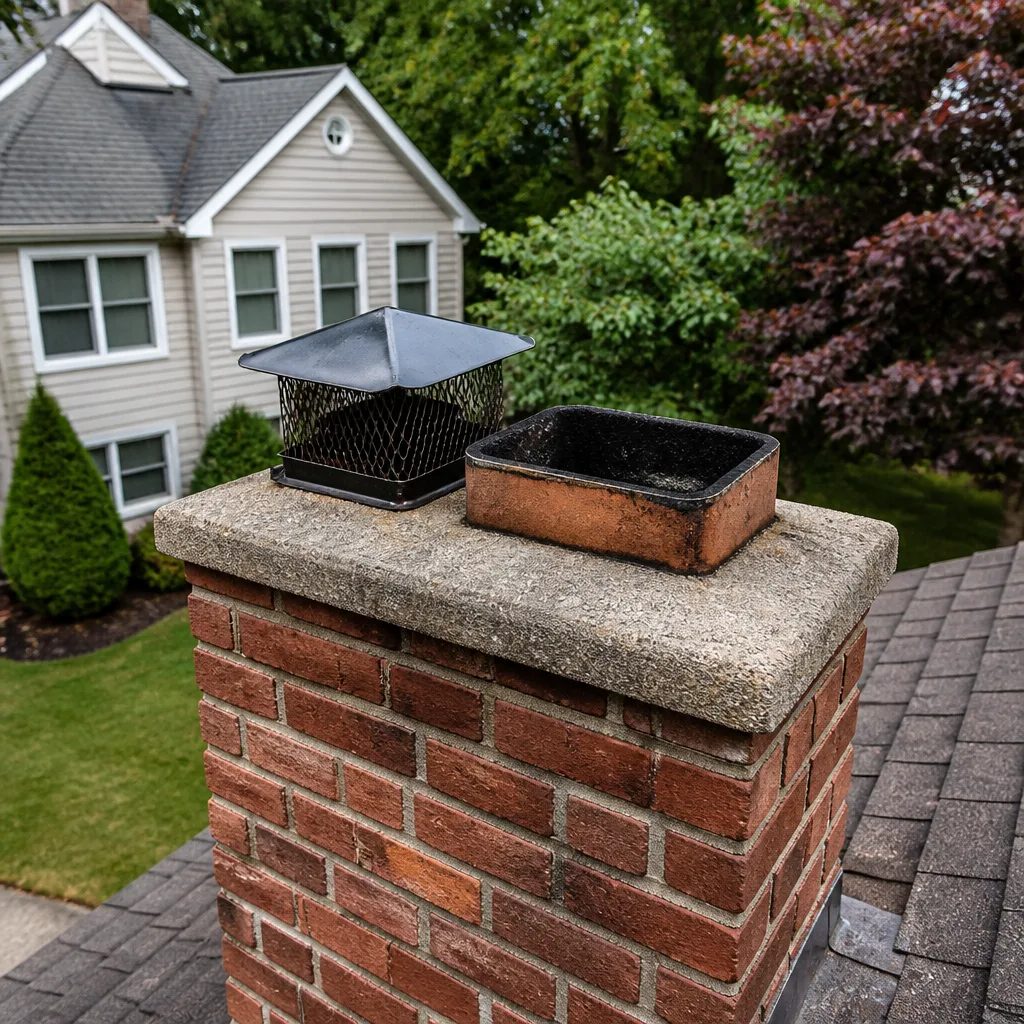 Sweep & inspection
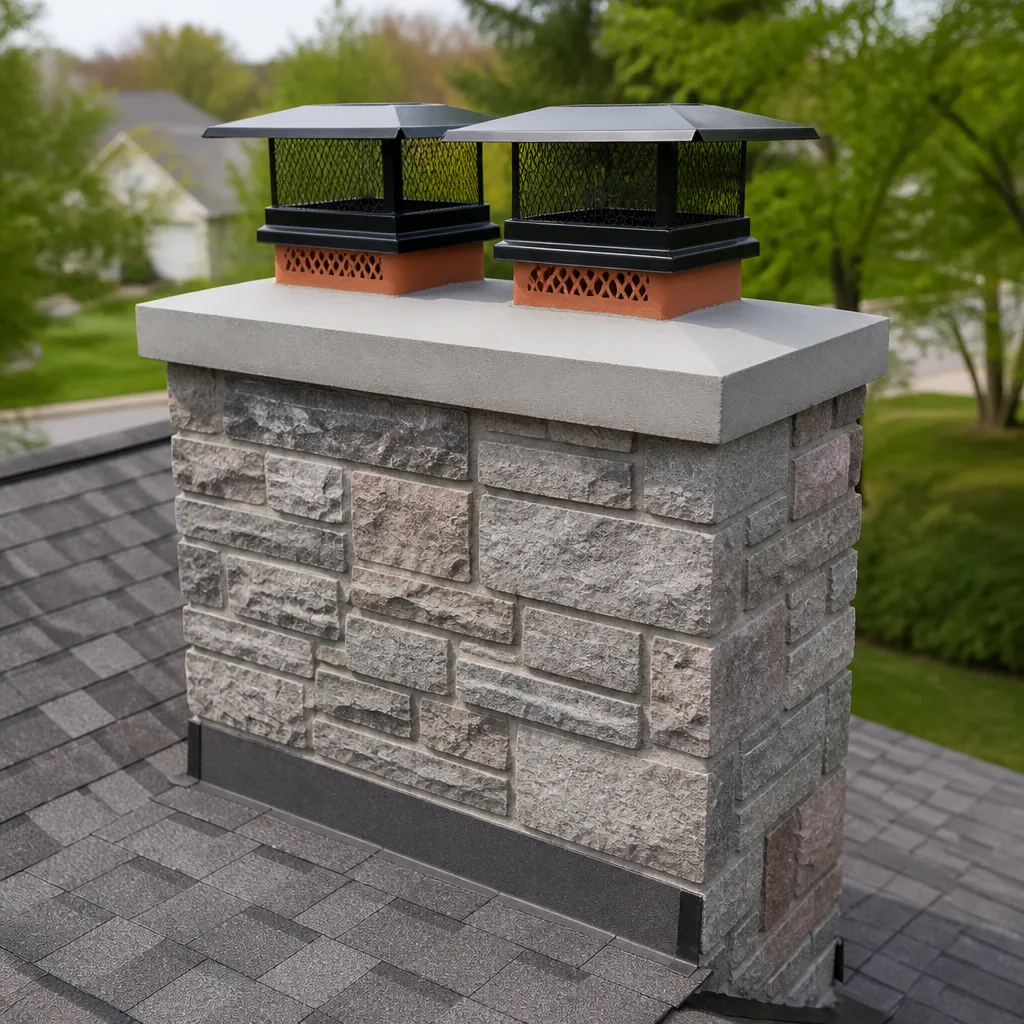 Caps & crowns
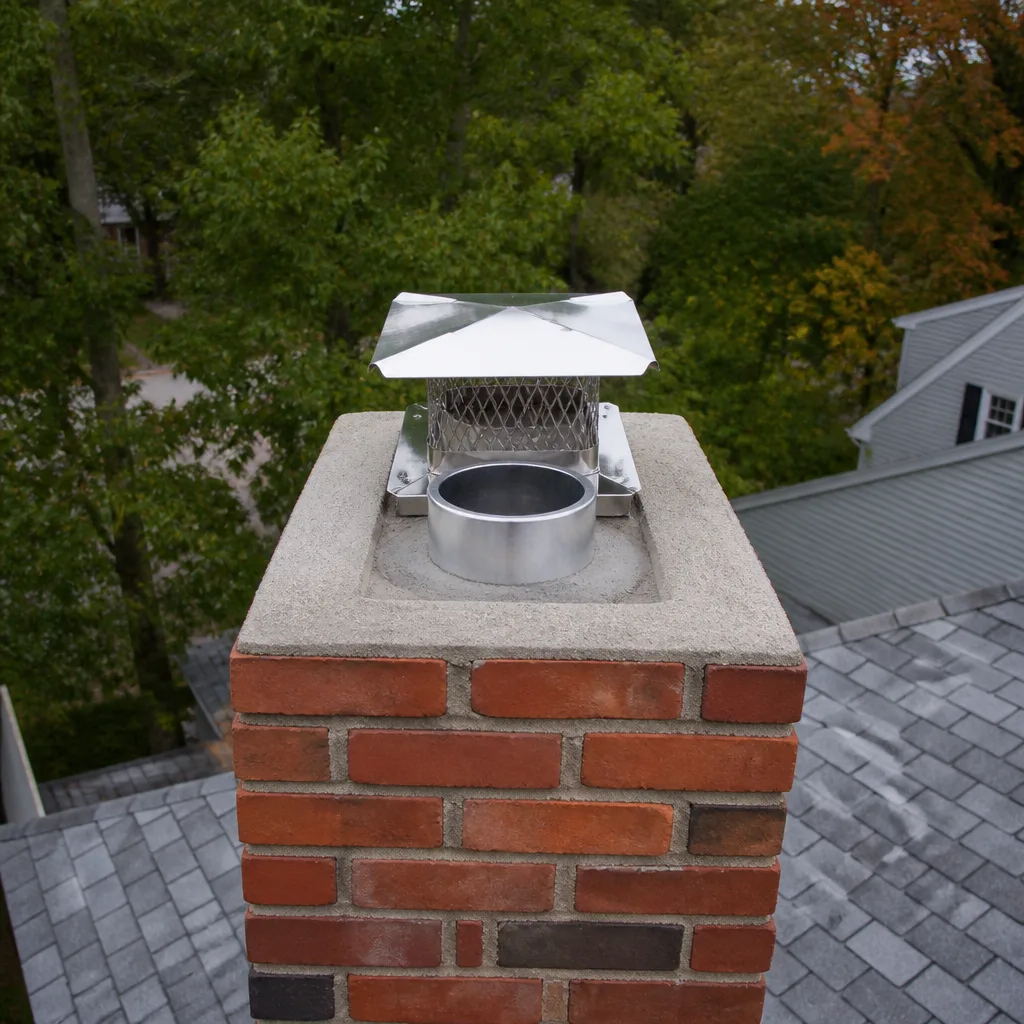 Flue relining
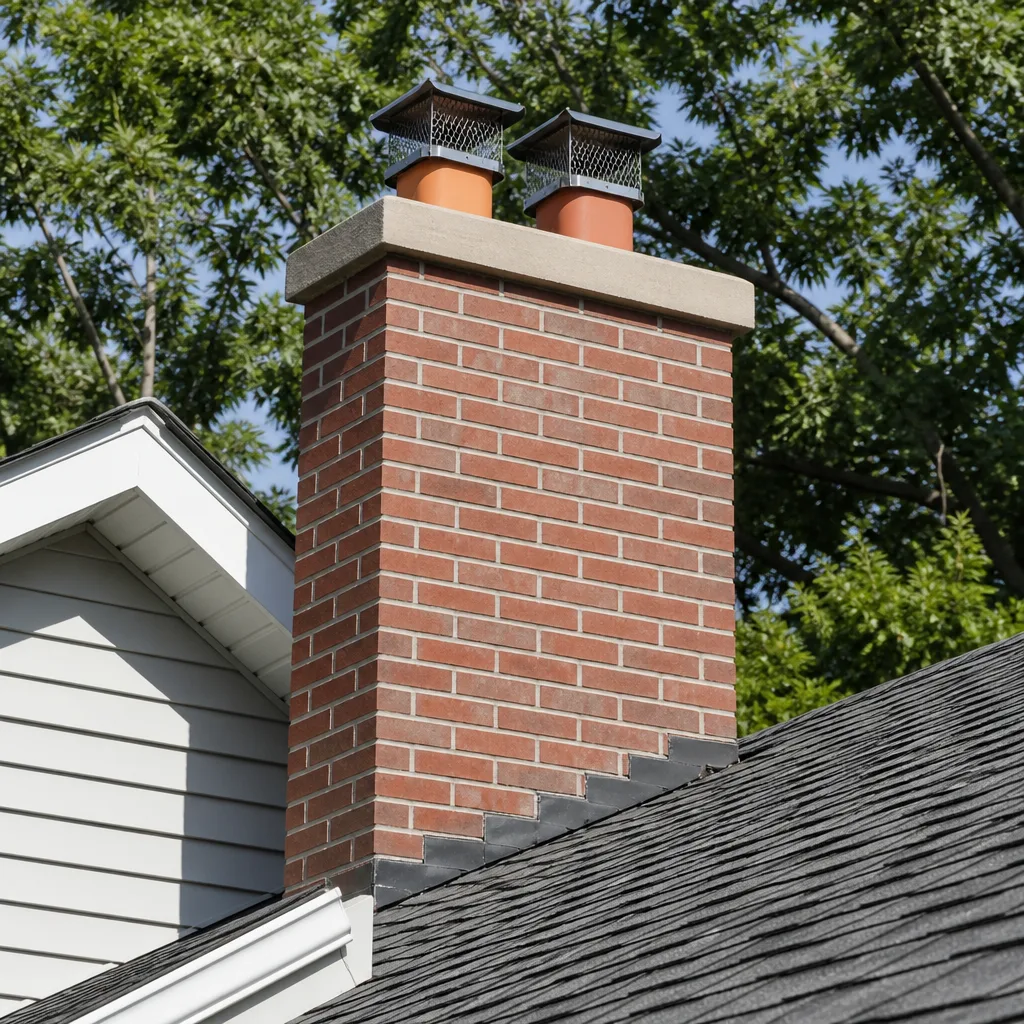 Masonry repair
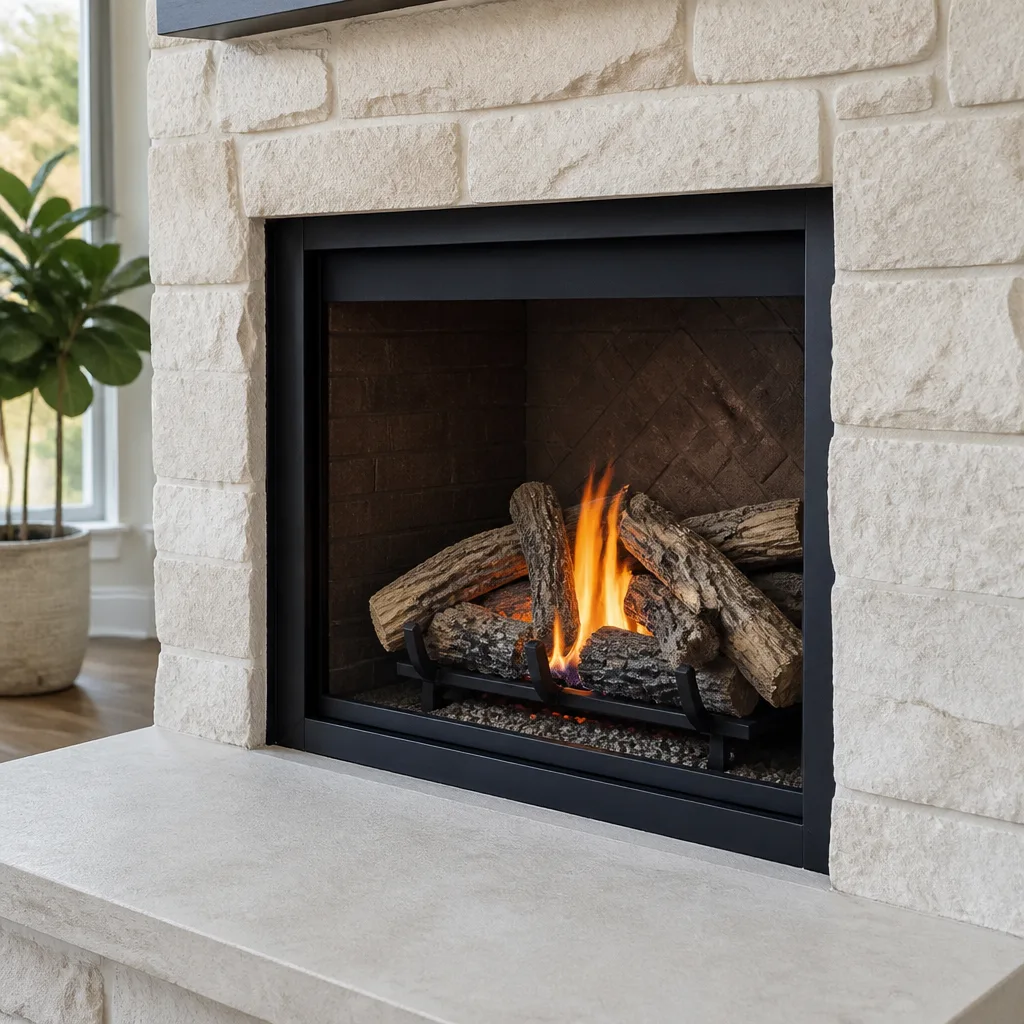 Gas fireplace service
Level 1 sweep and inspection to the NFPA 211 annual standard - flue, crown, cap, and flashing checked and photographed
Chimney sweep logs do not sweep chimneys. They loosen some creosote - which then falls where a brush and vacuum still have to collect it.
Chimney Cleaning Permits, Codes & Inspections in CA: What You Need to Know
Here’s the counterintuitive reality most Lancaster homeowners discover too late: the routine chimney sweep you schedule every few years never triggers a permit, but the repair that same sweep uncovers often does. A cracked flue liner, a rebuilt firebox, or a replaced chimney crown can all cross the line from maintenance into regulated construction work. Miss that distinction, and you’re not just risking a code violation. You’re creating an unpermitted improvement that must be disclosed when you sell your home. In Lancaster’s high-desert climate, where temperature swings stress masonry and wildfire season sharpens every fire-safety inspection, understanding where that line sits isn’t optional. This guide walks through the exact thresholds, the California and Los Angeles County codes that apply, and the documentation that protects you years down the road.
Styles & brands we work with
- Sweep & inspection
- Caps & crowns
- Flue relining
- Masonry repair
- Gas fireplace service
Quick Answer
Chimney cleaning (sweeping) does not require a permit anywhere in California. However, structural chimney repairs such as flue relining, firebox rebuilding, or significant masonry reconstruction often do require a building permit, depending on the project’s scope and your specific jurisdiction within Los Angeles County. The safest approach is to ask your contractor whether the recommended work constitutes repair or replacement, and request written documentation for anything that crosses into regulated territory. For more context, see our Chimney Sweep Troubleshooting: Common Problems and How to Fix Them.
Table of Contents
- The Line Between Cleaning and Repair: What Actually Triggers a Permit
- Los Angeles County Codes and Lancaster Jurisdiction: City vs. Unincorporated
- California Health and Safety Code Section 17920.3: What It Means for Chimneys
- NFPA 211 Inspection Levels: Which One Corresponds to Permit Work
- Documentation That Protects You During a Home Sale or Insurance Claim
- Common Mistakes to Avoid
- When to Call a Professional
- Frequently Asked Questions
- The Bottom Line
The Line Between Cleaning and Repair: What Actually Triggers a Permit
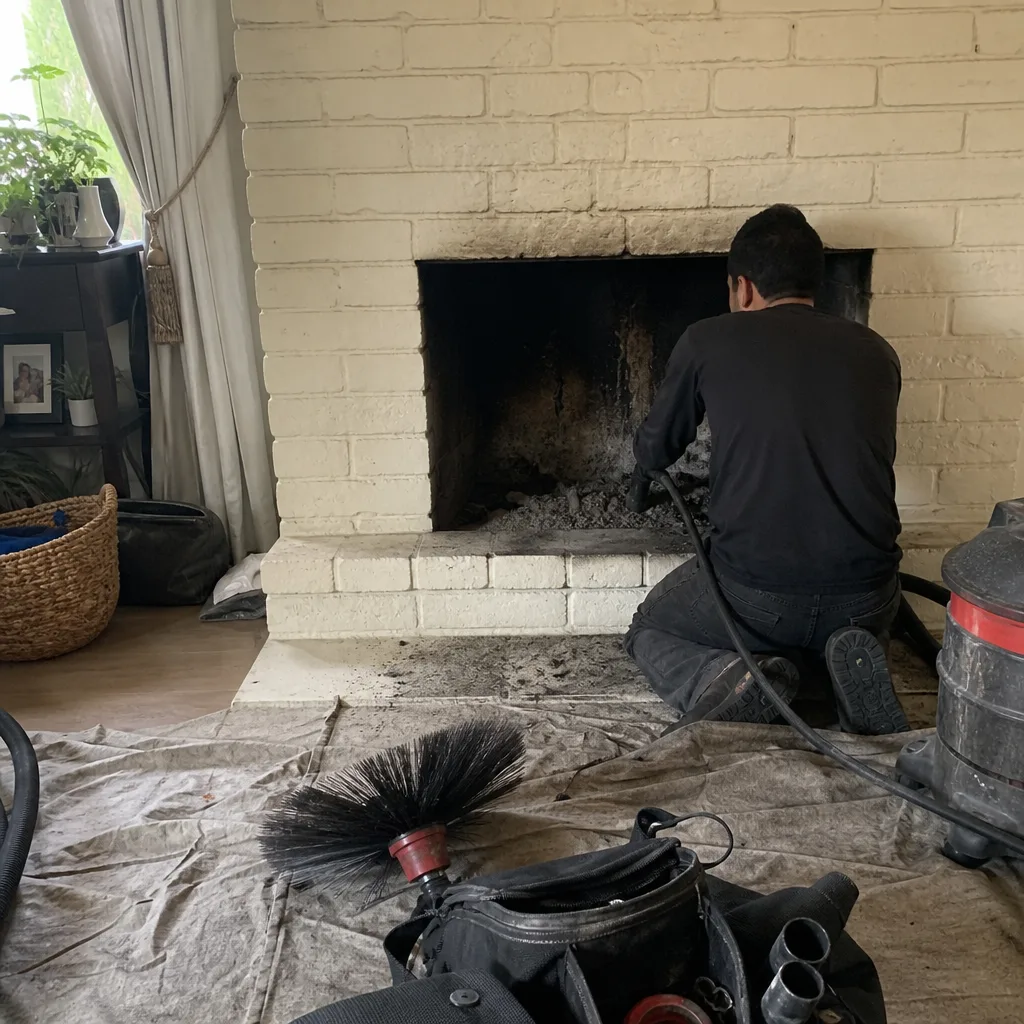
A standard chimney sweep, the kind that removes creosote, soot, and the occasional bird nest, falls squarely under routine maintenance in every California jurisdiction. No permit, no inspection, no paperwork beyond the receipt. That’s true in Lancaster city limits, in unincorporated Los Angeles County parcels, and everywhere in between. The California Building Code (CBC) classifies this as ordinary upkeep, the same category as replacing furnace filters or cleaning gutters.
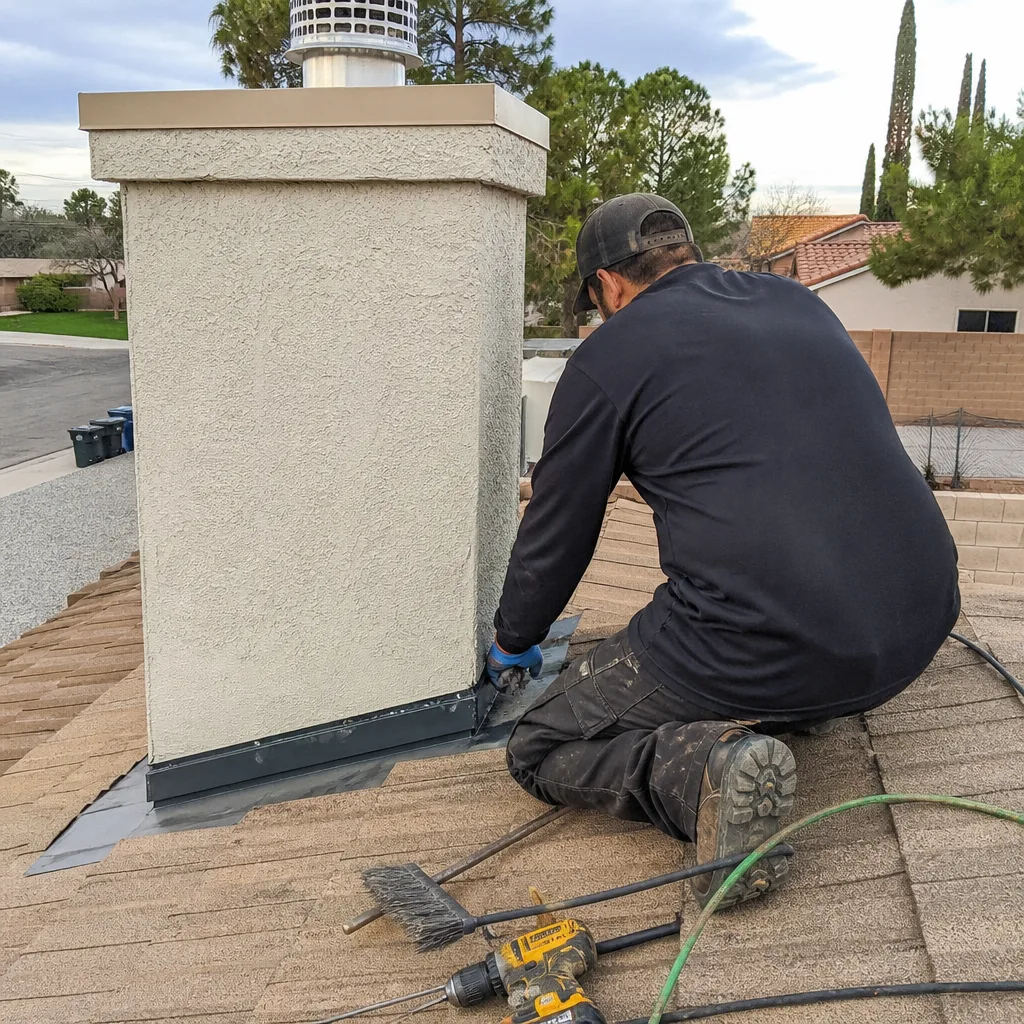
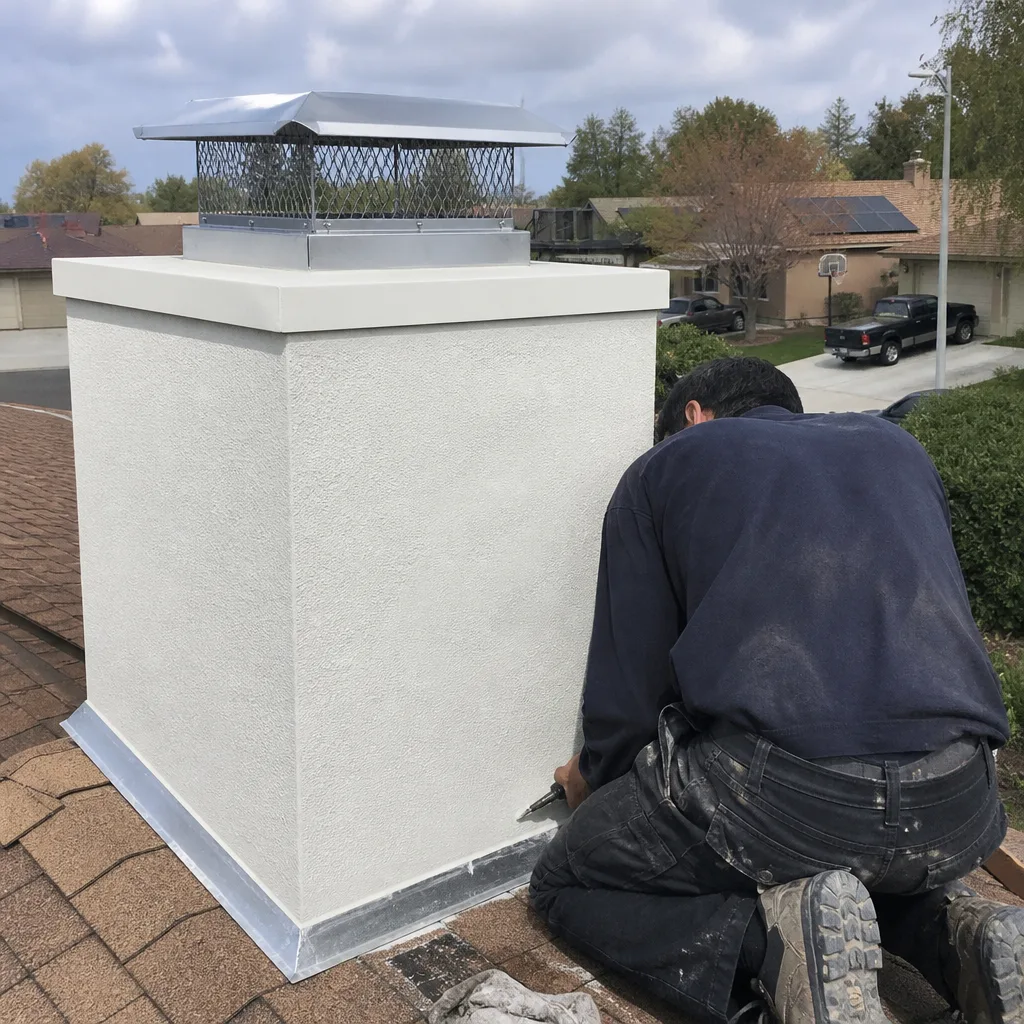
The trigger happens when the work changes the chimney’s structure, materials, or safety function. Replacing a damaged flue liner is not maintenance, it’s a material alteration of the fire-containment system. Rebuilding a firebox that has cracked beyond patching crosses the same line. Even replacing a deteriorated chimney crown, the concrete cap at the top, can fall into permit territory if the repair involves significant demolition and reconstruction rather than cosmetic resurfacing.
Here’s the practical breakdown we use when explaining this to Lancaster homeowners, drawn from our Chimney Sweep Maintenance Checklist for Lancaster Homeowners:
- No permit required: sweeping, creosote removal, minor crown sealing, damper lubrication, cap replacement (like-for-like), minor brick repointing on exterior masonry that doesn’t affect structural integrity.
- Permit typically required: flue relining (any method), firebox rebuild, smoke chamber parging or reconstruction, chimney teardown and rebuild, adding a new chimney where none existed, converting a wood-burning fireplace to gas (which also triggers mechanical permit requirements).
The gray area sits around projects like HeatShield liner restoration. This is a repair process that resurfaces the existing flue rather than replacing it. In many California jurisdictions, restoration falls under repair, not replacement, which can avoid the full permit pathway. But not always. Los Angeles County’s interpretation has evolved, and some inspectors now treat any flue-surface work as regulated because it modifies the fire-resistance assembly. What matters is not what the product brochure says, but what your local building department’s current policy is. A contractor working in Lancaster should know which way the County is currently leaning, because that answer has shifted before.
Los Angeles County Codes and Lancaster Jurisdiction: City vs. Unincorporated
Lancaster sits in a patchwork of jurisdictions that confuses even experienced contractors. The incorporated City of Lancaster enforces its own building codes through the City’s Building and Safety division. But drive ten minutes outside city limits and you’re in unincorporated Los Angeles County territory, where the County’s Department of Building and Safety has authority. The California Building Code applies in both, but the local amendments and enforcement priorities differ.
For an incorporated Lancaster address, chimney work falls under the City’s adoption of the CBC, typically the edition currently in effect at the time of permit application. The City’s inspectors focus on structural integrity, clearance to combustibles, and compliance with the mechanical code provisions that govern venting. The dry, windy conditions that define Lancaster’s climate get factored into enforcement: wind-driven embers from an improperly constructed chimney crown become a real fire-spread risk in ways that matter more here than in coastal communities.
For unincorporated parcels, Los Angeles County Building and Safety applies. The County has historically been more aggressive about requiring permits for fireplace and chimney alterations, partly because wildland-urban interface concerns push stricter enforcement in areas like Antelope Valley communities outside city limits. County inspectors in this region pay close attention to spark arrestor requirements – a screen or cap designed to trap embers – because high winds are a recognized fire hazard.
What homeowners often don’t realize is that jurisdiction can affect not just whether a permit is needed, but what the inspection process looks like. County inspections for relining projects generally require exposing the work at specific stages, meaning the contractor can’t simply finish and call for a sign-off at the end. The paperwork burden, timeline, and cost vary. A chimney company doing regular work in the Lancaster area will know which building department handles your parcel and can check the current interpretation before quoting work.
California Health and Safety Code Section 17920.3: What It Means for Chimneys
This section of California law rarely comes up in casual conversation, but it sits at the center of how chimney conditions affect real estate transactions. Section 17920.3 defines what constitutes a “substandard building” under state law. Among the conditions listed: any building where a chimney, flue, or vent is defective enough to create a fire hazard or allow dangerous gases to enter living spaces.
The practical effect for a Lancaster homeowner is direct. If a home inspection reveals a cracked flue liner, a deteriorated mortar joint that could leak combustion gases, or a chimney leaning visibly from inadequate footing, the property can be flagged as substandard. That’s not a minor note on a disclosure form. A substandard building designation triggers mandatory disclosure requirements, can block financing on certain loan types, and puts the seller in a position of having to address the defect before closing.
Here’s the sequence we’ve seen play out repeatedly in Lancaster transactions:
- A buyer’s home inspector notes chimney staining, spalling brick, or a damper that won’t fully close.
- The inspector recommends a Level 2 chimney inspection, which uses camera equipment to evaluate the flue interior.
- The inspection finds a cracked flue liner or damaged smoke chamber that falls under Section 17920.3’s substandard-building definition.
- The seller is now negotiating a repair credit, a price reduction, or scrambling to fix the issue on a tight closing timeline.
- If repairs were previously done without permits, the seller faces a second problem: an unpermitted improvement disclosure that must now be explained to a nervous buyer.
This is why documentation matters as much as workmanship. A chimney repair done correctly but without a permit creates a different kind of liability than one done correctly with the paperwork in order. Section 17920.3 doesn’t get resolved by arguing the work looks fine. It gets resolved by evidence that the condition no longer exists and that any regulated repairs passed inspection.
NFPA 211 Inspection Levels: Which One Corresponds to Permit Work
NFPA 211 is the national standard for chimneys, fireplaces, and venting systems, adopted by reference into California law. It establishes three inspection levels, each designed for a different situation. Understanding which level applies to your circumstances helps you anticipate whether a permit might follow.
Level 1 inspection covers the readily accessible portions of the chimney: the exterior, the firebox, the damper, and the visible flue interior from the top down. This is the standard inspection performed during a routine sweep. A Level 1 inspection rarely triggers permit work because it’s evaluating conditions, not anticipating structural changes. If the chimney passes, you get a sweep and go about your life. If it doesn’t, the recommendation moves to Level 2.
Level 2 inspection is required when you’re changing the fuel type, relining the flue, selling the home, or after a chimney fire or seismic event. This inspection uses internal camera equipment to evaluate the entire flue surface, including concealed areas you can’t see from either end. If a Level 2 inspection reveals flue damage, the repair recommendation often falls within permit territory. This is the inspection level most associated with discovering the hidden problems that lead to relining, restoration, or rebuild work. In Lancaster, where freeze-thaw cycling and summer heat create continuous thermal stress on masonry, Level 2 inspections routinely reveal conditions that surprise homeowners who’ve used their fireplace for years without incident. Learn what to watch for in our Chimney Cleaning Warning Signs: A Lancaster Homeowner’s Reference Guide.
Level 3 inspection involves opening or removing portions of the chimney structure to access concealed areas. This only happens when a Level 2 inspection indicates a serious hazard that can’t be evaluated without destructive access. If a Level 3 inspection is recommended, you are almost certainly looking at permitted repair work, because the chimney structure itself is being modified to investigate or remediate a problem.
The pattern for Lancaster homeowners is predictable: what starts as a $200 sweep becomes a Level 2 camera inspection, which reveals liner damage, which converts your maintenance visit into a repair project that may require permits. Knowing this progression in advance removes the surprise and lets you budget realistically.
Documentation That Protects You During a Home Sale or Insurance Claim
The homeowners who get caught in permit problems during a sale are rarely the ones who did bad work. They’re the ones who did good work and kept no record. Documentation is the difference between a clean transaction and a disclosure nightmare. Here’s what to request and retain from any contractor doing chimney work on your Lancaster property.
Itemized scope of work. If the chimney sweep recommends anything beyond cleaning, get the recommendation in writing, with specific wording that distinguishes repair from replacement. If the work triggers a permit, the scope should reference the specific code section driving that determination.
Permit records and final inspection sign-off. For any repair that requires a permit, keep the permit number, the inspection date, and the final approval. In both City of Lancaster and Los Angeles County systems, permit records are searchable online. If you sell your home and the buyer’s agent asks about unpermitted work, you want to be able to point to a permit number, not a vague memory.
Product and material documentation. When we perform a relining job, we provide the homeowner with documentation of the system installed. That includes the brand – we work with professional-grade lines like DuraFlex and HeatShield because their warranty documentation is detailed and transferable. If your flue was restored with HeatShield rather than replaced, the manufacturer’s documentation establishes that the repair method meets industry standards, which matters during a resale inspection negotiation.
Photographs before and after. Any reputable chimney company working in Lancaster documents its work with photos. These images serve multiple purposes: they show the insurance adjuster the condition before the incident if a claim arises, they demonstrate to a buyer’s inspector that the work was actually performed, and they create a timeline if questions emerge years later. A contractor who won’t document is a contractor to avoid.
The goal here isn’t bureaucratic compliance for its own sake. It’s that the unpermitted-improvement conversation goes away entirely when the documentation is in place. You’re not hoping an inspector won’t notice. You have the paperwork that answers the question before it’s asked.
Common Mistakes to Avoid
- Assuming all chimney work is maintenance. Sweeping is maintenance. Relining, rebuilding, and structural repair are regulated differently. Ask the direct question: “Does this work require a permit in my jurisdiction?” before any repair starts.
- Skipping the permit to save time. In Lancaster’s real estate market, unpermitted chimney work creates a disclosure obligation that can cost more at sale than the permit would have cost upfront. Buyers in this market are increasingly sophisticated about checking permit records.
- Accepting “we don’t need a permit” without confirmation. If a contractor says no permit is needed for a relining project in Lancaster, ask them to confirm with the building department. The interpretation of the code varies, and the County has shifted its enforcement stance before.
- Throwing away contractor documentation. The permit paperwork, the warranty cards, the installation documentation from brands like Copperfield or Gelco. These documents are your legal safety net years later. Keep them with your home records, not in a drawer that gets purged.
- Confusing inspection levels with severity levels. A Level 2 inspection doesn’t mean your chimney is more dangerous than a Level 1. It means the inspection method is more comprehensive. Understanding this prevents both needless panic and dangerous complacency.
- Treating chimney crowns and caps as cosmetic. In Lancaster’s wind conditions, these components prevent water intrusion and ember escape. Damage to either can cascade into structural problems that cross the permit threshold. Don’t defer crown repairs because they look minor.
- Relying on memory instead of documentation. “I remember the contractor said it was fine” is not a defensible position during an insurance investigation. Written records, photos, and permit numbers are. If you don’t have them, request them before the contractor becomes unreachable.
When to Call a Professional
If your home inspector flagged a chimney condition during a purchase, or you’ve noticed staining around the firebox, a damper that won’t close, or masonry that looks displaced, the time to call is before the problem compounds. A Level 2 camera inspection tells you what’s actually happening inside the flue, which determines whether you’re dealing with a sweep issue or a repair issue, and whether that repair triggers permit requirements. For work that does require permits, you want a contractor who does this work in Lancaster regularly, knows which building department has jurisdiction over your parcel, and can prepare the documentation you’ll need when you eventually sell. Chimney Repair in Lancaster is the core service for addressing flue, firebox, and crown problems with professional-grade materials like DuraFlex, HeatShield, Gelco, Olympia Chimney, Famco, and Copperfield. Chimney Cleaning Lancaster home offers free estimates in Lancaster. Call (877) 376-0565 to schedule an inspection before your next cold season.
Frequently Asked Questions
No. A standard chimney sweep that removes creosote, soot, and debris is classified as routine maintenance under the California Building Code and requires no permit in any California jurisdiction, including Lancaster. A permit only becomes relevant if the sweep uncovers damage that requires structural repair, relining, or rebuilding.
Chimney cleaning itself carries no permit fee because no permit is required. If your chimney needs permitted repair work, the building permit fees in Lancaster and Los Angeles County vary based on the project’s valuation and scope. A typical residential flue relining project might carry permit fees in the several-hundred-dollar range, but the exact amount depends on your jurisdiction and project details. Call (877) 376-0565 for an estimate that includes any permit costs specific to your address.
Two primary references govern chimney safety. The California Building Code, specifically the chapters covering masonry chimneys and fireplace construction, establishes construction and repair standards. California Health and Safety Code Section 17920.3 defines when a defective chimney rises to the level of a substandard building condition, which has direct consequences for real estate transactions in Lancaster and throughout the state.
NFPA 211 is a national standard developed by the National Fire Protection Association, not a law by itself. However, California adopts it by reference into the state building code, which gives it legal force. The inspection levels defined in NFPA 211 – Level 1, Level 2, and Level 3 – govern when specific inspection methods are required and are enforced by local building departments in Lancaster.
In most cases, yes. Flue relining is considered a material alteration of the chimney’s fire-containment system, which makes it a regulated repair rather than maintenance. The specific permit requirement depends on whether your Lancaster-area property falls under the City of Lancaster or unincorporated Los Angeles County jurisdiction, and current interpretations vary. A contractor who regularly works in your specific area should confirm before work begins.
It can. California law requires sellers to disclose unpermitted improvements, and a buyer’s home inspector may flag chimney work that doesn’t appear in building department records. This creates negotiation leverage for the buyer and potential liability for the seller. Permitted work with final inspection sign-off eliminates this issue entirely. If you’re uncertain whether past work was permitted, call (877) 376-0565 and we can help you determine the status.
The NFPA 211 standard recommends an annual inspection for chimneys serving regularly used fireplaces, with cleaning performed when creosote accumulation reaches 1/8 inch. Lancaster’s dry climate and high winds create specific concerns around mortar deterioration and spark arrestor function, so an annual check makes sense for most wood-burning households. Households that use their fireplace only occasionally might extend to every other year. The full Chimney Sweep in Lancaster service includes the inspection as part of the visit.
The Bottom Line
Chimney cleaning in Lancaster doesn’t need a permit, but the repairs that often follow a cleaning might. The distinction between maintenance and regulated work is defined by California Building Code, enforced differently between City of Lancaster and Los Angeles County jurisdictions, and has real consequences under Health and Safety Code Section 17920.3. Homeowners who understand the trigger points – flue relining, firebox rebuilding, structural masonry work – can ask the right questions before work begins. Documentation, permits, and inspection sign-offs protect you at resale and during insurance claims. When in doubt, call a specialist who works in your specific jurisdiction. Dryer Vent Cleaning in Lancaster follows similar maintenance-versus-repair logic, and the same documentation principles apply. For any chimney question, call (877) 376-0565 for a free estimate.
Written by the team at Chimney Cleaning Lancaster, serving Lancaster since 2013. Explore more guides & resources.
See the difference
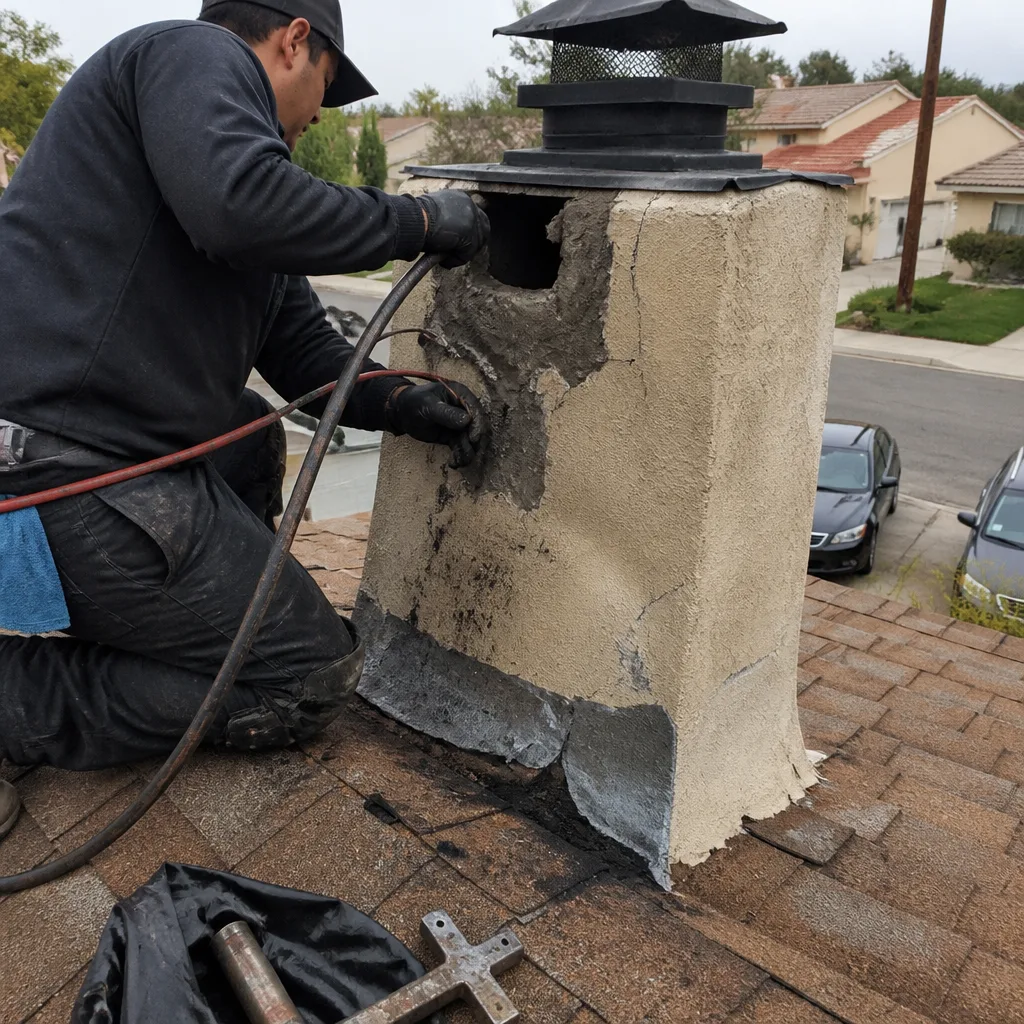 Before
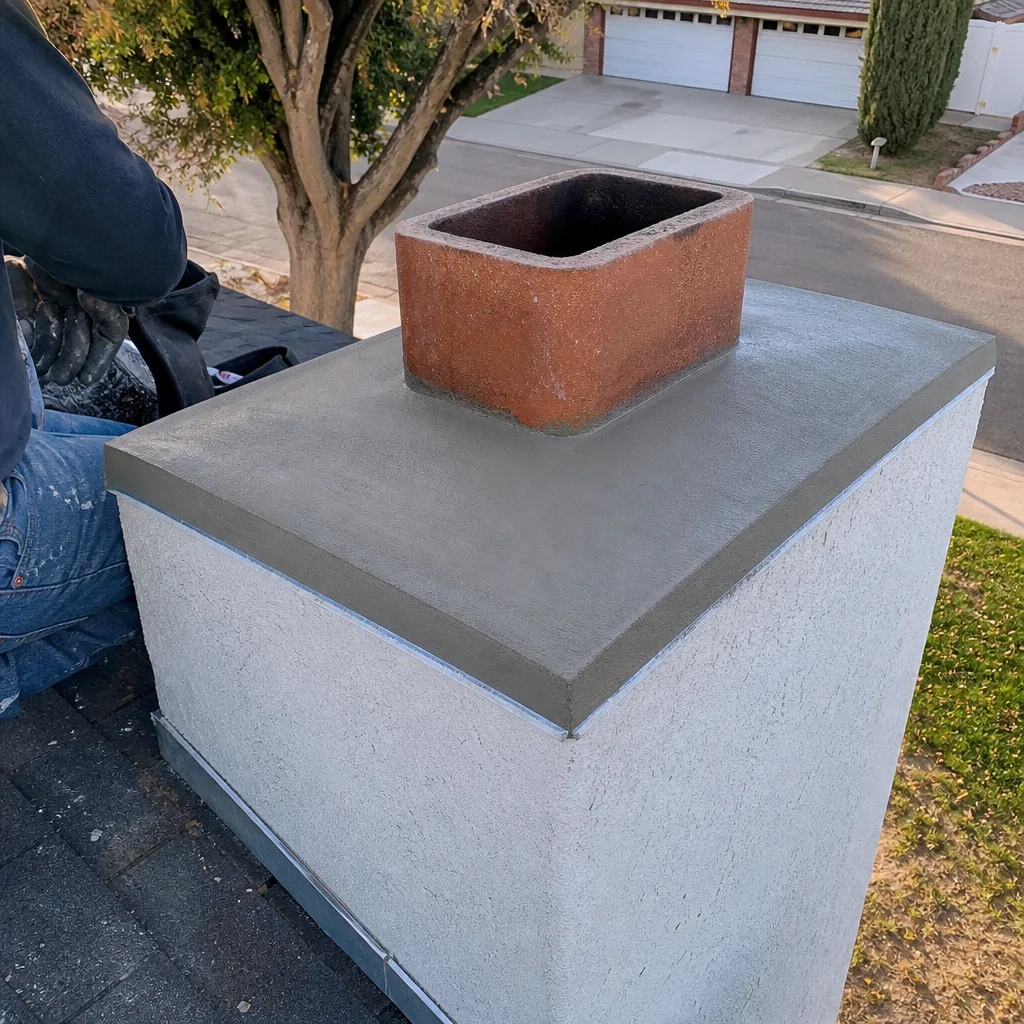 After
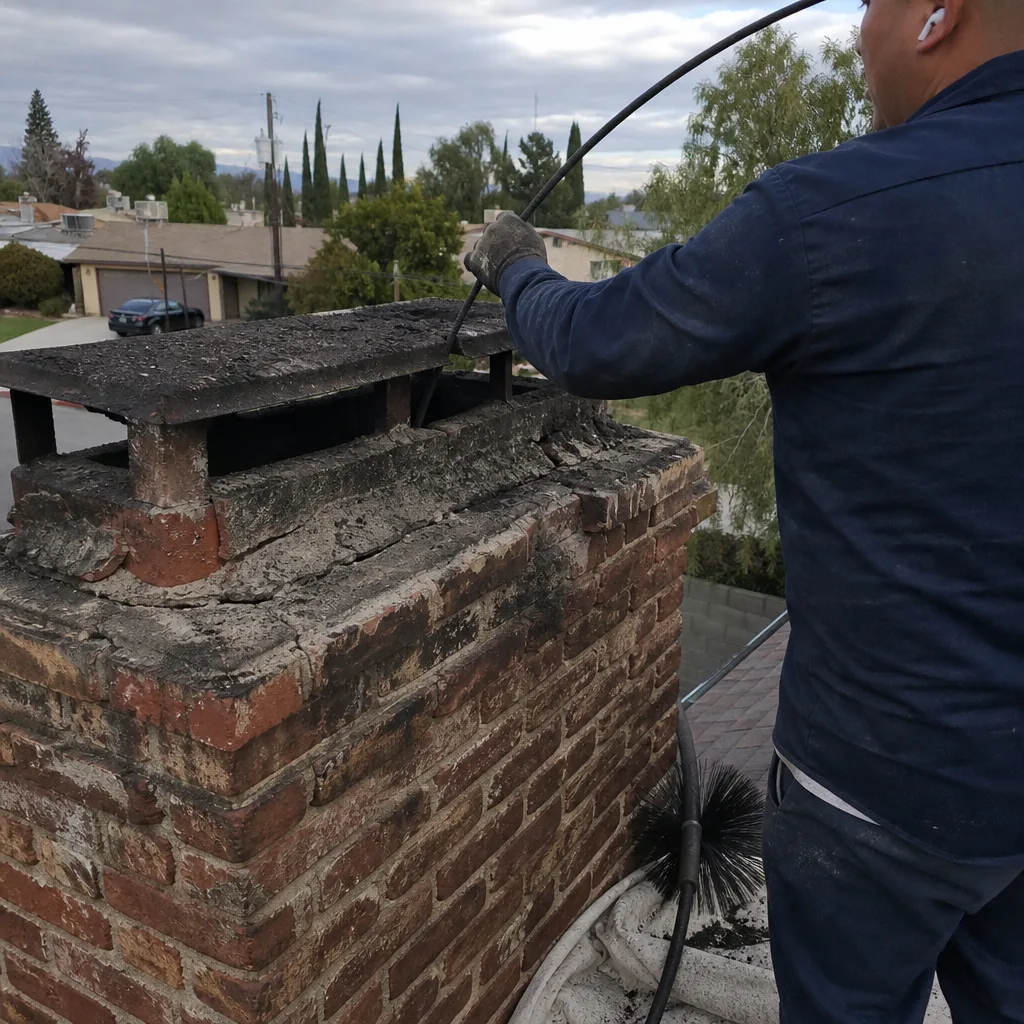 Before
 After
 Before
 After