
Last updated November 2, 2026
 Sweep & inspection
 Caps & crowns
 Flue relining
 Masonry repair
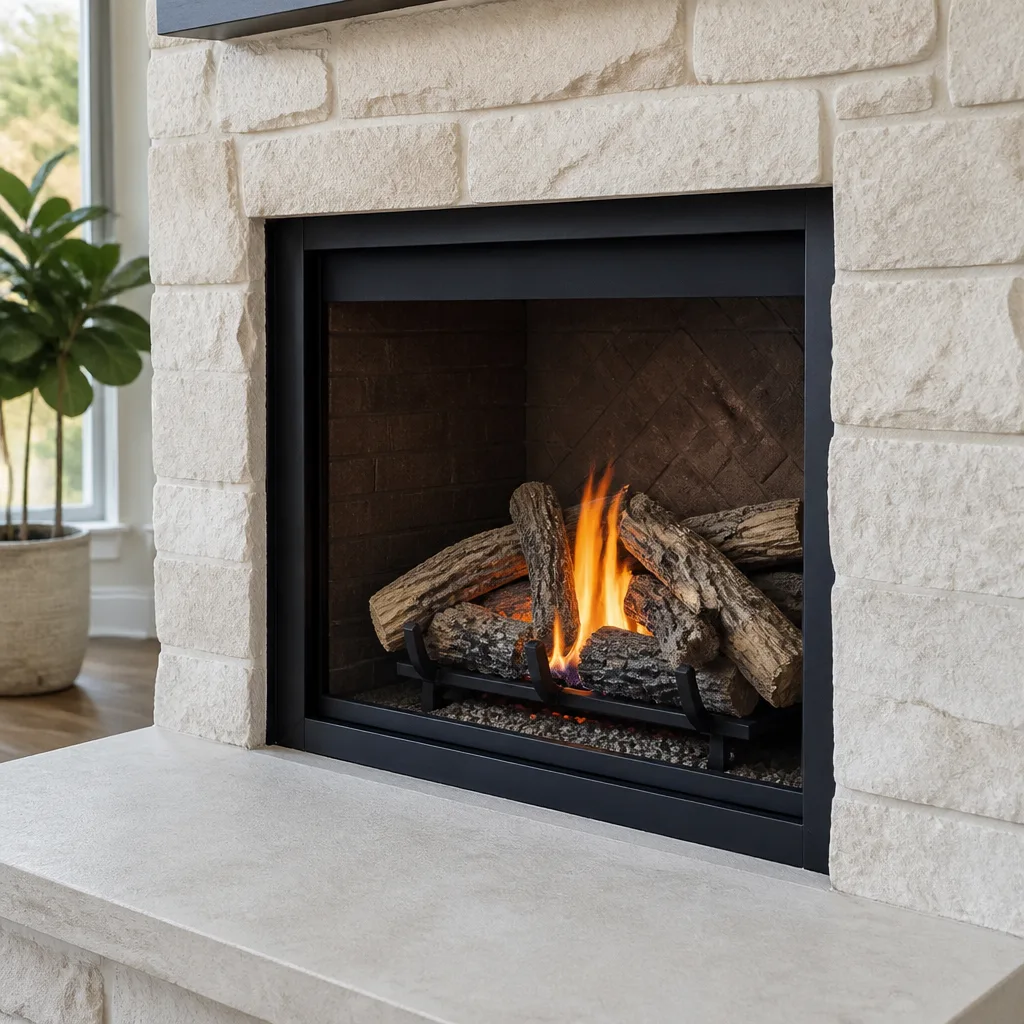 Gas fireplace service
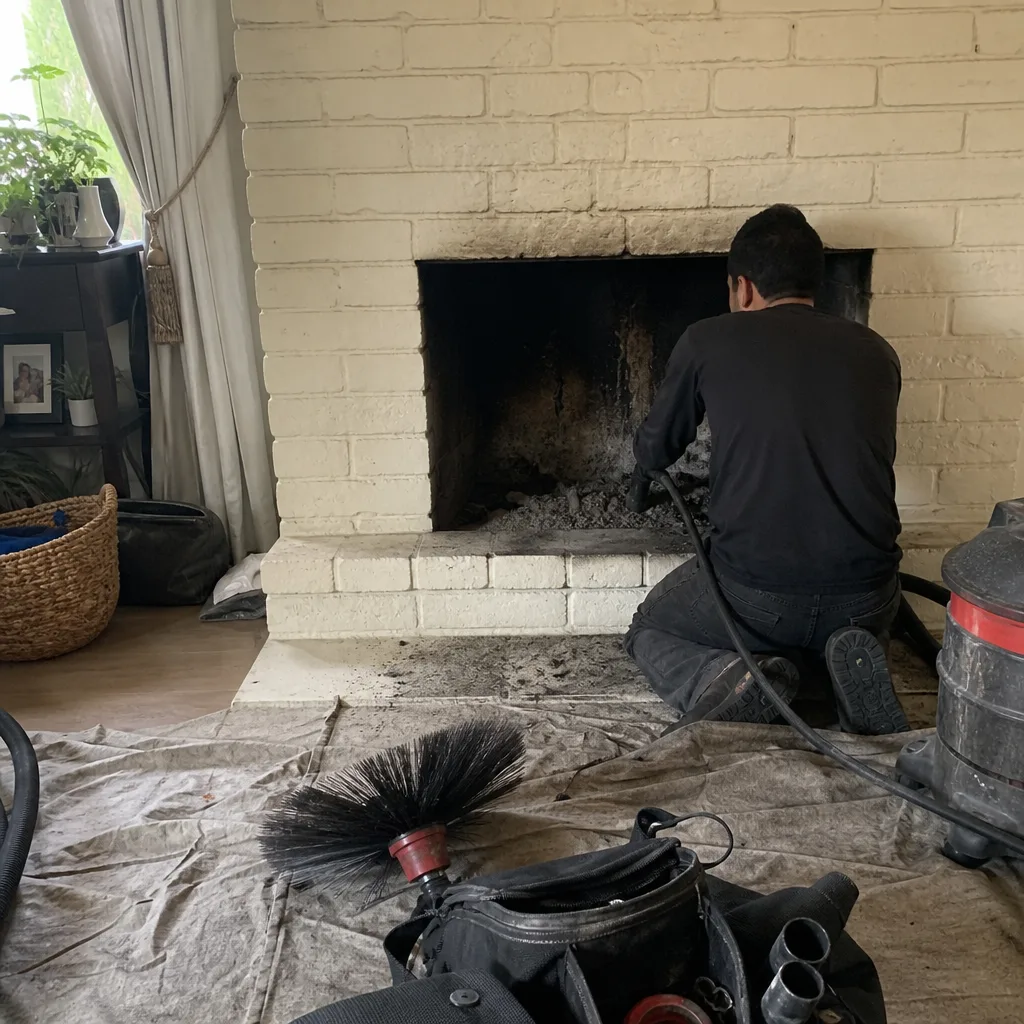
Level 1 sweep and inspection to the NFPA 211 annual standard - flue, crown, cap, and flashing checked and photographed
Chimney sweep logs do not sweep chimneys. They loosen some creosote - which then falls where a brush and vacuum still have to collect it.
Chimney Sweep Maintenance Checklist for Lancaster Homeowners
The biggest maintenance mistake Lancaster homeowners make isn’t skipping the annual sweep. It’s doing it in December, right before peak burn season, when the sweep uncovers a cracked flue tile or a damaged liner and there’s no time to fix it before the cold sets in. By then, you’re either burning with a compromised chimney or paying a premium for emergency work. This guide gives you a season-by-season maintenance checklist built around the Antelope Valley’s actual conditions: triple-digit summer heat, relentless dust, cold desert nights, and a fire season that dictates when you should and shouldn’t burn. You’ll learn what to do each season, what you can safely check yourself, and what genuinely needs a professional’s eye.
Styles & brands we work with
- Sweep & inspection
- Caps & crowns
- Flue relining
- Masonry repair
- Gas fireplace service
Quick Answer
A chimney maintenance checklist for Lancaster homeowners should be organized around four seasonal checkpoints: a pre-season inspection and sweep in September or October (before burn season starts), monthly mid-season visual checks from November through March, a post-season inspection in April focused on moisture and animal intrusion, and parallel dryer vent checks every three to six months. The annual professional our Chimney Sweep services should happen in early fall, not late winter, so any repair work uncovered by the sweep can be completed before you actually need the fireplace.
Table of Contents
- Why the Desert Climate Changes Everything
- The Lancaster Maintenance Calendar: Month by Month
- September – October: Pre-Season Checklist
- November – March: Mid-Season Visual Checks You Can Do Yourself
- April – May: Post-Season Checklist
- How to Document Your Chimney Over Time
- Dryer Vent Maintenance: A Parallel Schedule
- Common Mistakes to Avoid
- When to Call a Professional
- Frequently Asked Questions
- The Bottom Line
Why the Desert Climate Changes Everything
A chimney in coastal San Diego has different problems than a chimney in Lancaster. We see this daily. The Antelope Valley’s temperature swings, dust patterns, and seasonal winds create a specific set of conditions that generic chimney advice never addresses. Here’s what actually happens to chimneys in this climate.
First, temperature swings are brutal on masonry. Lancaster can hit 100°F in the afternoon and drop into the 50s at night during summer. That’s a 40 to 50-degree daily cycle. Brick, mortar, and clay flue tiles expand and contract with every cycle. Over a decade, that’s 3,650 expansion-contraction cycles working on your mortar joints. The mortar eventually crumbles, and once water finds a crack, freeze-thaw cycles in winter (yes, Lancaster does get below freezing at night) widen it fast. This is why older Lancaster chimneys often show spalling brick faces and deteriorating mortar crowns, even if the fireplace still draws fine.
Second, dust. Lancaster gets serious wind. The dry lakebeds and open desert send fine alkaline dust airborne for months at a time. That dust settles inside your chimney and on your chimney cap screens. Mixed with the natural creosote from burning wood, it forms a heavier, more abrasive residue than the sticky creosote you’d see in a humid climate. During the summer, when the fireplace sits unused, dust accumulates in the smoke shelf, the damper, and inside the flue. Then in fall, the first fire of the season burns that accumulated dust and debris, which can produce a noticeable smell and, in some cases, a small puff of smoke back into the room. A pre-season sweep removes it before it becomes a problem.
Third, the dry season means dry creosote. In humid climates, creosote is often sticky and tar-like. In Lancaster’s arid conditions, creosote tends to dry out and become flaky and brittle. Dry creosote is actually more likely to ignite than wet creosote. Flakes separate from the flue wall and can ignite mid-flight, which is how chimney fires start in the Antelope Valley. This is one reason why the annual sweep in Lancaster is not just about air quality; it’s about removing a fuel source that is more combustible in our specific climate.
Fourth, birds and rodents behave differently here. The Antelope Valley has large populations of house sparrows, starlings, and ground squirrels. During the hot months, these animals seek cooler, shaded spaces, which makes the inside of an uncapped or poorly capped chimney attractive from April through September. Nesting material plus accumulated dust plus dry creosote is a fire hazard trifecta that builds up during exactly the months when you’re not thinking about your fireplace at all.
The Lancaster Maintenance Calendar: Month by Month
Here’s the complete maintenance calendar for a Lancaster chimney, organized by what actually needs to happen and when. This is the calendar we use with our own customers, and it’s built on years of seeing what fails and when.
- September – October: Pre-season. Professional sweep and inspection. Repair work is scheduled and completed before burn season starts. This is the single most important window of the year.
- November: First burn check. First small fire with a visual check for smoke spillage, unusual smells, or poor draft. Confirm the damper opens and closes fully.
- December: Mid-season visual check. Check for creosote buildup on visible surfaces, verify the cap screens are still intact, and look for any cracks in the firebox visible from inside the house.
- January: Mid-season visual check. Same as December, plus watch for water stains on the ceiling near the chimney chase (a sign of a leaking flashing or crown).
- February: Mid-season visual check. Check the chimney exterior for signs of mortar deterioration. Lancaster winds in February and March can hit 40+ mph and will expose weak mortar joints fast.
- March: Late-season assessment. Evaluate whether the chimney has accumulated enough creosote to warrant a second sweep if you burn heavily. If you burn three or more fires per week, you may need one.
- April: Post-season inspection. Professional or homeowner-level inspection focused on moisture intrusion, animal nesting, and liner condition. This is when we typically find damage from winter storms.
- May: Cap and crown check. Verify the chimney cap is secure, the crown has no new cracks, and the flashing is intact. Early summer is the right time to reseal a crown before the peak heat.
- June – August: Off-season monitoring. Minimal active maintenance, but watch for wildlife trying to nest. This is also the right time to schedule any repair work you’ve been putting off, since technicians have more scheduling flexibility.
This calendar assumes standard seasonal use of a wood-burning fireplace from roughly November through March. If you use a gas insert, you can skip the creosote-specific items but should still perform the visual checks and the annual inspection.
September – October: Pre-Season Checklist
This is the window that matters most. If you only do one thing from this entire guide, do this: book your sweep for late September or early October. For Chimney Sweep Troubleshooting: Common Problems and How to Fix Them, see our detailed guide. Here’s why the timing is critical. Lancaster’s burn season effectively starts in November when nighttime temperatures drop into the 30s and 40s. If your sweep happens in September, any problem the sweep uncovers (a cracked flue tile, a deteriorating damper, a damaged cap, a liner that needs repair) can be fixed in October before you actually need the heat. If you wait until December, you’re sitting in a cold house with an unusable fireplace for weeks, or you’re burning with a known problem, or you’re rushing to get a repair done fast. None of those are good options.
Here’s the complete pre-season checklist for early fall in Lancaster:
- Schedule a professional sweep. This should happen once per year at minimum, every fall, regardless of how little you used the fireplace last winter. The sweep removes creosote, dust, and any debris that accumulated over the summer.
- Confirm the sweep includes a camera inspection. A standard sweep alone does not reveal liner damage. You want a sweep that includes a camera inspection of the flue interior. Without it, you’re flying blind on liner condition. (More on this in the documentation section below.)
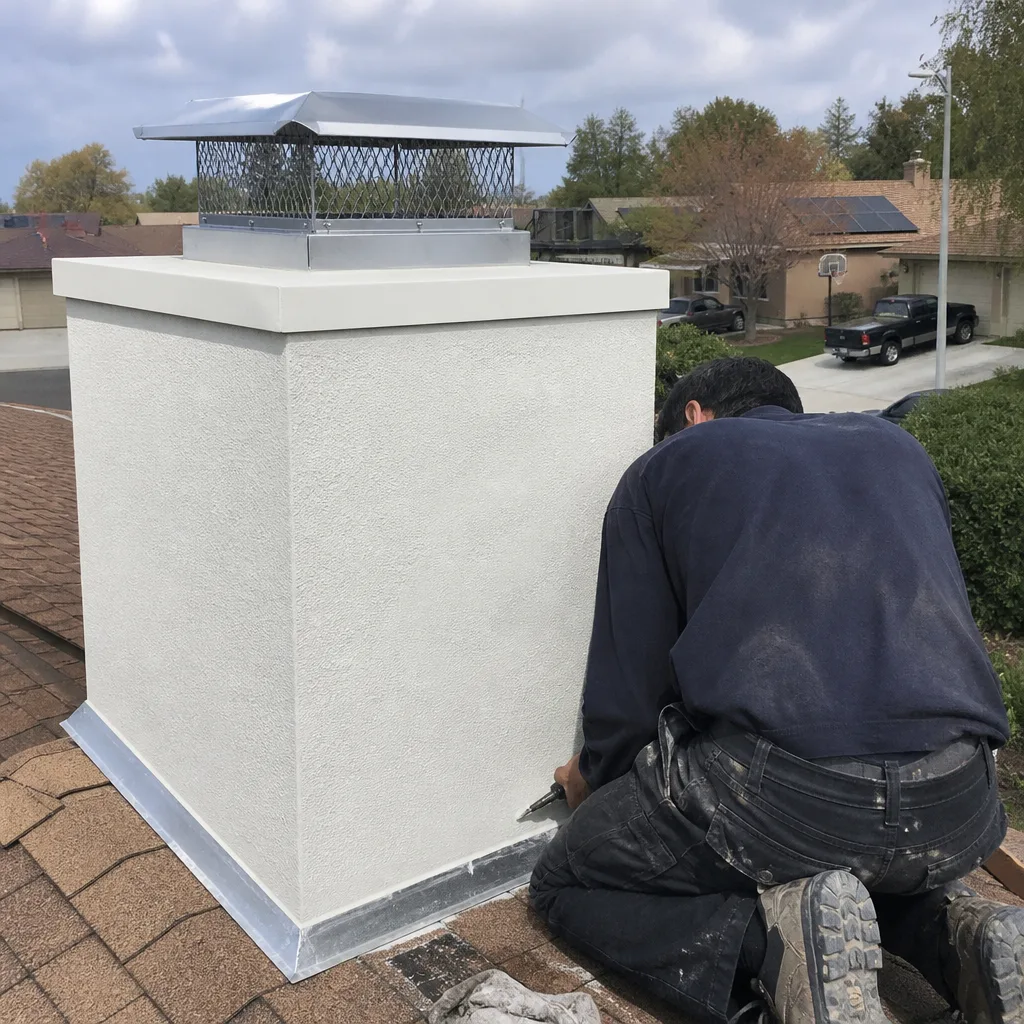
- Check the chimney cap. Is it present? Is it attached securely? Is the screen mesh intact? Lancaster’s spring winds rip cheap caps off and tear screen mesh. If the cap is missing, you’ve had eight months of birds, squirrels, dust, and rain entering the flue. Replace it before burn season.
- Check the damper. Open and close the damper. Does it move freely? Does it seal fully? A warped or stuck damper is a draft problem waiting to happen, and it also lets warm air escape all winter.
- Remove visible debris from the smoke shelf. If you can safely access it, clear out any visible twigs, leaves, or nesting material at the base of the chimney. Do this before the sweep comes so the technician can give a clear reading on the flue.
- Look for moisture stains. Walk around the outside of your chimney and look for dark stains, white efflorescence (a powdery salt deposit), or moss. These are all signs of water getting into the masonry, and water damage compounds through the freeze-thaw cycles of winter.
- Schedule repair work you already know about. If you’ve been putting off a cap replacement, a crown reseal, or liner repair from last season, book it in September or October. Technicians are busy from November through February, but fall scheduling is usually more flexible.
Here’s the thing we tell every Lancaster homeowner during fall scheduling calls: a sweep is cheap insurance, but a sweep plus a repair is not. The repair is where the cost lives. Doing the sweep early gives you the option to repair before you’re cold. Doing it late makes the repair an emergency.
November – March: Mid-Season Visual Checks You Can Do Yourself
You don’t need to be a chimney technician to spot early warning signs during burn season. What you do need is to know what’s normal and what’s not. Here’s a monthly visual checklist that any homeowner can safely perform, plus the things you should absolutely not attempt on your own.
What to Check Each Month During Burn Season
- Smoke behavior. When the fire is burning, is smoke rising steadily up the flue, or is it spilling back into the room? Some spillage on a cold start is normal as the flue warms up, but persistent smoke spillage means poor draft, which means a blockage or flue sizing problem. Do not ignore this.
- Creosote buildup on visible surfaces. Open the damper (when the fire is completely out and cold) and look at the inside of the flue with a flashlight. If you see shiny black buildup that’s more than 1/8 inch thick, it’s time for a sweep, even if it hasn’t been a year. Dry Lancaster creosote flakes off easily, so also check for flaky deposits at the bottom of the firebox.
- Cracks in the firebox. Check the firebrick inside the firebox. Hairline cracks are usually cosmetic. Cracks you can fit a coin into are not. Report those.
- Unusual smells. New smells during a burn (something acrid, chemical, or sharp) are a red flag. It could be an animal nest, or it could be creosote igniting. Stop burning and investigate.
- Water stains near the chimney. Check the ceiling around the chimney chase and the walls adjacent to the fireplace. Lancaster’s winter rains, when they come, are often intense and short, which is exactly the weather that finds flashing gaps and crown cracks.
- Cap and screen condition. From the ground, you can usually see whether the cap is still attached and whether the mesh screen is intact. Lancaster winds can loosen caps gradually, so check every month from November through March.
- Off-season dust accumulation. Lancaster dust settles on the damper, the smoke shelf, and the cap screen. If you notice an excessive amount of dust on the first fire of the season, consider installing a top-sealing damper or a better cap. Dust accumulation is an Antelope Valley-specific problem that most generic chimney guides never mention.
What NOT to Do Yourself
- Do not attempt to sweep your own chimney. A DIY sweep without a camera inspection will miss liner cracks, and sweeping without proper PPE exposes you to creosote dust that is a known carcinogen. This is a professional job.
- Do not climb onto your roof in Lancaster winds. I shouldn’t have to say this, but I will. Lancaster regularly sees 35 to 50 mph wind gusts from March through May, and roof work in those conditions is dangerous. A fall from a single-story roof can kill you. Let someone with proper fall protection do the exterior checks.
- Do not attempt to repair a flue liner yourself. A damaged flue liner is a carbon monoxide and fire hazard. Repairs require professional materials and professional installation. At Chimney Repair in Lancaster, liner repairs use materials like HeatShield specifically designed for flue restoration, and installation requires trained hands.
- Do not use chemical chimney cleaners as a substitute for a sweep. Chemical logs can help loosen light creosote but do not remove it, and they do not address dust, animal nests, or structural problems. They are not a substitute for professional sweeping.
Here’s the truth about mid-season checks: most problems you’ll catch will be false alarms or minor issues. But the one time you catch a real problem before it becomes a fire, carbon monoxide event, or expensive repair, the entire year of checking pays for itself. And in Lancaster, where burns happen daily during the cold months, the odds of catching something are higher than in milder climates.
April – May: Post-Season Checklist
Once burn season ends in late March or early April, most homeowners stop thinking about their chimney entirely. That’s a mistake. The spring months in the Antelope Valley are when your chimney is most vulnerable in ways that have nothing to do with fire. Here’s what to do in April and May.
The primary threats in spring are moisture intrusion and animal nesting. Lancaster’s rain pattern is inconsistent, but when storms do hit in late winter and early spring, they’re often windy and intense. Wind-driven rain finds every gap in flashing, every hairline crack in a crown, every uncapped flue. Then, as temperatures rise in April and May, any moisture trapped in the masonry expands, accelerating mortar deterioration. A small leak in March becomes a large spall by August.
Here’s the post-season checklist:
- Look for new efflorescence. Walk around the chimney and check for white, chalky deposits on the brick or stone face. Efflorescence means water is moving through the masonry and carrying soluble salts to the surface. New efflorescence in spring is a sign of a leak that wasn’t there last fall.
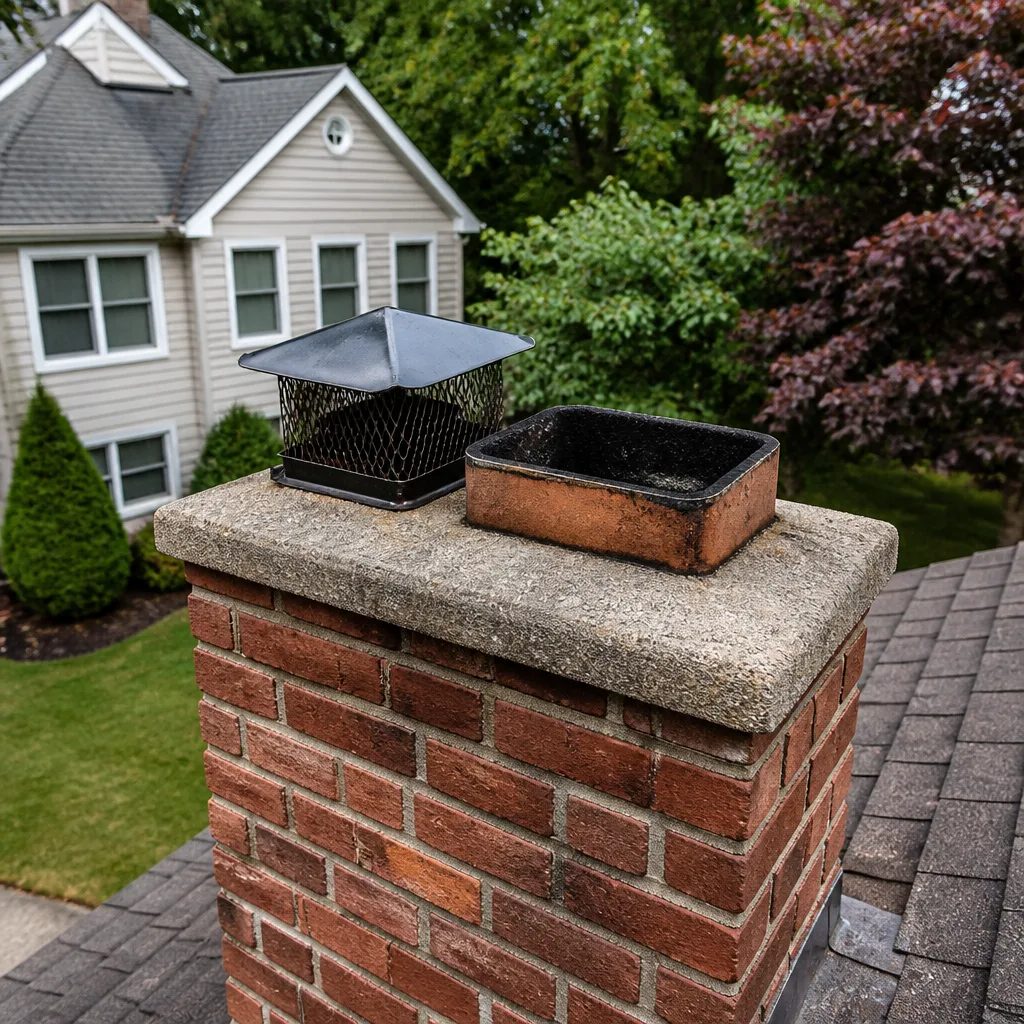
- Check the crown (or the top of a masonry chimney) for cracks. The crown is the concrete slab at the top of the chimney that sheds water. Lancaster’s daily thermal cycling causes crown cracks. If you see cracks, hairline or wider, they can be sealed. If the crown is crumbling, it may need replacement.
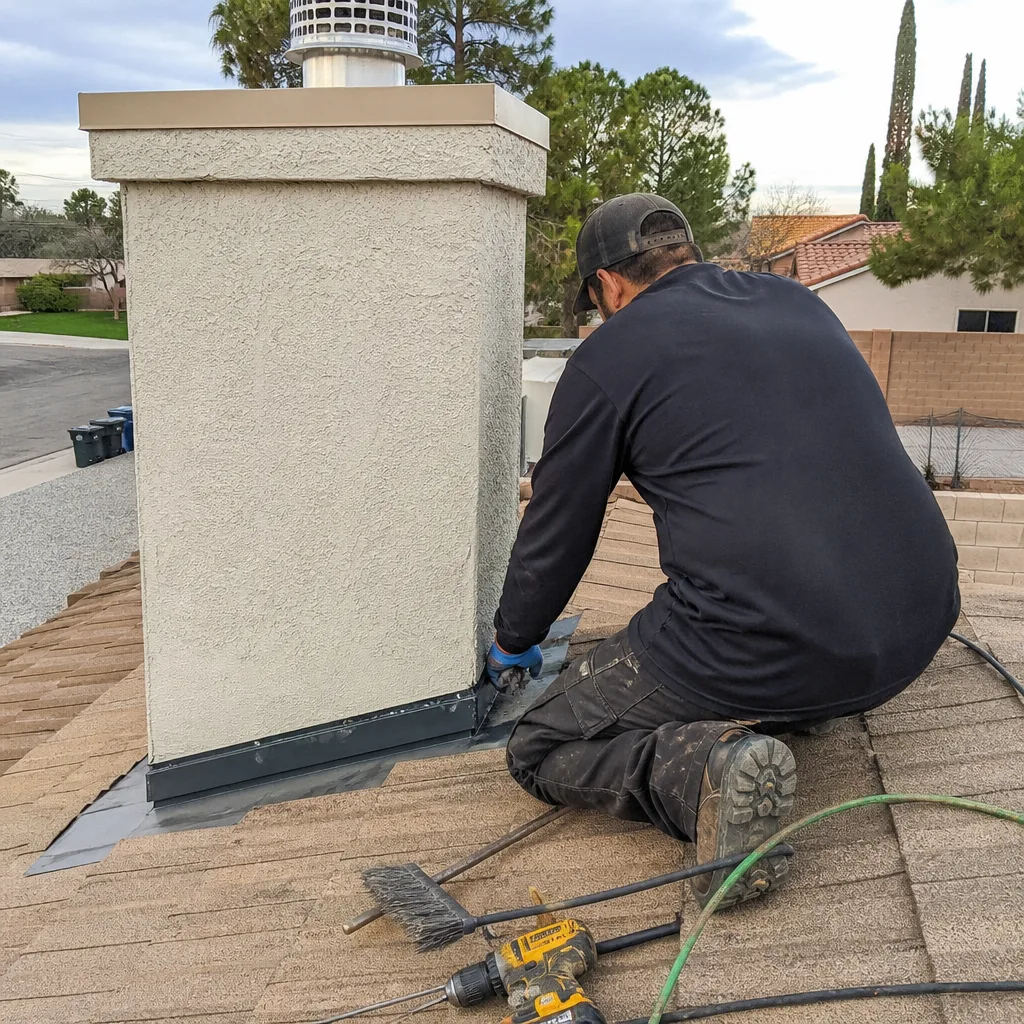
- Inspect the flashing. The metal flashing where the chimney meets the roof is a common source of leaks. Look for gaps, lifting, or rust. Wind-driven rain during Lancaster’s spring storms will find any gap.
- Check for animal activity. Starlings, sparrows, and squirrels start looking for nesting sites in April. Look for twigs hanging from the cap, droppings at the base of the firebox, or scratching sounds. If you hear scratching, call a chimney professional before the animal has a chance to build a full nest.
- Notice musty smells. When you open the damper in the spring, do you smell dampness or mildew? That’s trapped moisture or an animal nest. Address it now, not in October.
- Schedule any repair work you deferred. Spring is the easiest season to schedule chimney work in Lancaster. We see it personally: June through August is when our calendar opens up and we can schedule repairs with the least friction. If you know you need a cap replacement, crown reseal, or liner repair, book it in the spring.
Here’s something that surprises homeowners every year: the most expensive chimney damage we see in Lancaster is almost never caused by fire. It’s caused by water. A chimney that leaks for three years without being addressed can require a full crown replacement, flashing replacement, and significant masonry repair. The total cost can exceed $5,000. A spring inspection that catches the leak in year one costs almost nothing. The post-season checklist is not optional if you want to avoid that bill.
How to Document Your Chimney Over Time
This is the section most chimney guides skip entirely, and it’s the one that saves homeowners the most money over the long haul. Your chimney liner degrades slowly. The cracks that become dangerous in year seven were visible as hairline fractures in year four. But if no one documented them in year four, you can’t prove the deterioration is new, and you can’t make an informed decision about when to repair.
Here’s a simple documentation system you can run yourself.
- Take photos every spring and every fall. Same angles, same lighting. Photograph the exterior of the chimney from all four sides (or as many as you can access). Inside, photograph the firebox, the damper, and up into the flue as far as your camera can see.
- Request camera inspection photos from your sweep. Any professional Chimney Sweep in Lancaster should provide you with photos or video from the camera inspection. If your sweep doesn’t offer this, ask specifically. These photos are the most important documentation you’ll have of liner condition.
- Store everything in a dedicated folder. Create a folder on your phone or computer called “Chimney Documentation.” Put every photo, every inspection report, every repair invoice in it. Label each batch with the date.
- Write down one sentence about each inspection. “March 2025: minor efflorescence on west face, no action needed.” “October 2025: sweep found 1/4-inch creosote, cleaned, no damage visible.” Over five years, these one-sentence notes tell the story of your chimney’s health far better than memory does.
- Compare photos year over year. When you take spring photos, pull up last spring’s photos side by side. Is the efflorescence larger? Is the crack in the crown wider? Is the liner looking more cracked? This side-by-side comparison is how you catch slow degradation before it becomes sudden failure.
Why does this matter? Because when we inspect a chimney, we can tell you what we see today. But what we see today is much more meaningful if we can compare it to what the chimney looked like two years ago. A liner crack that has visibly widened between inspections is a strong argument for repair now rather than waiting. A crack that is unchanged after three years can safely be monitored. Documentation turns subjective inspection into objective trend data.
This documentation habit also matters if you sell your house. A buyer who sees five years of consistent sweep records and camera inspection photos is far less likely to demand a chimney-related concession or repair credit. The documentation is proof the chimney was maintained, and in the Antelope Valley real estate market, a maintained chimney is a selling point.
Dryer Vent Maintenance: A Parallel Schedule
While you’re maintaining your chimney, you should be maintaining your dryer vent on a parallel schedule. Check our more guides & resources for related maintenance tips. The two systems have nothing to do with each other, but in Lancaster’s dry, dusty conditions, both accumulate the same problem: flammable lint and dust buildup. And while chimney fires are rare, dryer vent fires are the leading cause of residential fires in the United States. This is not a scare tactic. It’s a documented fact.
Here’s the parallel schedule.
- Every 3 to 6 months: Check your dryer vent exterior exhaust. Walk outside to where your dryer vents. When the dryer is running, is air flowing strongly out of the vent? Weak airflow means lint buildup. Also check the vent cover: is the flap opening fully and closing fully? Lancaster dust and lint clogs vent flaps and prevents them from sealing, which lets dust and rodents into the vent.
- Every 6 to 12 months: Professional Dryer Vent Cleaning in Lancaster. The frequency depends on household size. Larger families and pet owners should schedule every 6 months. Smaller households can go 12 months. But in Lancaster’s dusty air, you should not exceed 12 months under any circumstances.
- Monthly: Check the lint trap. Clean the lint trap before every load, and periodically wash the lint trap screen with soap and water. Fabric softener and dryer sheets leave a film that clogs the screen pores, reducing airflow even when the trap looks clean.
- Watch for warning signs. Clothes taking longer to dry than they used to, a burning smell when the dryer runs, the dryer feeling unusually hot to the touch on the outside, or a laundry room that gets humid while the dryer runs. All of these indicate restricted airflow, and restricted airflow is how dryer fires start.
The connection between chimney maintenance and dryer vent maintenance is not about equipment (the two systems are completely separate). It’s about having one maintenance calendar for your home’s two combustion-related safety systems. If you’re already doing the seasonal chimney checks, bolt the dryer vent checks onto the same schedule. One habit, two systems, one annual fall service call that covers both.
At Chimney Cleaning Lancaster home, we handle both services under one roof. That means one annual visit can cover your chimney sweep, your chimney inspection, and your dryer vent cleaning in a single appointment. You don’t need to coordinate two different contractors with two different schedules.
Common Mistakes to Avoid
- Doing the annual sweep in December or January. This is the most common mistake in Lancaster. By December, you’re already burning. If the sweep finds damage, you’re either burning with a damaged chimney or waiting in the cold for repairs. October is the right month.
- Skipping the camera inspection. A sweep without a camera inspection is half a job. You’ll know the flue is clean, but you won’t know if the liner is cracked, and a cracked liner is the difference between a safe chimney and a carbon monoxide hazard.
- Ignoring the dryer vent until the dryer stops working. By the time the dryer stops working due to lint buildup, you’ve been living with a fire hazard for months. Dryer vent cleaning should be proactive, not reactive.
- Assuming a gas fireplace needs no maintenance. Gas inserts still have vents, and those vents still accumulate dust, debris, and (in Lancaster) a surprising amount of silt from the desert air. Gas fireplaces need annual inspections too, just different ones.
- Using hardware-store chimney products instead of professional-grade materials. There’s a reason professional chimney companies don’t buy parts at big-box stores. The materials aren’t built for the same lifespan. When you need a cap, a liner, or repair materials, use professional-grade products, not whatever’s cheapest on the shelf.
- Waiting until you smell smoke to investigate a draft problem. By the time smoke is spilling into your living room, the draft problem has been building for weeks. Address poor draft the first time you notice it, not the tenth.
- Dismissing efflorescence as “just cosmetic.” Efflorescence means water is moving through your masonry. Water moving through masonry means deterioration is happening. It’s not cosmetic; it’s diagnostic.
When to Call a Professional
Some situations call for a professional, and calling one early is always cheaper than calling one late. Here’s when to pick up the phone.
Call a chimney professional if you see persistent smoke spillage into the room; if you smell something burning that isn’t wood; if you hear animals scratching in the chimney; if you see water stains near the chimney; if you notice efflorescence on the exterior masonry; if your carbon monoxide detector sounds (even once, even if it stops); if you see cracks in the firebox that a coin can fit into; or if your camera inspection shows liner damage of any kind. Also call if it’s been more than 12 months since your last sweep, regardless of how little you’ve used the fireplace.
Chimney Cleaning Lancaster offers free estimates in Lancaster. Call (877) 376-0565 and we’ll walk you through what’s happening.
Frequently Asked Questions
Once per year minimum, in early fall before burn season starts. Lancaster’s dry climate creates flaky, dry creosote that ignites more easily than the sticky creosote in humid climates, so this annual sweep is a fire-safety necessity, not a luxury. Heavy burners (three or more fires per week) may need a second sweep mid-season, and a professional can tell you after the first sweep whether your usage patterns warrant that.
September or October. This is before peak burn season starts in November, which means any repair work uncovered by the sweep can be completed before you actually need the fireplace. Waiting until December creates a situation where you’re either burning with a compromised chimney or waiting in the cold for a repair. Call (877) 376-0565 to schedule your fall sweep before the rush.
Yes. Even if you only burn a few fires per year, your chimney is still accumulating Lancaster dust, which mixes with existing creosote and blocks airflow. You’re also missing animal activity: birds and squirrels nest in unused chimneys during spring and summer, and a nest blocks the flue and creates a fire hazard. The annual sweep checks for these problems whether you burn daily or almost never.
Chimney sweeps in Lancaster typically run from $150 to $300 depending on the chimney’s condition, the level of inspection, and whether camera inspection is included. Read our Choosing the Right Chimney Cleaning Brand: A Buyer’s Guide for Lancaster to understand what factors into that cost. This is a fraction of what a chimney fire or liner replacement costs. Call (877) 376-0565 for an exact quote, estimates are free.
Each year you skip, creosote and dust accumulate, animal nests get built, and moisture intrusion expands. A chimney that skips maintenance for two years often develops problems that would have been caught early: a cracked liner that worsens, a crown that crumbles, a cap that comes off. The repair bill after years of skipped maintenance is frequently ten times the cost of the sweeps that were skipped. In Lancaster, the damage compounds faster because of the temperature swings and dust.
Lancaster’s famous winds can create downdrafts that force smoke back down the chimney and into your home. Occasional wind-driven smoke spillage is usually harmless, but persistent spillage means your chimney has a draft problem that needs addressing. This could be a cap issue, a flue sizing problem, or an obstruction. If you experience regular smoke spillage on windy days, schedule an inspection rather than just living with it.
The Bottom Line
A chimney maintenance checklist for Lancaster homeowners works best when it’s built around local reality: September or October sweeps, monthly visual checks during burn season, post-season moisture and wildlife checks in April and May, and dryer vent cleaning that runs on the same schedule. Document everything with photos and brief notes, because a five-year photo record is the single best tool you have for making informed, non-urgent repair decisions. The goal isn’t just avoiding chimney fires. It’s catching problems in year one, when they’re cheap to fix, instead of year five, when they’re not. Schedule your fall sweep now, before the rush, and you’ll be warm and safe all winter.
Written by the team at Chimney Cleaning Lancaster, serving Lancaster since 2013.
See the difference
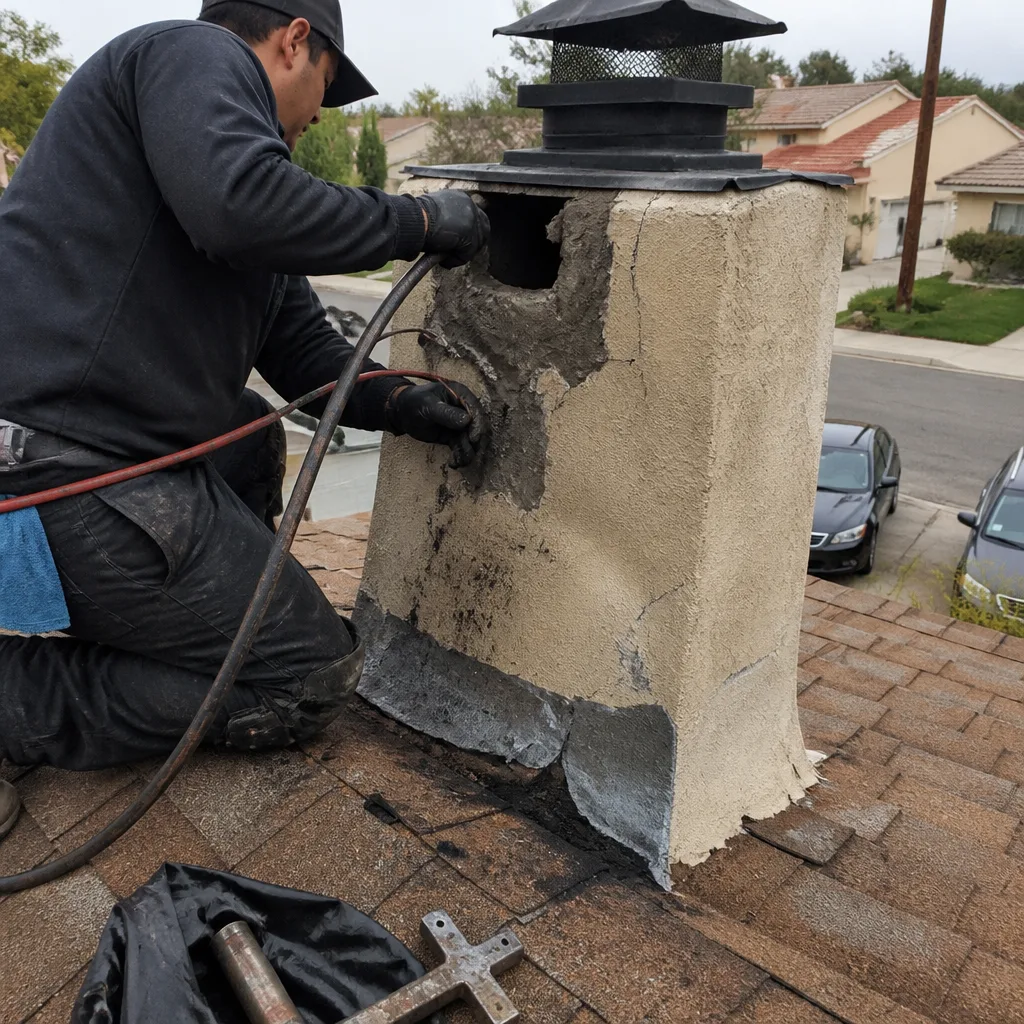 Before
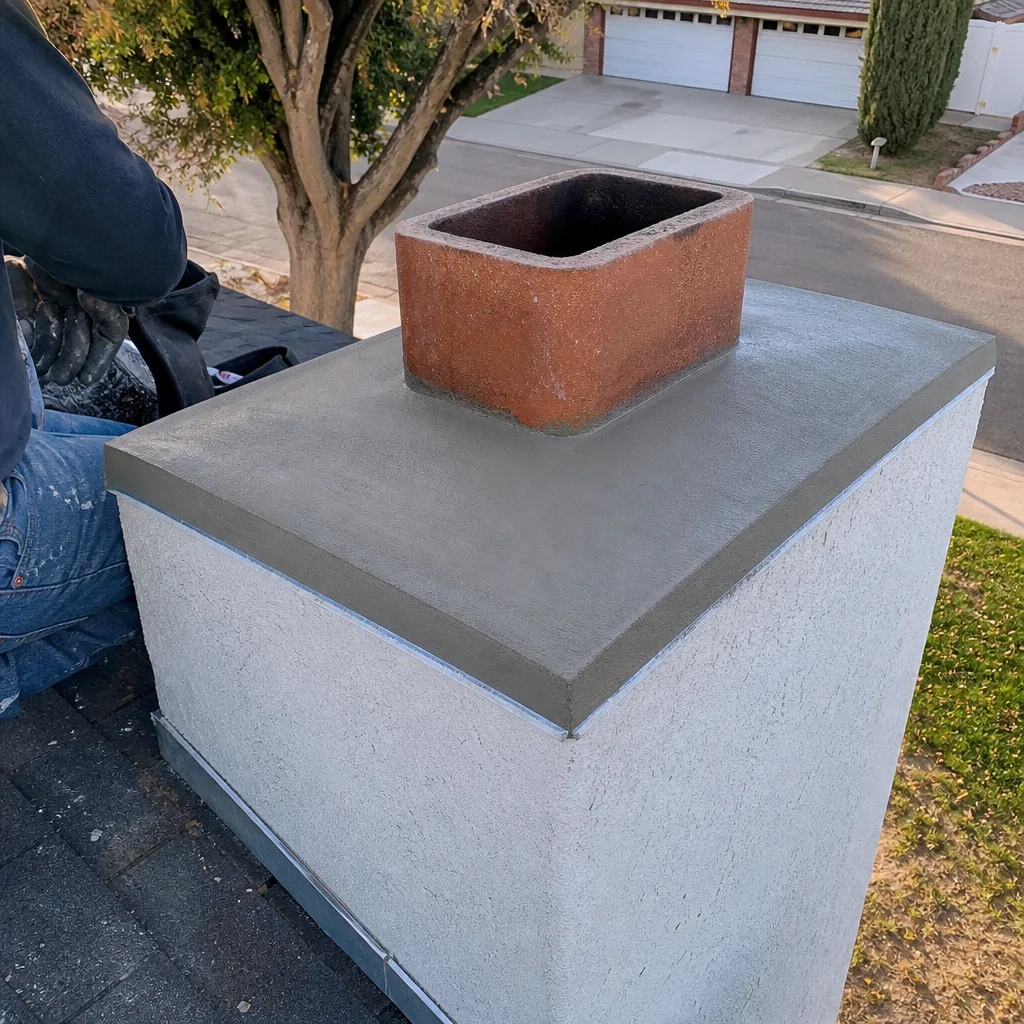 After
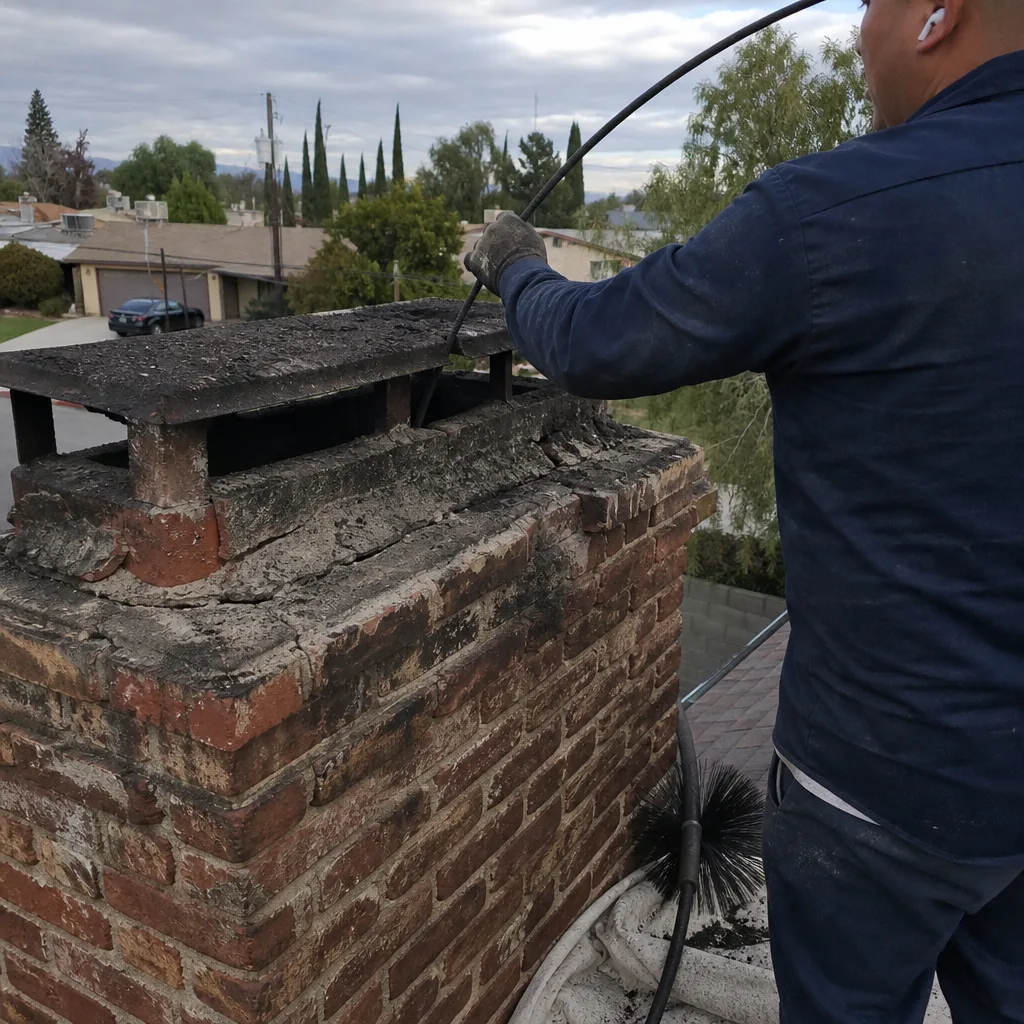 Before
 After
 Before
 After