
Last updated November 3, 2026
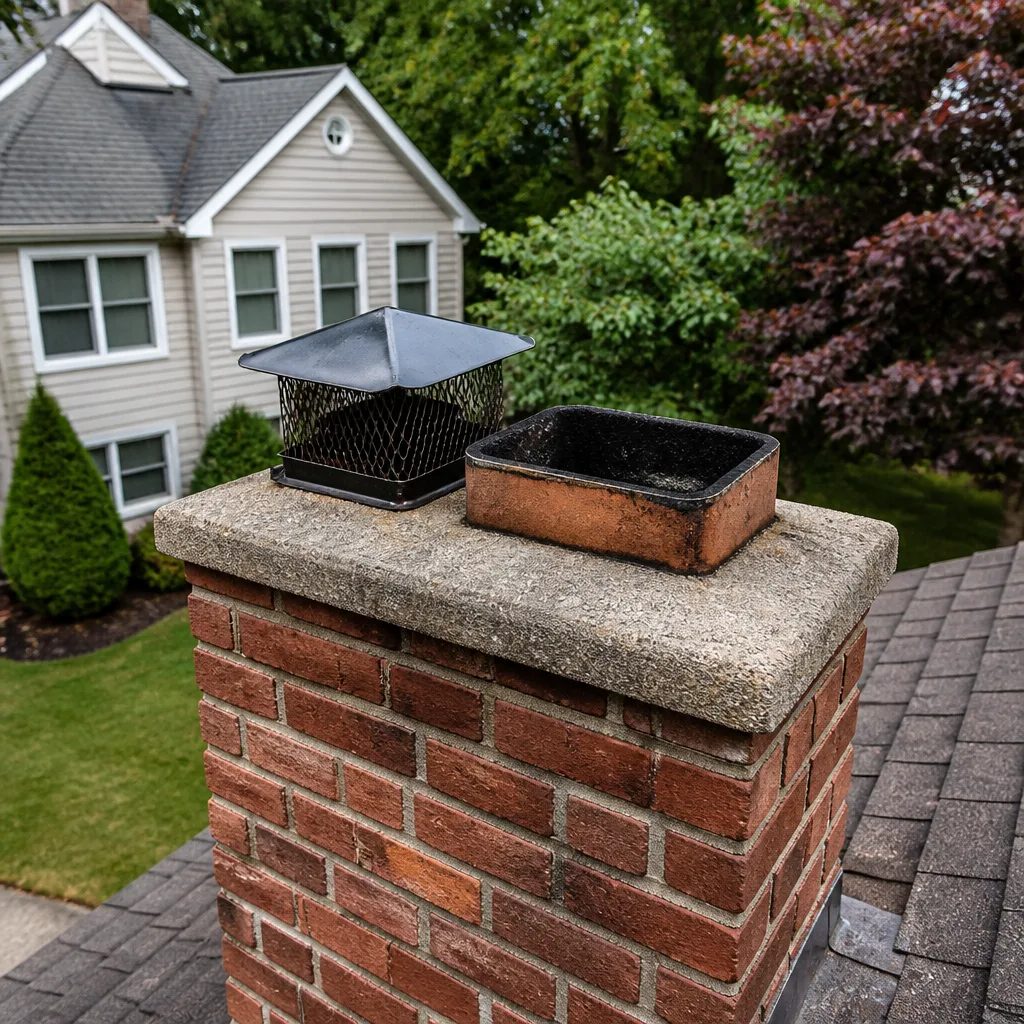 Sweep & inspection
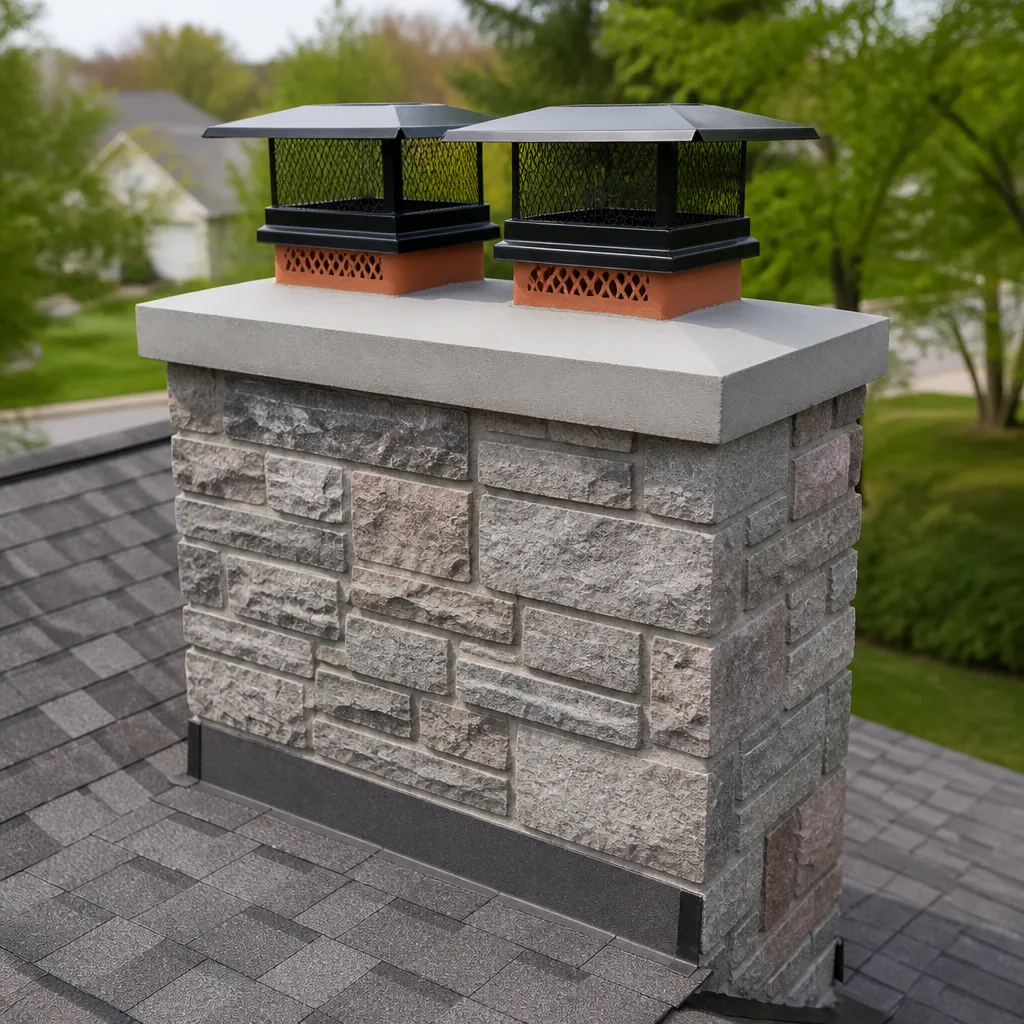 Caps & crowns
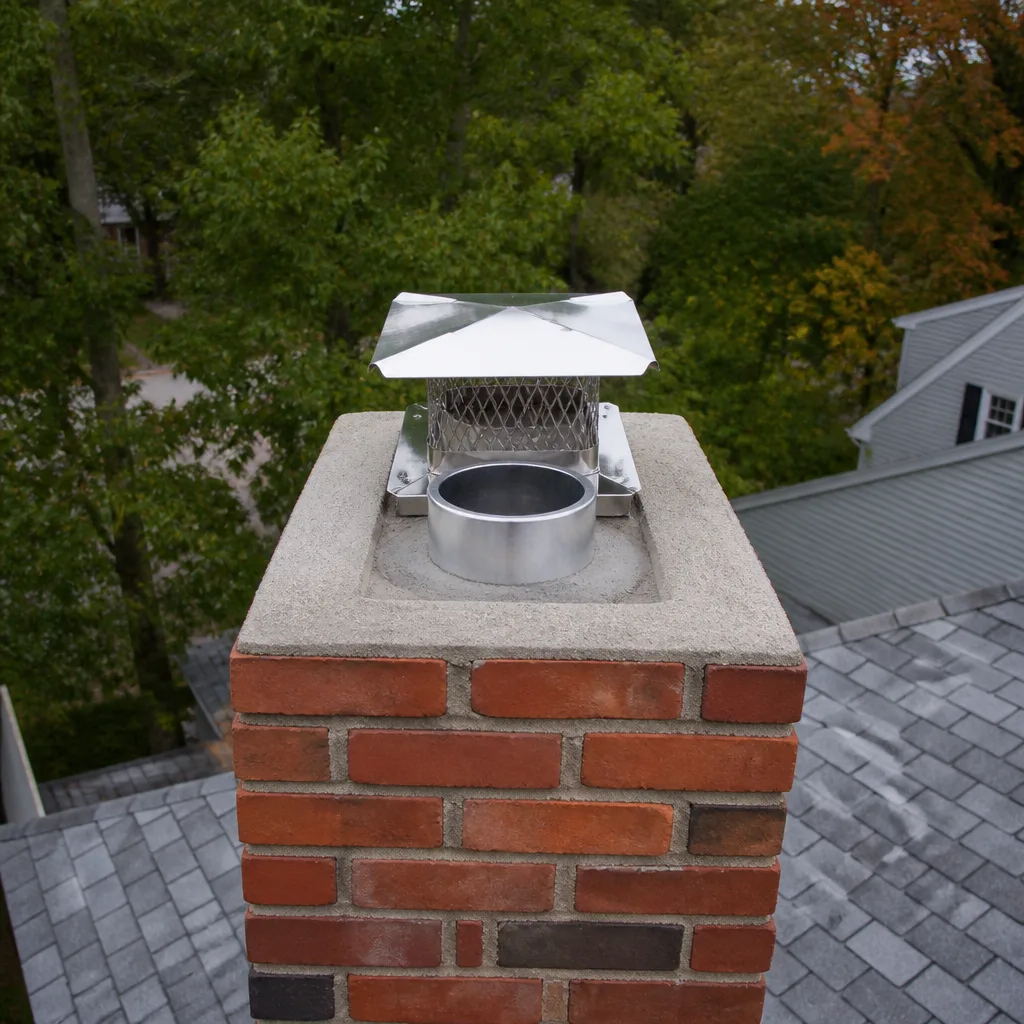 Flue relining
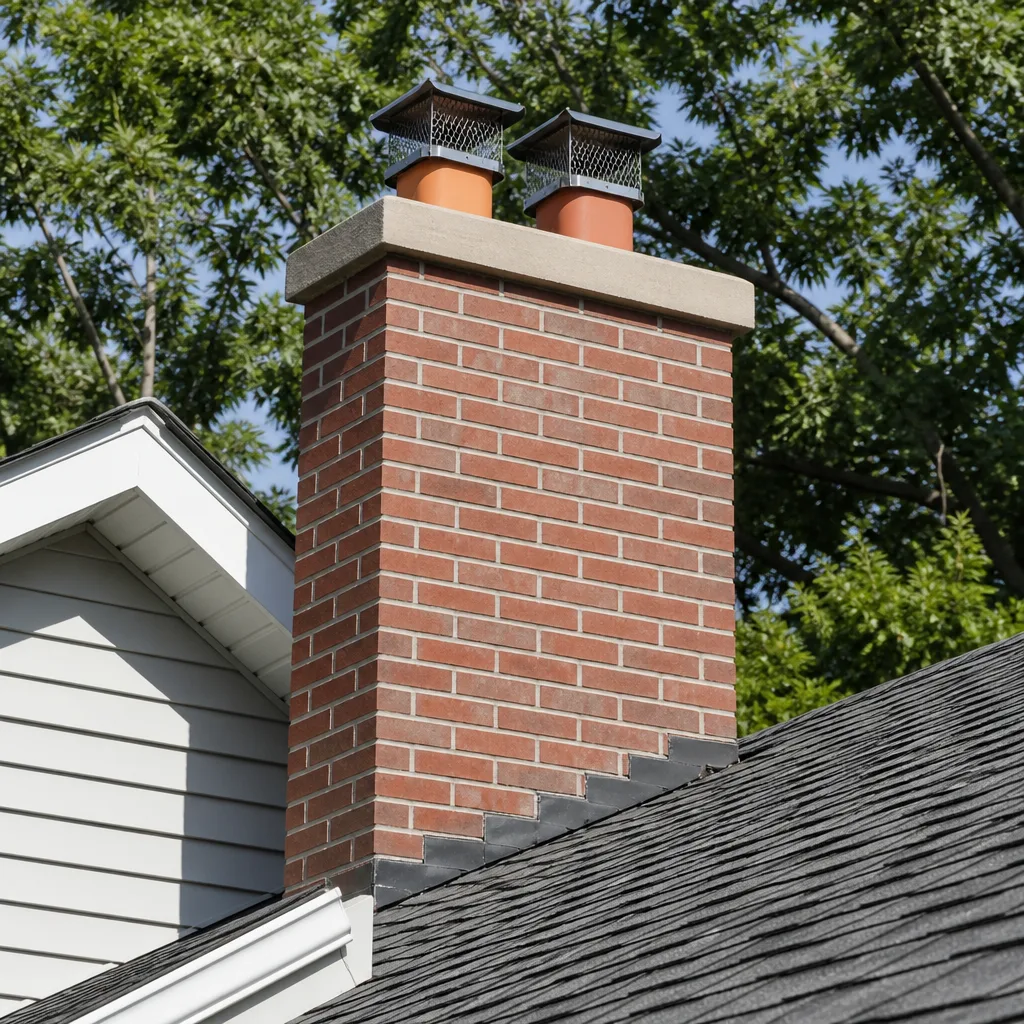 Masonry repair
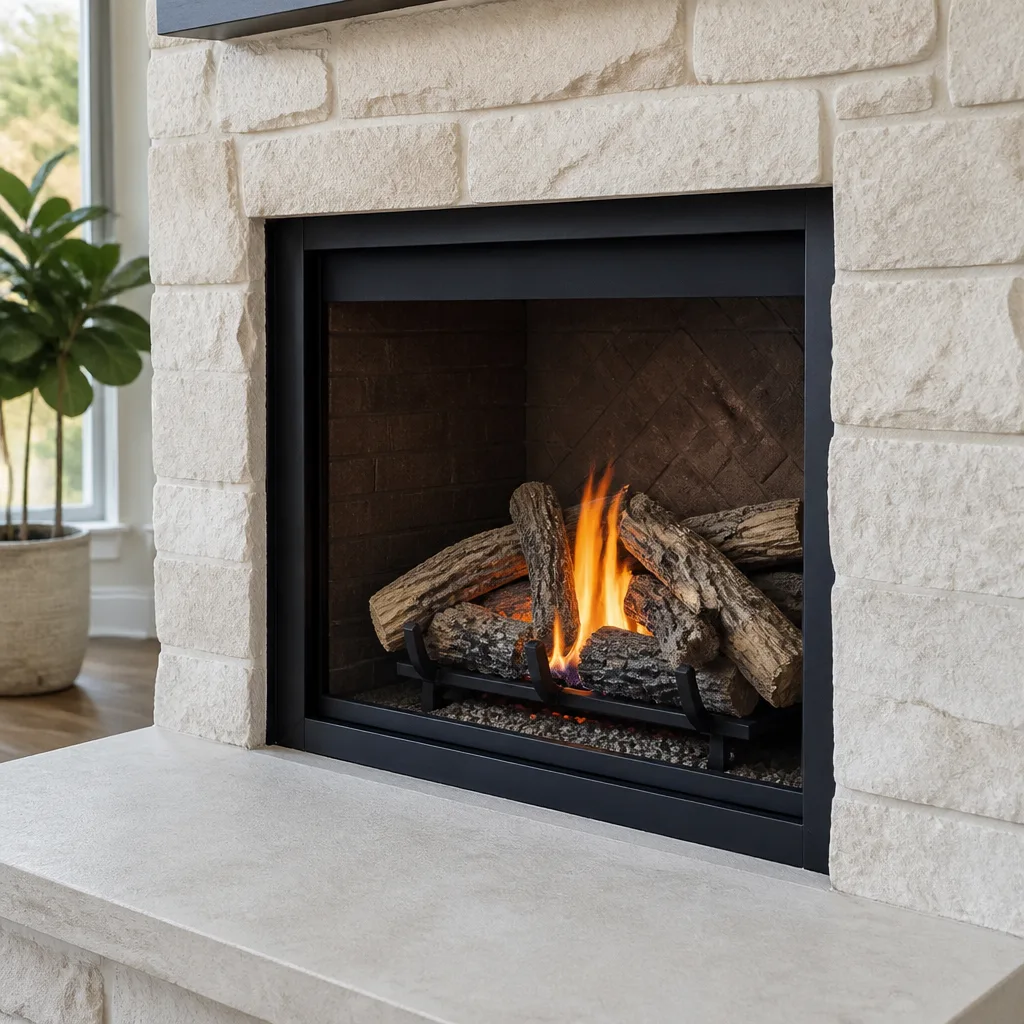 Gas fireplace service
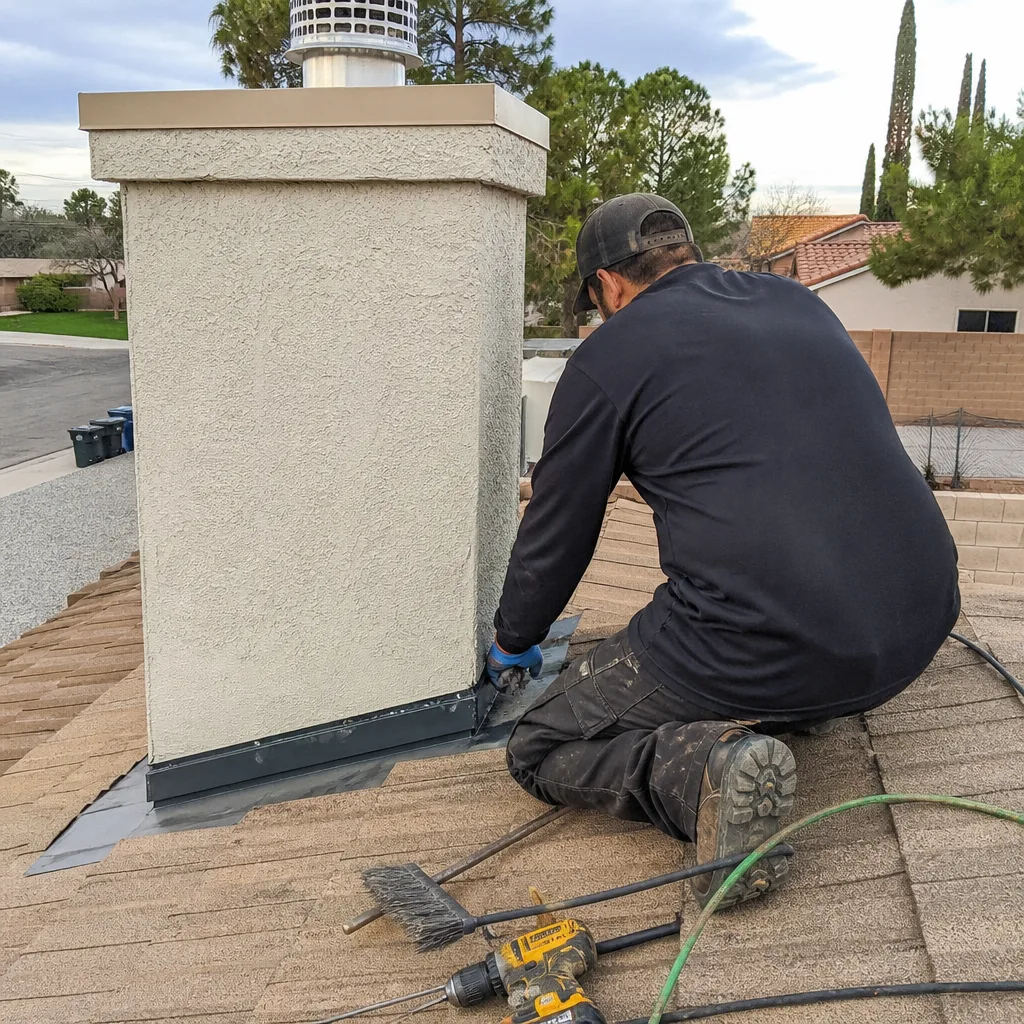
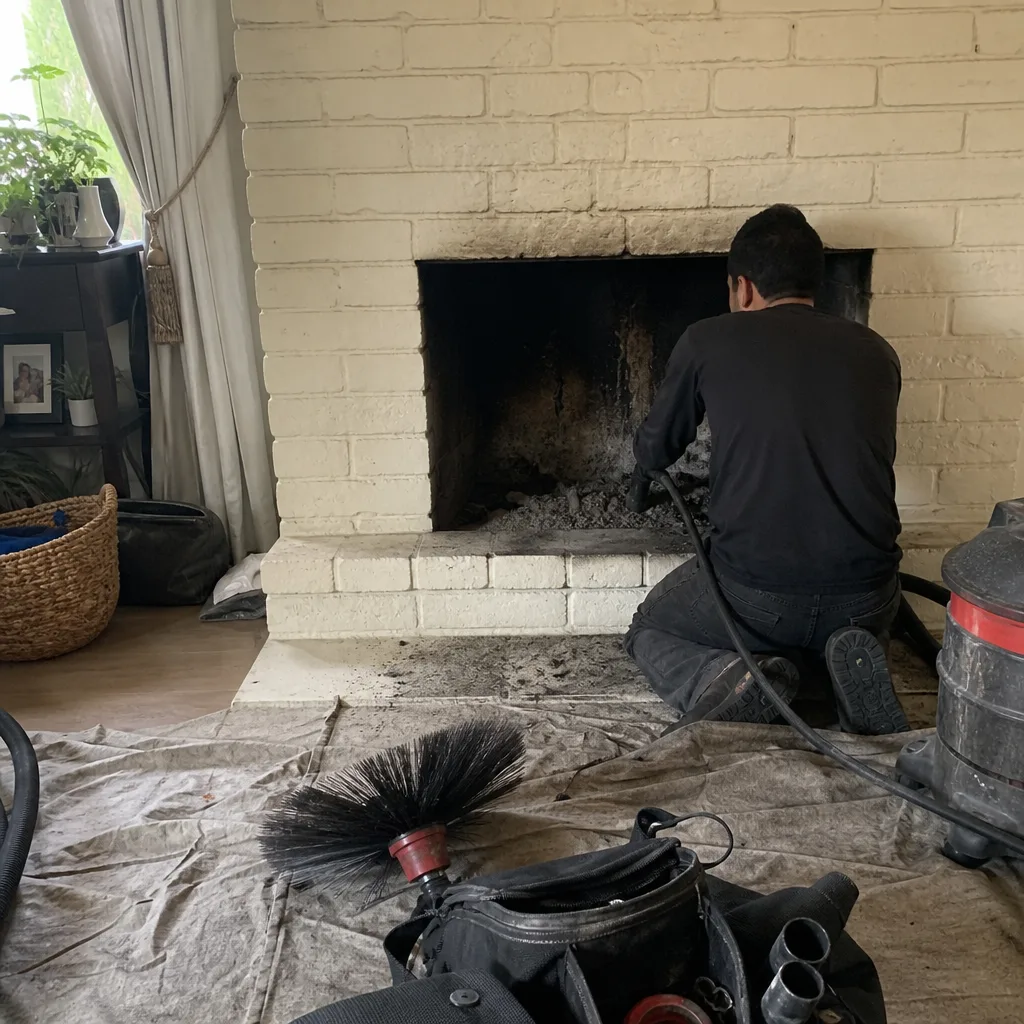
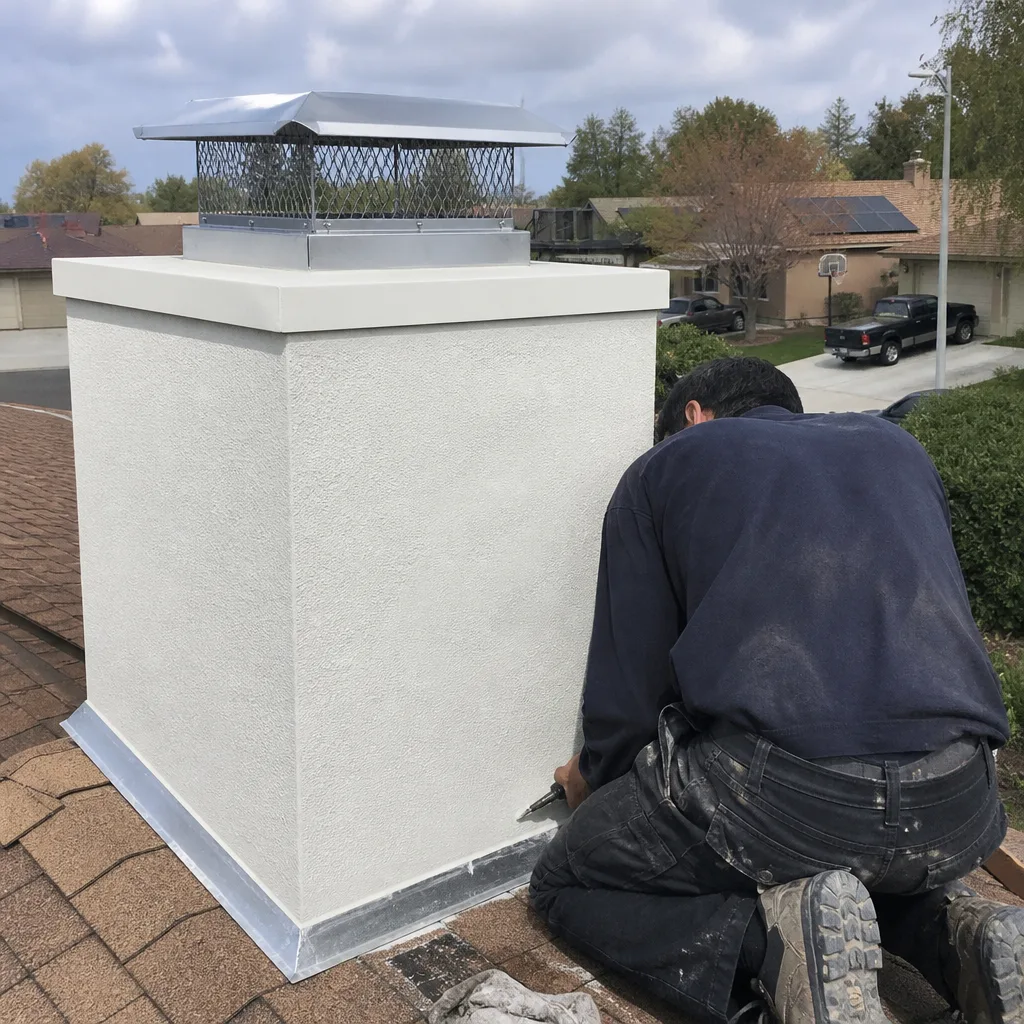
Level 1 sweep and inspection to the NFPA 211 annual standard - flue, crown, cap, and flashing checked and photographed
Chimney sweep logs do not sweep chimneys. They loosen some creosote - which then falls where a brush and vacuum still have to collect it.
Choosing the Right Chimney Cleaning Brand: A Buyer’s Guide for Lancaster
Most homeowners never ask what brand of liner, brush, or sealant their chimney contractor is installing. And most contractors are counting on that. The difference between a professional-grade product and a hardware-store substitute isn’t visible on the day the work is done. It shows up three years later, when a liner warps under Lancaster’s temperature swings or a sealant cracks after one desert summer. This guide walks through the materials and brands that actually hold up in Lancaster’s climate, so you can ask the right questions before signing anything. For The Complete Chimney Sweep Guide for Lancaster Homeowners, see our dedicated resource. We’ll cover professional brush and rod manufacturers, liner gauge and material ratings, sealants and crown coatings, and what a contractor’s answer about their supply chain tells you about the work you’re about to pay for.
Quick Answer
The right chimney cleaning brand in Lancaster comes down to three things: commercial-grade brushes and rods from manufacturers like Rutland, Midwest Hearth, or Wooster; a stainless steel liner with the correct gauge and alloy rating for sustained high-heat use; and a professional sealant or crown coating formulated for desert temperature swings, not a big-box acrylic. When a contractor names their brands without hesitation and those brands are professional-grade, the work lasts. When they can’t name a brand, that’s the answer. Chimney Sweep in Lancaster done with the right materials costs more up front and less per year of service life.
Styles & brands we work with
- Sweep & inspection
- Caps & crowns
- Flue relining
- Masonry repair
- Gas fireplace service
Table of Contents
- Why Chimney Cleaning and Repair Brands Matter at All
- Professional Brushes and Rods: What Separates Commercial Lines From Consumer Versions
- Liner Brands and Gauge: What Lancaster’s Climate Demands
- Sealants and Crown Coatings: The Desert Climate Test
- How to Ask a Contractor What Brand They’re Using
- Red Flags: Generic Labels and Budget Operator Supply Chains
- Common Mistakes to Avoid
- When to Call a Professional
- Frequently Asked Questions
Why Chimney Cleaning and Repair Brands Matter at All
A chimney sweep looks simple from the outside. Someone climbs on the roof, runs a brush down the flue, and collects a check. But the brush itself, the rods driving it, the sealant used on the crown, and the liner material inside the flue all determine whether the job holds up or quietly fails. Lancaster’s climate accelerates the difference. Summer temperatures regularly cross 100°F, winter nights dip below freezing, and the thermal cycling repeats hundreds of times a year. Materials without the right heat tolerance and expansion characteristics crack, warp, or separate. Often, the homeowner doesn’t notice until a chimney inspection reveals creosote buildup behind a failed liner or water damage from a cracked crown.
Professional-grade materials are engineered for this. Big-box alternatives are engineered for price point. A $30 chimney brush from a hardware store uses steel bristles that can scratch the flue liner on the first use. A commercial brush from Rutland or Midwest Hearth uses the right wire gauge and bristle density for the liner material being swept. The same logic applies to every component in a chimney system. Chimney Repair in Lancaster work done with professional materials is visibly different when you know what to look for, and this guide explains what to look for.
Professional Brushes and Rods: What Separates Commercial Lines From Consumer Versions
The brush is the most visible tool in a chimney sweep’s kit, and it’s also the easiest way to spot whether someone is doing this professionally. Three manufacturers dominate the professional market: Rutland, Midwest Hearth, and Wooster. Each makes consumer-grade products too, but their commercial lines are built differently.
Rutland
Rutland is the most widely recognized name in chimney maintenance, and that’s part of the problem for comparison shopping: their consumer brushes are sold at hardware stores alongside their commercial lines. The difference is construction. Rutland’s professional brushes use oil-tempered wire bristles with a specific stiffness calibrated for creosote removal without damaging the liner. Consumer models use thinner wire that bends under pressure, meaning a sweep takes longer and leaves residue behind. For Lancaster homeowners with wood-burning fireplaces, residue left behind is future fuel for a chimney fire.
Midwest Hearth
Midwest Hearth takes a different approach, focusing on polypropylene brushes for stainless steel liners and specialized brushes for different flue shapes. Their commercial line includes brushes matched to exact flue dimensions, which matters because an undersized brush leaves creosote in the corners and an oversized one risks liner damage. We’ve seen flues in Lancaster homes where years of undersized brushing left heavy buildup in the corners of rectangular flues, and it takes professional equipment and time to correct, as covered in The Complete Chimney Sweep Guide for Lancaster Homeowners.
Wooster
Wooster is best known for paint tools, but their chimney rod system is the standard for professional sweeps working on multi-story homes. The rods use a locking mechanism that prevents the sections from separating inside the flue during a sweep, which is a specific failure mode with cheaper rods. If a rod separates inside the flue, the sweep is now doing a recovery job before the cleaning job. Professional rods are also built for the torque of powered rotary systems, which is what a thorough sweep of a heavily used Lancaster fireplace actually requires.
What to ask: “What brush brand and rod system do you use, and why did you choose it?” A professional answer sounds like the paragraphs above. A vague answer is a signal, and we’ll get to what those signals mean in a later section.
Liner Brands and Gauge: What Lancaster’s Climate Demands
The liner is the single most important material decision in a chimney repair job. It’s also where Lancaster’s temperature-cycling climate exposes inferior products fastest. A stainless steel liner expands and contracts with every fire you build and every overnight freeze. The gauge, alloy, and construction determine whether the liner survives decades of that cycle or fails in a few seasons.
Professional-grade liner manufacturers specify their products in two key dimensions: gauge and alloy. Gauge refers to the thickness of the steel. 316L alloy is the standard for wood-burning applications because it resists the corrosive acids in creosote. 304 alloy is cheaper and fine for gas or oil, but it will corrode faster in a wood-burning flue. If a contractor proposes a 304 liner for a wood-burning fireplace, that’s a red flag regardless of the brand name on the box.
Gauge matters differently. Thicker gauge means the liner handles thermal stress better, but it’s also harder to work with and more expensive, so budget operators push thinner material. A 0.006-inch liner flexes more during installation and thermal cycling, which stresses the weld seams. A 0.008-inch or thicker liner holds its shape. The price difference is real, but so is the lifespan difference in a climate like Lancaster’s.
DuraFlex is the brand most certified chimney technicians specify for flexible stainless steel relining. Their liners are made from 316L alloy for wood-burning use, and their construction uses a continuous weld rather than a crimped seam. That distinction matters: crimped seams create small gaps where creosote can collect and where thermal expansion concentrates stress. DuraFlex liners are also designed to be installed as part of an insulated system, which keeps flue gases hot enough to draft properly. In Lancaster’s shoulder seasons, when nights are cold and days are warm, draft is often the difference between a fireplace that works and one that smokes back into the room.
HeatShield is a different category entirely: it’s a liner restoration system rather than a replacement liner. When a flue has cracks or gaps in the original clay tile liner but the structure of the chimney is sound, HeatShield’s ceramic material is applied to the interior flue walls to restore a continuous, insulated surface. The system uses a specialized application process with a foam form that shapes the material to the flue’s dimensions. For Lancaster homeowners facing a full relining quote, a HeatShield restoration can resolve the safety issue at a fraction of the cost. It’s not right for every situation, but when it’s right, it’s the difference between a $3,000 repair and a $10,000 rebuild. More on this in the FAQ section.
Sealants and Crown Coatings: The Desert Climate Test
The chimney crown is the concrete slab at the top of the chimney that keeps water out of the masonry. When it cracks, water gets in, and in Lancaster’s freeze-thaw cycles, water does more damage than fire ever will. Water trapped in brick expands when it freezes, cracking mortar joints from the inside. The sealant or crown coating you choose determines whether that cycle stops or continues.
Big-box retailers sell acrylic-based sealants and “crown repair” products designed for weekend DIY work. These products perform fine in mild climates, but Lancaster’s UV exposure and temperature range break down acrylic binders within a few seasons. The sealant cracks, water finds the crack, and the repair cycle starts again. Professional chimney technicians use elastomeric sealants and cementitious crown coatings formulated for masonry expansion. Gelco and Olympia Chimney are two of the brands certified technicians specify for exactly this reason. Their crown coatings are breathable, meaning moisture vapor can escape from the masonry without breaking the surface, and they maintain flexibility across a meaningful temperature range.
Copperfield is another professional brand that shows up on chimney material lists, typically for chimney caps, dampers, and chase covers. These are the components that sit at the top of the flue and take the full force of Lancaster’s wind and UV. A Copperfield cap is stainless steel or copper, not galvanized steel, which is what big-box versions use. Galvanized steel corrodes within a few years of desert exposure, and a corroded cap is no longer keeping rain, birds, or embers out of the flue. This is a small component that protects a big system, and the brand difference is measurable in years of service life.
Famco rounds out the professional-grade list with venting and ducting components used in dryer vent systems. Their components are made from the right gauge of aluminum or galvanized steel for the application, and they’re sized for the airflow a dryer actually needs. The Dryer Vent Cleaning in Lancaster process matters, but so does the material in the vent line itself. A dryer vent made from flexible foil or plastic is a documented fire hazard; a rigid or semi-rigid vent made from proper-gauge material is a safety upgrade. If a technician is installing vent components, the brand on the material list tells you whether they’re sourced from a professional supplier or a big-box shelf.
How to Ask a Contractor What Brand They’re Using
The most useful question you can ask a chimney contractor is also the simplest: “What brand of liner, sealant, or brush are you going to use, and why that brand?” The “why” is important because it separates professionals from people who memorized a brand name. Here’s a step-by-step for the conversation:
- Ask before you book. The question should come before any money changes hands. If a contractor is evasive at the quoting stage, the work won’t be more transparent.
- Ask about the specific job, not the company. “What liner brand will you use for my fireplace?” is better than “Do you use good materials?”
- Listen for the explanation. A professional says something like, “DuraFlex 316L, because your fireplace burns wood and the corrosive acids in creosote require that alloy.” A non-professional says something vague like, “Oh, we use professional-grade stuff.”
- Ask where the materials come from. Professional suppliers sell to trade accounts and rarely to the public. If a contractor names a supplier you could walk into, that’s information.
- Ask about the alternatives. “Is there a cheaper option?” If they immediately offer a cheaper brand without explaining the tradeoff, they’re selling price, not safety. A professional will explain the tradeoff and tell you when the cheaper option is acceptable, which it sometimes is for gas flues or rarely used fireplaces.
Here’s what a professional answer sounds like, using our own materials list as an example: we stock and install DuraFlex for stainless steel relining, we use HeatShield for liner restoration when the situation allows it, and we use Gelco, Olympia Chimney, Famco, and Copperfield products for crowns, caps, dampers, and venting. That’s six professional-grade brands, and each one has a specific job in a specific part of the chimney system. When a contractor can name their brands and explain why each one is used where, the supply chain is professional. When they can’t, it isn’t.
Red Flags: Generic Labels and Budget Operator Supply Chains
Budget chimney operators have two ways to hide their material choices: proprietary labels and vague answers. Both are recognizable once you know what to look for.
Proprietary labels are brands that exist only on the contractor’s website or invoice. You can’t look them up, can’t find specifications, can’t verify the alloy or gauge. Sometimes these are repackaged professional products, but more often they’re white-label products manufactured at the cheapest price point the contractor could find. The label is there to prevent comparison shopping. For Lancaster homeowners, a proprietary label on a liner or sealant is a reason to ask for the underlying manufacturer and specification. If the answer is confidential, treat that as an answer.
Vague answers are more common than outright deception. “We use professional materials” is a statement with no information in it. “Whatever the job calls for” is worse. A contractor who can’t name their liner brand, their sealant brand, and their brush brand is either buying supplies at whatever store is closest to the job site or doesn’t actually know what’s going onto your chimney. Neither is what you’re paying for.
There’s also a specific pattern in Lancaster’s market: operators who quote low, do a quick sweep with a big-box brush, and then “discover” expensive masonry or liner problems during the visit. The low quote was never for a real chimney service; it was for an inspection inside your home. The cheap brush is part of the setup. When a contractor arrives with equipment from a hardware store and a quote that’s dramatically lower than other estimates, that’s not a deal; that’s a business model.
Common Mistakes to Avoid
- Picking a contractor based on price alone. The cheapest sweep in Lancaster is often using the cheapest materials, and those materials fail faster. You’ll pay the difference on the repair.
- Assuming all stainless steel liners are the same. 304 alloy costs less than 316L, but it corroses faster in a wood-burning flue. If the contractor can’t tell you which alloy they’re quoting, that’s a problem.
- Letting the contractor pick sealants without your input. Acrylic sealants from big-box stores fail within a few Lancaster summers. Ask specifically what crown coating or sealant will be used and why.
- Ignoring the dryer vent. A dryer vent is part of the chimney and venting system, and it’s a leading cause of residential fires. If your chimney contractor doesn’t also handle dryer vents, you’re coordinating two contractors for one system. Dryer vent cleaning is a safety service, not an upsell.
- Signing a contract that doesn’t specify materials. A quote should list the liner brand, gauge, and alloy if a liner is being installed. “Liner: professional grade” isn’t a specification; it’s a placeholder.
- Replacing a liner when restoration would work. HeatShield liner restoration can repair a cracked flue without a full rebuild. If a contractor only offers replacement, they may not be certified or equipped for restoration work.
- Accepting a “sweep” that takes 20 minutes. A real sweep of a wood-burning chimney includes setup, brushing, and inspection. If someone is in and out in 20 minutes, they moved a brush up and down and left creosote in the corners.
When to Call a Professional
Chimney cleaning and inspection is seasonal work in Lancaster, and the right time is before burning season starts in the fall. If you’re seeing smoke backing into the room, noticing a strong odor from the fireplace even when it’s not in use, or if it’s been more than a year since the last professional inspection, call a professional rather than attempting to diagnose or fix the issues yourself. The inside of a chimney is a high-heat environment with fire safety implications; a professional inspection includes video or photo documentation so you can see the condition of the flue with your own eyes. Nothing should be recommended without evidence you can see. Chimney Cleaning Lancaster home services are available for homeowners throughout Lancaster, and estimates are free. Call (877) 376-0565 for a quote on a sweep, inspection, or any of the material questions covered in this guide.
Frequently Asked Questions
A professional chimney sweep in Lancaster typically costs between $150 and $300 depending on the type of fireplace, the accessibility of the roof, and whether the chimney includes a liner inspection with camera documentation. The price includes more than just brushing: a proper sweep removes creosote from the flue, inspects the liner, crown, damper, and cap, and provides a report on the condition of each component. Companies that quote dramatically less are often using consumer-grade equipment and skipping the inspection portion of the job. For an exact quote on your chimney, call (877) 376-0565.
A hardwood brush is used for clay tile liner flues and is made from dense natural fiber that effectively removes creosote without damaging the tile. A poly brush is used for stainless steel liners because the poly bristles are softer than steel but firmer than natural fiber, removing buildup without scratching the metal. Using the wrong brush for the liner type causes damage. A professional tech knows which one to use based on the inspection. This is part of why asking about brush brands is useful: it tells you whether they’re matching the tool to the flue.
Not always, which is the honest answer. Clay tile liners work when they’re in good condition and the flue is appropriately sized for the appliance. But when clay tiles crack, which they often do after decades of Lancaster’s freeze-thaw cycles, a stainless steel liner becomes necessary because the flue is no longer containing heat and combustion gases. A camera inspection is the only way to know. Some cracked liners can be restored with HeatShield rather than fully relining, which costs significantly less. The right answer depends on what the camera shows, not on what a contractor wants to sell you.
At least once per burning season if you use your fireplace regularly, which in Lancaster means once a year before fall. If you burn more than three cords of wood in a season, a mid-season inspection is prudent. Homes that rarely use the fireplace should still have an annual inspection, because even unused chimneys develop structural issues from weather exposure, and animals nest in unused flues. The National Fire Protection Association recommends annual inspection regardless of usage, and that recommendation exists because creosote buildup is not proportional to how often you think you use the fireplace.
Three things, in order of likelihood: creosote accumulates on the flue walls, reducing draft and increasing the risk of a chimney fire; water damage progresses if the crown or cap is compromised, eventually requiring masonry repair; and in the worst case, a chimney fire occurs, which can spread to the structure of the home. Chimney fires often burn quietly inside the flue and go unnoticed until damage is found later. It’s not a scare tactic; it’s the physical reality of burning wood in a contained space. A chimney fire is almost never the first sign of a problem, which is why inspection matters. Call (877) 376-0565 to schedule an inspection before burning season.
HeatShield is a ceramic restoration system applied to the inside of an existing clay tile flue to seal cracks and restore a continuous surface. A full liner replacement removes the old liner and installs a new stainless steel liner. HeatShield is appropriate when the flue has cracks or gaps but the structural masonry around it is sound; a full replacement is necessary when the liner has collapsed, the flue is severely deteriorated, or the chimney is being converted for a new appliance. The cost difference is significant, which is why a company that offers both options, and can explain when each applies, is giving you a real choice. If a contractor only offers one option, you’re not getting the full picture.
The Bottom Line
Chimney cleaning and repair brands are not a secret language reserved for industry insiders. They’re the difference between work that lasts a decade and work that fails after a few Lancaster summers. DuraFlex, HeatShield, Gelco, Olympia Chimney, Famco, and Copperfield are names you can verify and specifications you can check. When a contractor stocks and installs these brands, and can explain why each one is chosen for a specific part of your chimney, you’re working with a specialist who buys professional-grade materials. When they can’t name a brand or hide behind a proprietary label, you’re watching a supply chain decision being made at whatever store is cheapest. This guide exists so you can tell the difference before you pay for work that fails. Explore more guides & resources for Lancaster homeowners. For a free estimate on a sweep, inspection, or repair in Lancaster, call (877) 376-0565 and ask what brands they stock. You’ll know the answer you’re listening for now.
Written by the team at Chimney Cleaning Lancaster, serving Lancaster since 2013.
See the difference
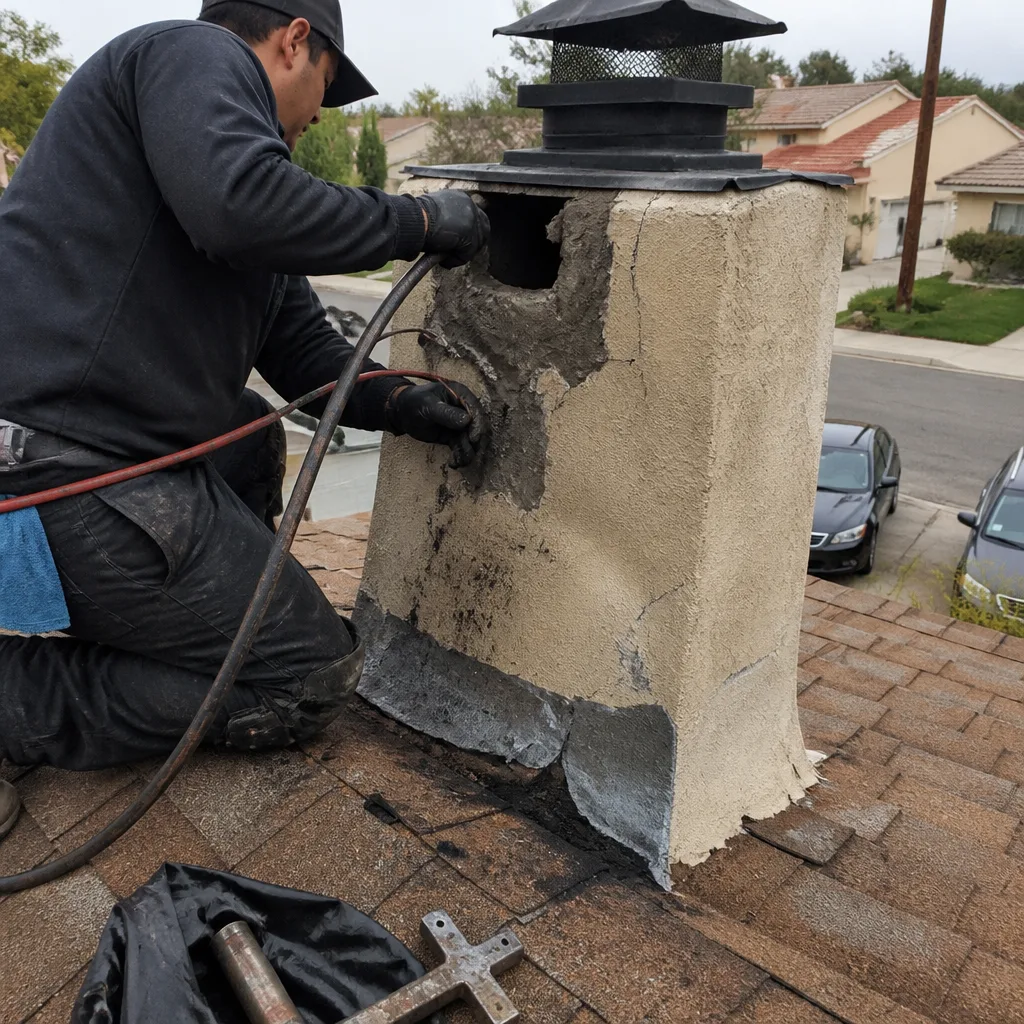 Before
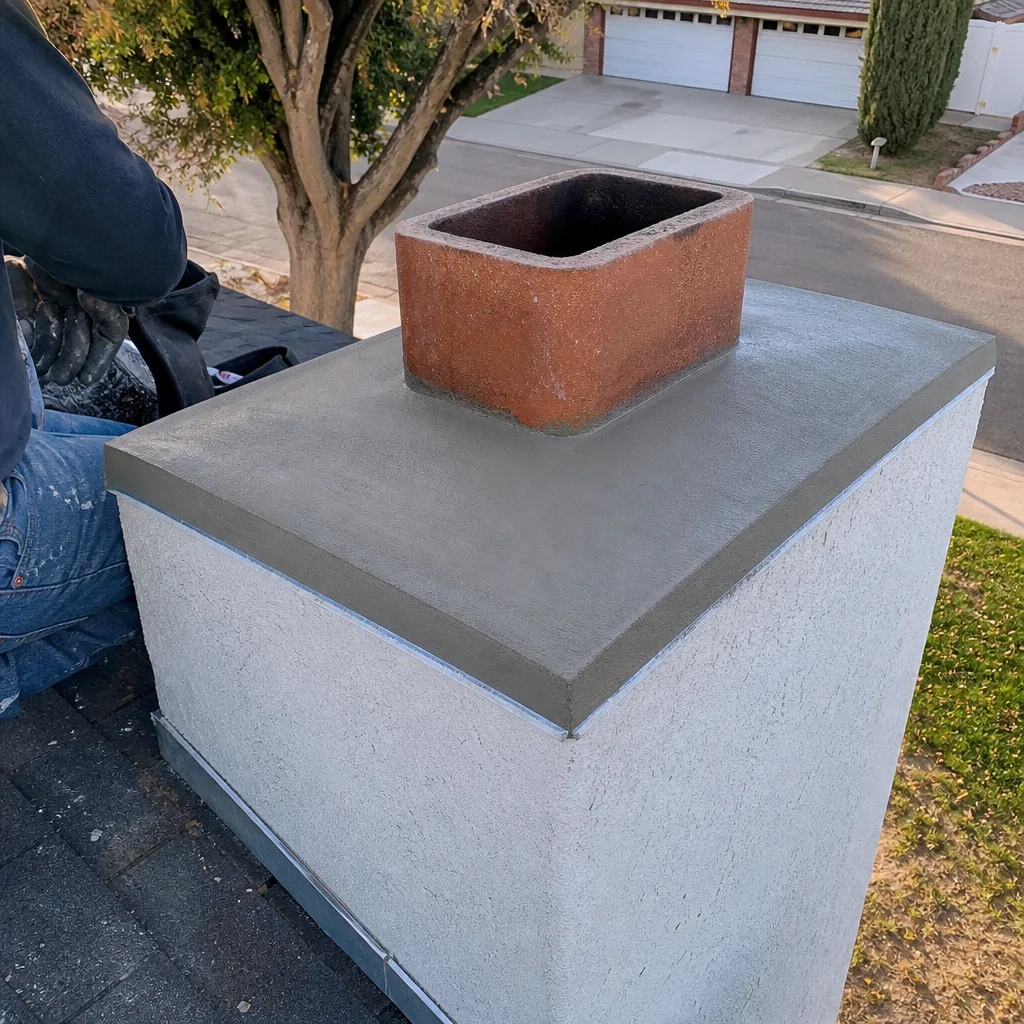 After
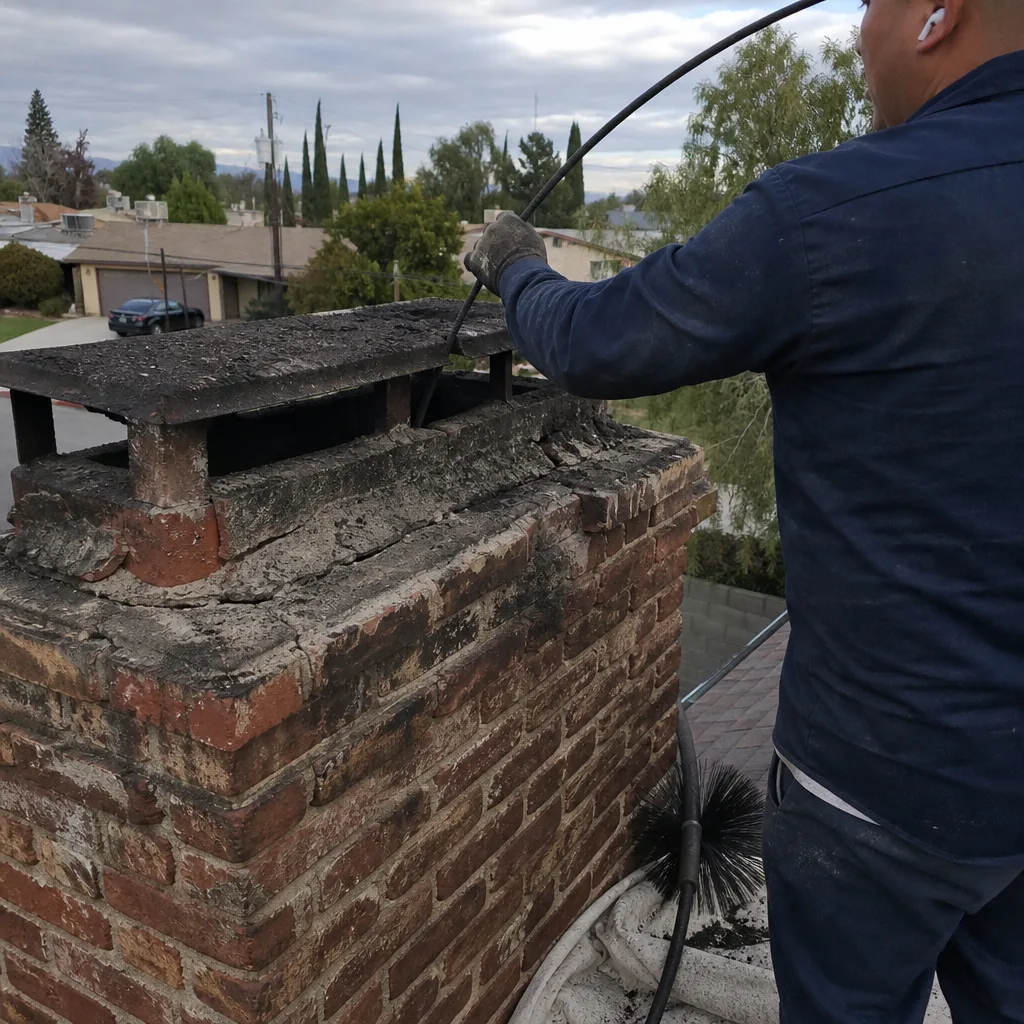 Before
 After
 Before
 After