
Last updated November 2, 2026
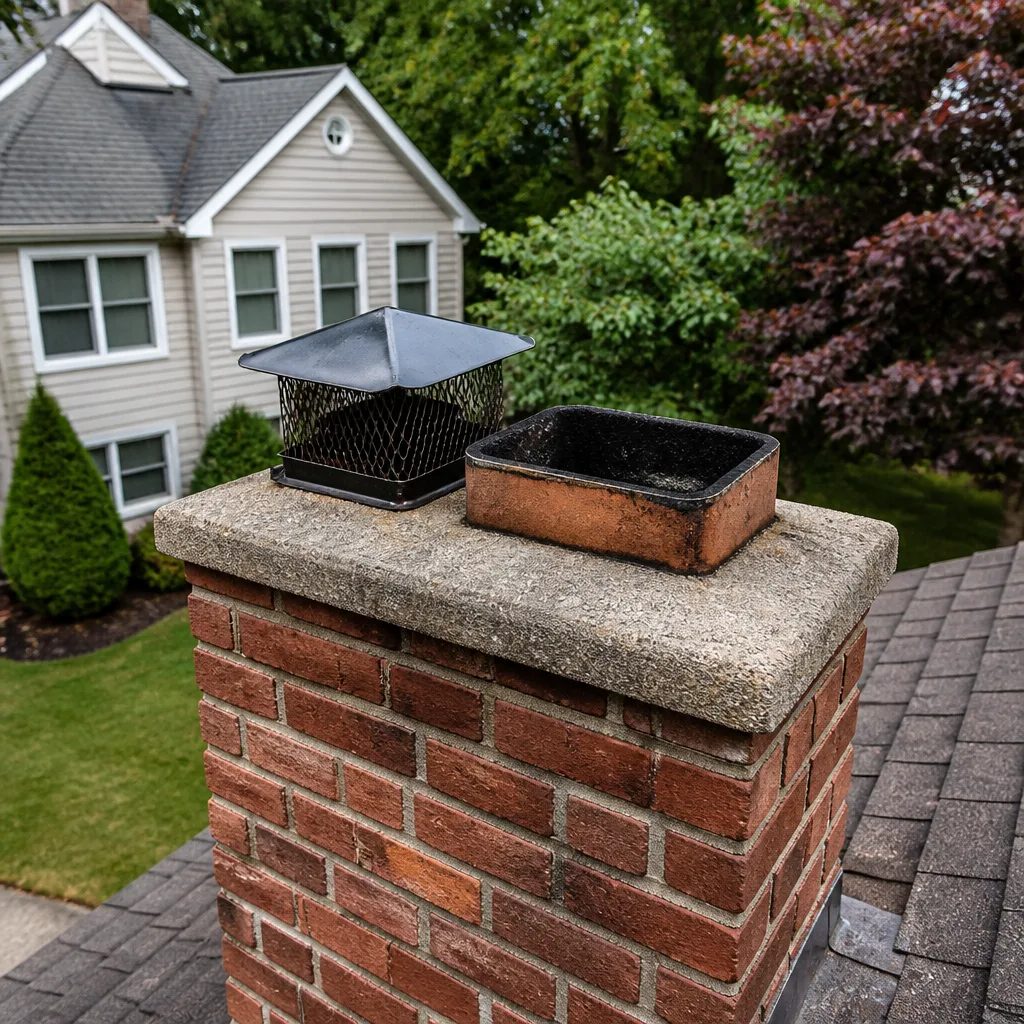 Sweep & inspection
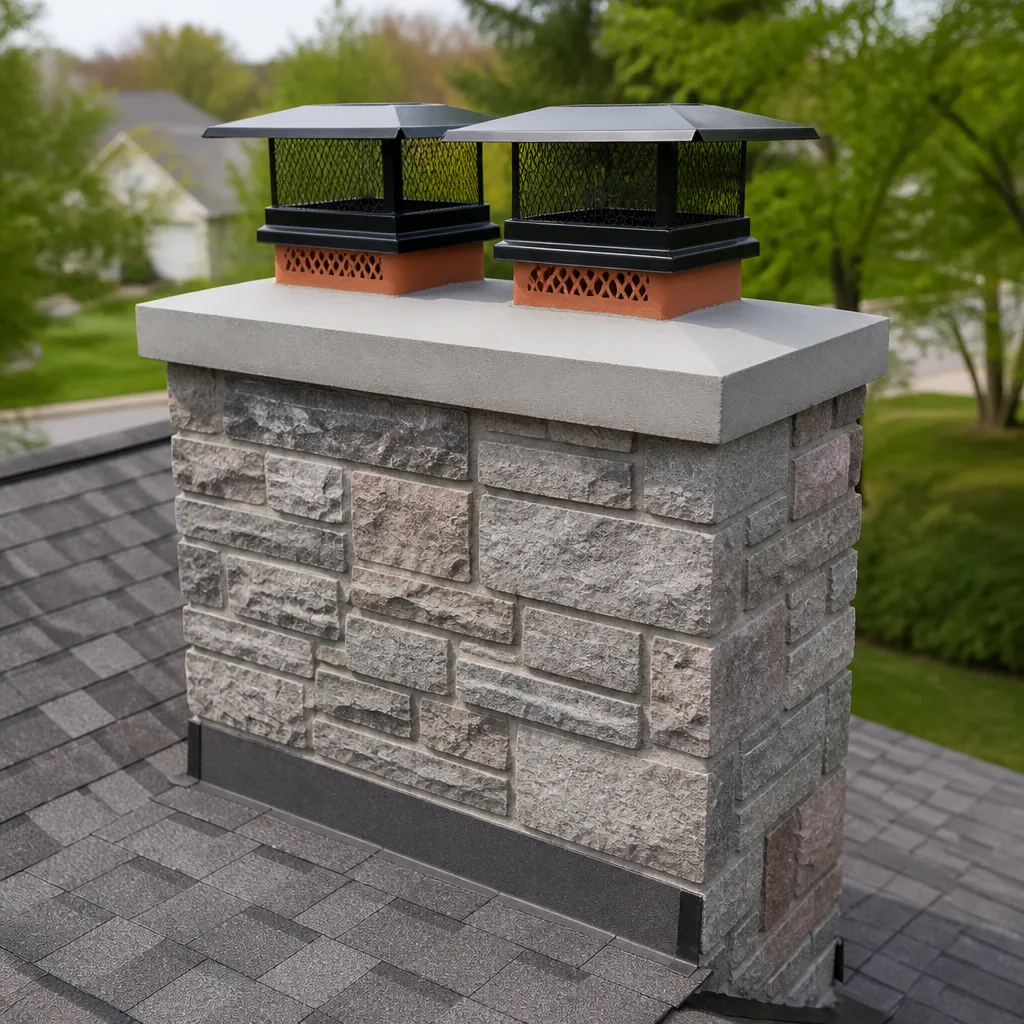 Caps & crowns
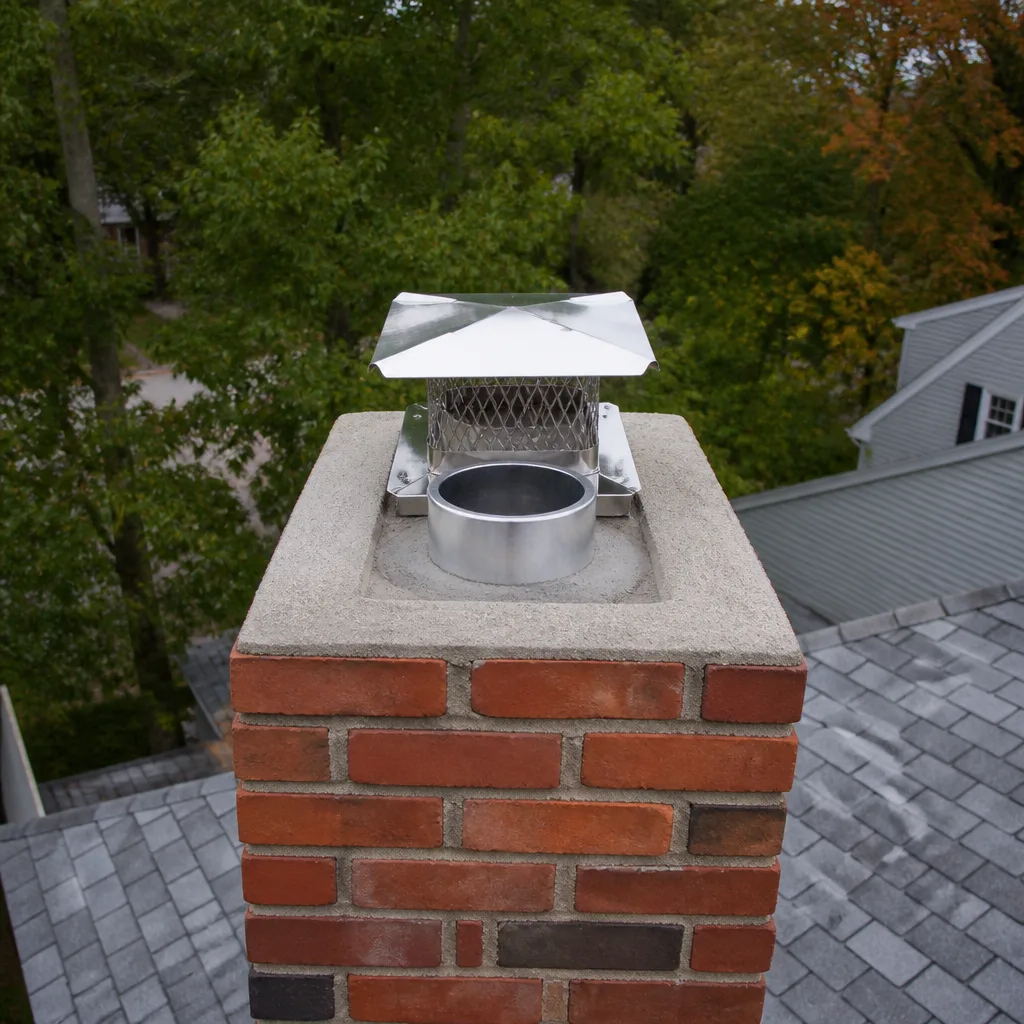 Flue relining
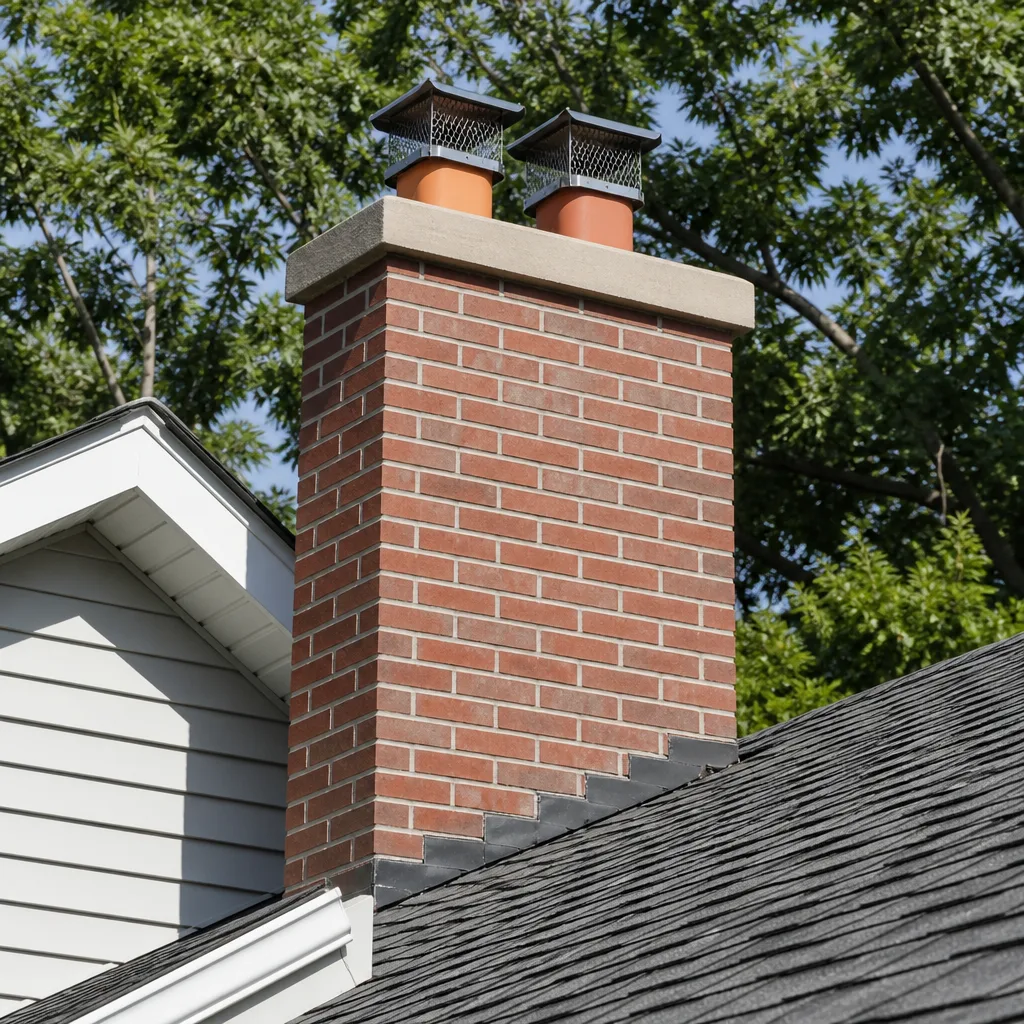 Masonry repair
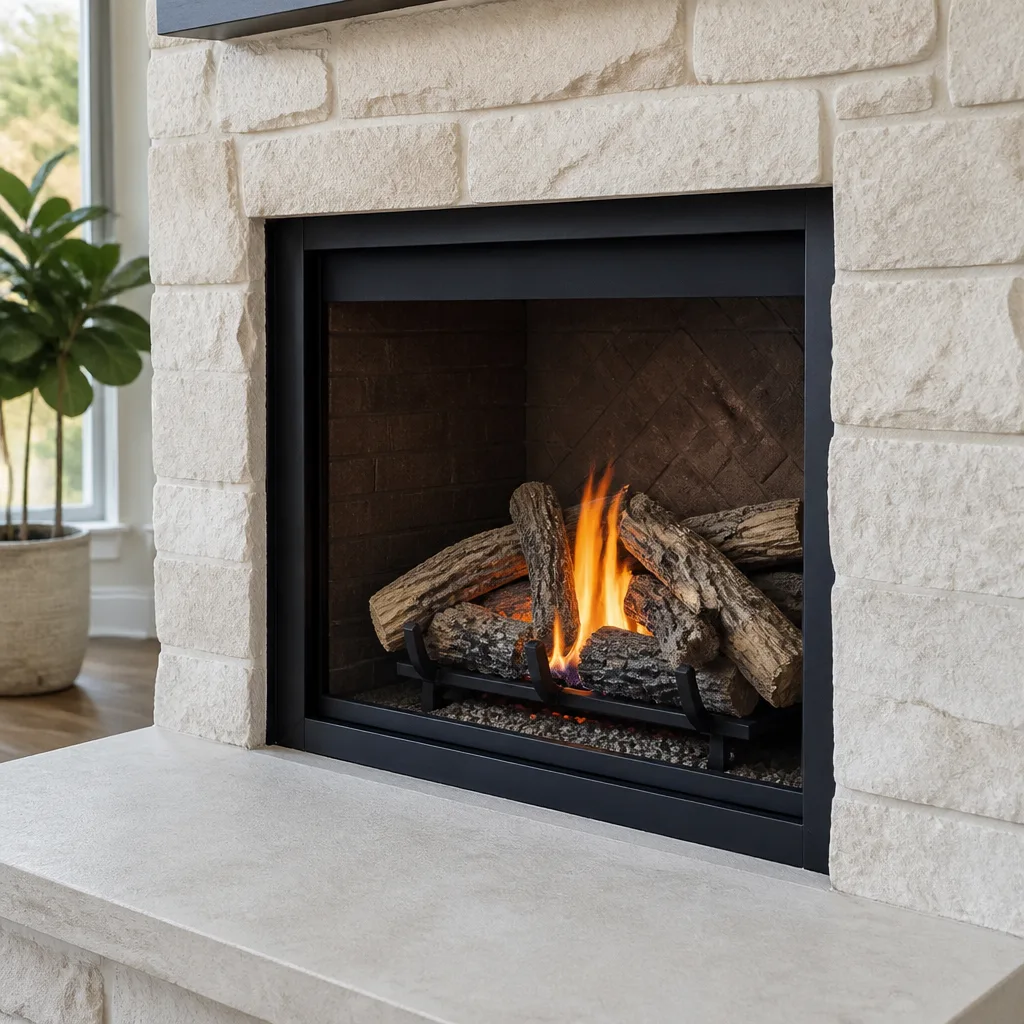 Gas fireplace service
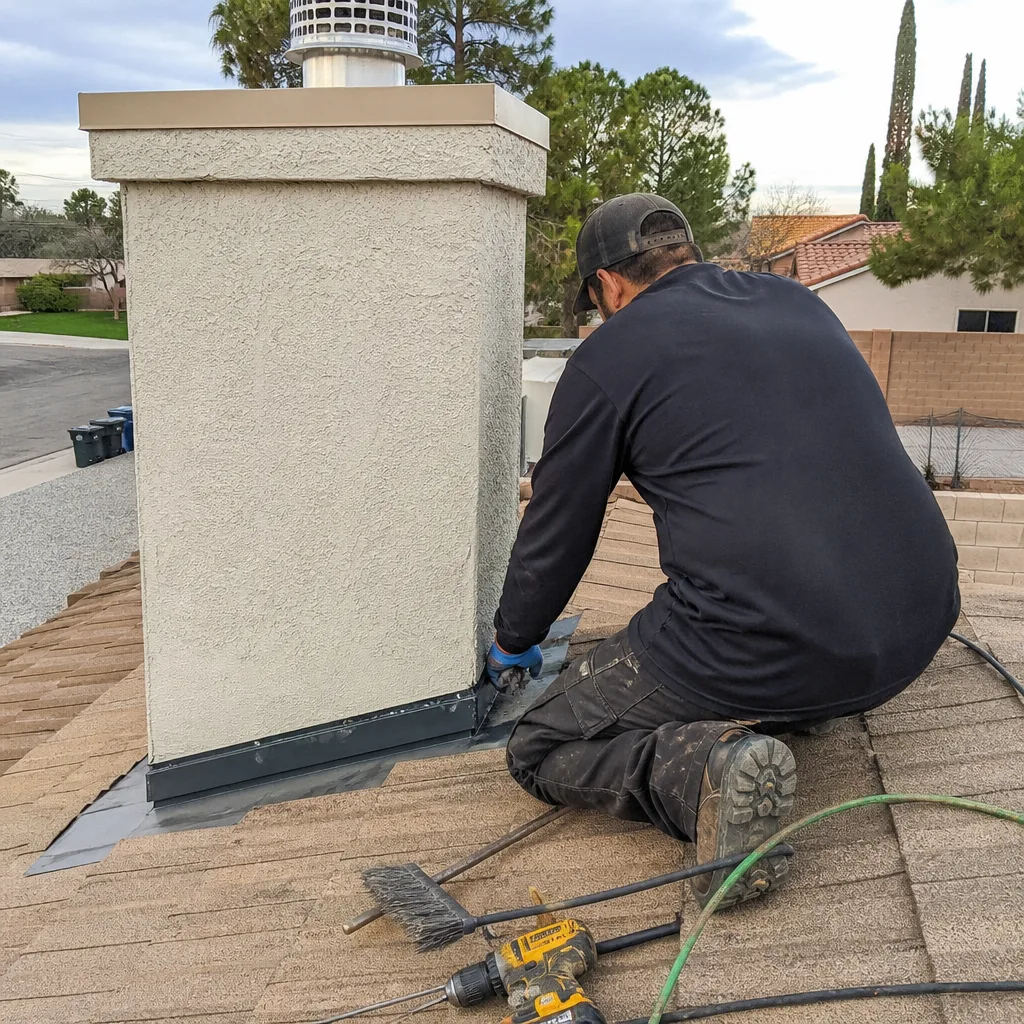
Level 1 sweep and inspection to the NFPA 211 annual standard - flue, crown, cap, and flashing checked and photographed
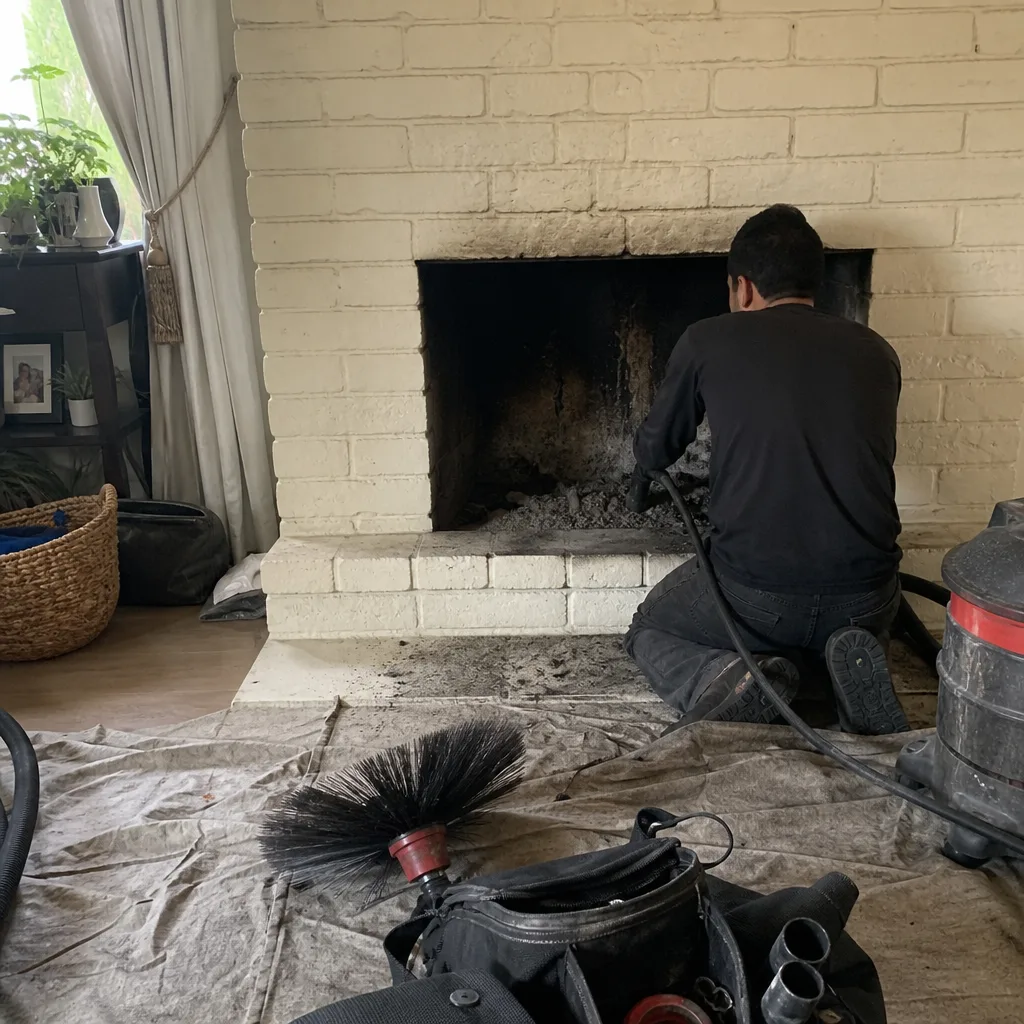
Chimney sweep logs do not sweep chimneys. They loosen some creosote - which then falls where a brush and vacuum still have to collect it.
Chimney Cleaning Cost Breakdown: The Lancaster Homeowner’s Reference for 2026
A $99 chimney cleaning coupon and a $289 chimney cleaning quote can both be completely legitimate, or completely misleading, depending on what’s actually included. The number alone tells you almost nothing. In Lancaster’s high-desert climate, where wood-burning fireplaces get heavy seasonal use from October through March, the gap between quotes usually comes down to scope, equipment, and whether the technician actually inspects what they’re cleaning. This guide breaks down exactly what drives chimney cleaning costs in Lancaster in 2026 so you can evaluate quotes on substance, not sticker price, and spot chimney cleaning warning signs before they become expensive problems.
Quick Answer
A standard chimney sweep and Level 1 inspection in Lancaster, CA typically costs between $175 and $350 for a wood-burning fireplace as of 2026, though permits, codes & inspections in CA can affect what’s required. Gas fireplace cleaning and inspection runs $150 to $250, and prefab chimney systems fall in the $160 to $280 range. The variance depends on chimney type, creosote buildup level, accessibility, and whether add-ons like camera inspection or cap installation are included.
Styles & brands we work with
- Sweep & inspection
- Caps & crowns
- Flue relining
- Masonry repair
- Gas fireplace service
Table of Contents
- What a Standard Chimney Cleaning in Lancaster Actually Includes
- Current Chimney Cleaning Price Ranges in Lancaster for 2026
- What Drives the $100 – $400 Spread: Chimney Type and Condition
- Legitimate Add-Ons vs. Point-of-Service Upsells
- Emergency and Same-Day Service Pricing in Lancaster
- How to Compare Two Quotes That Look Different But Aren’t
- Common Mistakes to Avoid
- When to Call a Professional
- Frequently Asked Questions
- The Bottom Line
What a Standard Chimney Cleaning in Lancaster Actually Includes
When you pay for a chimney sweep in Lancaster, you’re paying for two things: the physical removal of creosote and soot, and the technician’s trained eye on your flue system. A proper Level 1 inspection is the standard included component of any legitimate cleaning. Under NFPA 211, the code that governs chimney maintenance, a Level 1 inspection is required whenever the system hasn’t changed since its last service and the homeowner hasn’t reported performance issues. It’s not an upsell. It’s the baseline.
A complete standard cleaning and inspection should include:
- Creosote removal from the flue walls using wire brushes sized to your flue dimensions, not whatever is on the truck
- Soot and debris removal from the smoke chamber and firebox
- Visual inspection of the flue liner, damper, smoke shelf, and firebox for cracks, gaps, or deterioration
- Confirmation that the chimney cap and spark arrestor are intact and unobstructed
- Removal of any animal nests, leaves, or wind-blown debris common in Lancaster’s high-desert environment
- A basic draft check to confirm the chimney pulls air correctly
Anything less than this list is not a full cleaning. If a Lancaster company quotes $99 and the technician spends 20 minutes with a shop vac and calls it done, you didn’t get a chimney cleaning. You got a firebox tidy-up. The flue is where creosote accumulates and where chimney fires start. If nobody touched the flue walls, nothing was cleaned.
In our experience, a legitimate single-flue wood-burning chimney cleaning in Lancaster takes 60 to 90 minutes on a well-maintained system. Heavier buildup or a converted fireplace with an older liner takes longer. Time is the first tell: a technician who is in and out in under half an hour skipped something.
Current Chimney Cleaning Price Ranges in Lancaster for 2026
Lancaster’s chimney service market sits at the intersection of Southern California labor rates and Antelope Valley’s heavy seasonal fireplace use. That means prices run higher than national averages but lower than coastal LA markets. Here’s what we’re seeing on the ground in 2026:
| Service Type | Typical Range | What’s Included |
|---|---|---|
| Wood-burning fireplace sweep + Level 1 inspection | $175 – $350 | Full flue brushing, firebox and smoke chamber cleaning, visual inspection, draft check |
| Gas fireplace or gas insert cleaning + inspection | $150 – $250 | Log set removal, burner cleaning, glass cleaning, venting inspection |
| Prefab/zero-clearance chimney sweep | $160 – $280 | Factory-built flue brushing, cap check, Level 1 inspection |
| Two-story chimney access (roof pitch or height premium) | $50 – $100 add-on | Additional labor and safety equipment for steep or tall roof access |
| Heavy creosote removal (Level 2 or 3 glaze buildup) | $75 – $150 add-on | Chemical treatment or extended mechanical removal for baked-on creosote |
| Chimney cap supply and installation | $120 – $300 | Stainless steel cap, spark arrestor, mounting hardware, labor |
| Video camera flue inspection | $75 – $150 when bundled with sweep, $150 – $250 standalone | Full interior flue recording for liner condition assessment |
These ranges reflect Lancaster’s 2026 market for a licensed, insured chimney specialist. A handyman with a brush might charge less. A company that subcontracts to general laborers might charge less. The question is what you’re trading away.
Lancaster’s winter temperature swings, from freezing nights to 60-degree days, cause thermal expansion in masonry that accelerates liner wear. That’s a local factor many national cost guides miss. Homes in the Quartz Hill and West Lancaster areas with original 1980s and 1990s masonry fireplaces often have flues that need more than a basic sweep. If a quote seems high, ask whether the technician anticipates heavier buildup or liner scrutiny based on local conditions. That’s a fair question and an honest company will answer it.
What Drives the $100 – $400 Spread: Chimney Type and Condition
Two Lancaster homes on the same street can have wildly different chimney cleaning needs. Here’s what actually changes the number on your estimate:
Masonry Wood-Burning Chimneys
These are the traditional brick-and-mortar systems with a clay tile liner. They’re the most common in Lancaster’s older housing stock, particularly in neighborhoods built before 2000. Masonry chimneys run the highest cleaning costs because they have the most surface area for creosote to cling to, and older clay liners often have hidden cracks that require a more careful inspection. Creosote buildup in these systems can be dramatic if the previous owner burned unseasoned wood or never swept the chimney during years of regular use.
Prefab / Factory-Built Chimneys
Factory-built fireplaces have a metal flue system that’s often round and smoother than masonry tile. Cleaning is typically faster and less labor-intensive, but these systems require more care during brushing because the metal liner is thinner and can be dented by aggressive techniques. Prefab chimneys also have a shorter total lifespan: many of Lancaster’s 1990s-era prefab units are reaching the end of their service life, which means a cleaning call may turn into a repair conversation. That’s not a scare tactic. It’s what a responsible inspection discovers.
Gas Fireplaces and Inserts
Gas systems don’t produce creosote, but they still need annual servicing. The cleaning here is about soot on the glass and logs, dust in the burner ports, and ventilation verification. Carbon monoxide, not chimney fire, is the primary risk with a gas unit. In Lancaster, where many homeowners converted wood-burning fireplaces to gas inserts over the past 15 years, these services have become a growing share of what a company like ours sees. A gas fireplace that hasn’t been serviced in several years may need more than a standard cleaning: burner disassembly, thermocouple testing, and venting inspection all take time.
Condition and Creosote Severity
Creosote comes in three stages. Stage 1 is flaky soot that brushes off easily. Stage 2 is crunchy, granular buildup that looks like coffee grounds and requires more physical work. Stage 3 is the dangerous one: a hard, glossy glaze that’s also highly flammable. Stage 3 removal often requires chemical treatment or extended mechanical effort, and that’s a legitimate add-on cost. If your chimney hasn’t been cleaned in more than two burning seasons, expect to pay at the higher end of the Lancaster range, regardless of chimney type.
Legitimate Add-Ons vs. Point-of-Service Upsells
Not every additional line item on a chimney estimate is a scam. Some are genuinely important. The skill is knowing the difference between a real recommendation and a reheated sales script.
Legitimate Add-Ons Worth Paying For
- Camera inspection: When a technician can’t visually confirm liner integrity from the roof access point, a video inspection is the only way to see what’s happening inside the flue. This is especially important for Lancaster homes built before 2000, where original clay liners may be cracked or spalling. We use camera inspection as a diagnostic tool, not a revenue line: if we see a problem, you see the footage yourself.
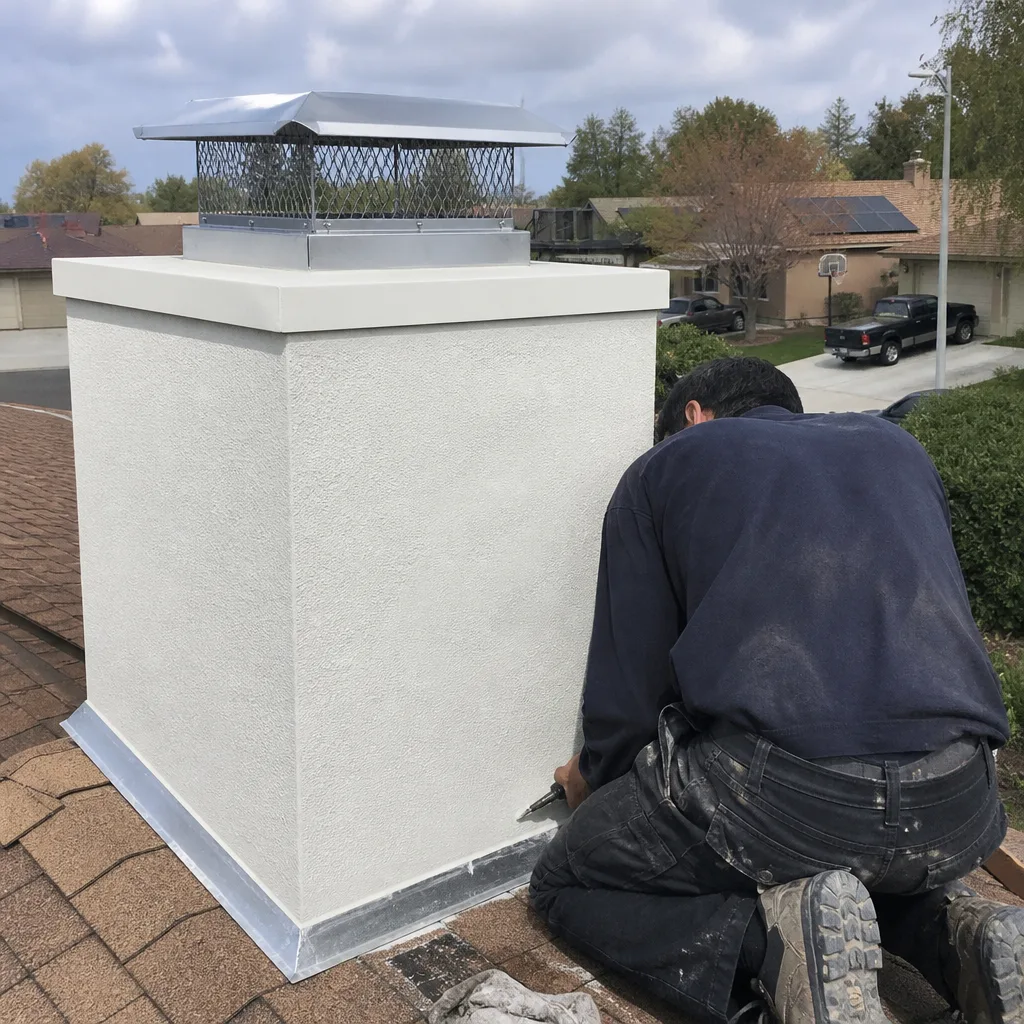
- Chimney cap replacement: Lancaster’s wind is a real factor. The Antelope Valley’s consistent afternoon winds carry dust, leaves, and debris that can clog a chimney. A missing or damaged cap is a genuine defect that leads to animal entry, water damage, and blocked airflow. Replacing it during a cleaning is cost-effective because the technician is already on the roof.
- Heavy creosote treatment: Stage 3 glaze buildup legitimately requires more labor and sometimes chemical assistance. This isn’t a made-up problem. It’s the single biggest predictor of chimney fires in wood-burning systems.
- Smoke chamber parging: If the smoke chamber walls are rough or gapped, smoke can leak through and make its way into the home. Smoothing and sealing this area is a real repair that improves both safety and performance. It’s not part of a standard cleaning, but it’s often discovered during one.
Common Point-of-Service Upsells to Question
- “Your damper needs replacing immediately”: A damper that’s a bit rusty or stiff can often be lubricated and exercised rather than replaced. If a technician pushes replacement without showing you the specific defect, get a second opinion.
- “You need a full liner replacement” without camera evidence: A flue liner is a structural component. Replacing it is a $2,500+ job in Lancaster. No one should recommend that without camera footage you can see for yourself. HeatShield restoration and DuraFlex relining are legitimate liner solutions we use regularly, but we recommend them based on documented evidence, not on a hunch from the rooftop.
- “Waterproofing is urgent”: Chimney waterproofing is a genuine service in Lancaster’s climate, where rare but intense rain events can saturate brick. But urgency should be tied to evidence: visible efflorescence, spalling brick, or interior moisture stains. Not a generic “rains are coming” pitch.
- Discounted cleaning that requires a “free inspection” first: The inspection should be included. If a company advertises a very low sweep price and then requires an additional paid inspection before the work, the original price was bait.
The test is simple: a legitimate recommendation comes with evidence you can see. A legitimate company shows you the camera footage, walks you through what the cap looks like from the roof, and explains why a repair matters using your chimney’s actual condition, not a generic script.
Emergency and Same-Day Service Pricing in Lancaster
Emergency chimney service in Lancaster is rarely about spur-of-the-minute crises. Unlike a plumbing leak or a broken furnace, a chimney problem usually announces itself over time: a smell, a draft reversal, a small puff of smoke in the living room. Most chimney “emergencies” in Lancaster fall into two categories.
The first is a suspected chimney fire. If you’ve had a chimney fire, even a small one that burned itself out, the system needs inspection before it’s used again. The National Fire Protection Association requires a Level 2 inspection after any chimney fire, which involves interior and exterior examination plus accessible attic and crawlspace review. This costs more than a standard cleaning: expect $250 to $500 in Lancaster for a post-fire Level 2. It’s non-negotiable. A chimney that’s survived a fire may have cracked tiles, damaged mortar, or compromised metal components, and the next fire could breach the structure.
The second is an animal in the chimney. Lancaster’s residential areas share space with birds, squirrels, and the occasional raccoon, and the Antelope Valley’s nesting season from March through June makes animal entry common. A live animal in the chimney is a genuine same-day call. Specialized removal may be needed, and after the animal is out, the chimney needs cleaning and a cap installation to prevent recurrence. This type of call typically runs $200 to $350 above standard cleaning rates due to the complexity and the cap work it almost always requires.
Same-day service from a Lancaster chimney specialist isn’t a premium upsell in the same way it is with other trades. Most cleaning-only calls can be booked within a few days, and the only reason to pay a premium for faster service is if you have a specific safety concern: smoke entering the living space, a known animal problem, or visible chimney damage after a windstorm. In those cases, the expedited fee, typically $50 to $100, is cheap insurance against a worsening condition.
How to Compare Two Quotes That Look Different But Aren’t
You’ve called two Lancaster chimney companies. One quoted $189. The other quoted $329. The assumption is that the cheaper one is the better deal. That’s often backwards. Here’s how to line up the two estimates and see what’s actually different:
- Compare the written scope line by line. Does the lower quote include flue brushing, smoke chamber cleaning, and a Level 1 inspection? Or does it just say “sweep”? A quote that says “chimney cleaning” without detailing the flue, smoke chamber, and firebox is incomplete. The $189 quote may be for 30 minutes of firebox work, while the $329 quote covers the full system. They’re different services with the same label.
- Check for inspection inclusion. A chimney cleaning without an inspection is like an oil change without checking the filter. If a quote excludes inspection, the technician may not even look at the liner. You’re paying less because you’re getting less. In Lancaster, where many homes are older and liners are at the age where defects appear, skipping the inspection is a false economy.
- Ask about the technician’s scope of work. Does the person coming to your house work exclusively on chimneys and vents, or is this one of a dozen services the company offers? A specialist sees hundreds of chimney systems a year and knows what a problem looks like. A generalist sees a range of systems and may miss subtle warning signs. This isn’t about credential-dropping. It’s about how much relevant experience is standing on your roof.
- Check what the quote says about materials and parts. If the estimate includes a cap, is it a stainless steel cap sized to your flue, or a generic one from a hardware aisle? We install components from professional-grade brands like Olympia Chimney and Famco because they’re built to last in high-desert conditions. A cheaper cap that rusts out in three Lancaster winters costs more in the long run than the good one.
- Look for repair escalation language. Does the quote include language like “additional charges may apply if excessive creosote or damage is found”? That’s normal and honest: no one can perfectly predict chimney condition from a phone call. But ask what triggers those additional charges and what the typical range is. A company that charges $50 extra for Stage 2 creosote is different from one that charges $300 extra for “unspecified complications.”
- Confirm what happens if the technician finds a problem. A company that can show you camera footage and explain repair options on the spot, including repair-don’t-replace options like HeatShield liner restoration, is giving you more useful information than one that tells you “it’s bad” and sends a replacement quote without evidence.
The goal isn’t the cheapest quote. It’s the quote that tells you exactly what you’re paying for, from a company that can demonstrate the condition of your chimney when the work is done. In Lancaster’s market, that typically lands between $175 and $350 for a standard wood-burning system. If your quote is below that with full scope, you’ve found a deal. If it’s below that without scope, keep calling.
Common Mistakes to Avoid
- Hiring based on the lowest coupon price. A $79 sweep special in Lancaster is either a loss leader with aggressive upsell pressure or an incomplete service. Either way, the total cost at the end is rarely $79.
- Skipping inspection because “the fireplace works fine.” Creosote accumulates invisibly, and a cracked liner doesn’t announce itself until smoke, carbon monoxide, or fire makes it obvious. A fireplace that “works” can still be a hazard.
- Assuming gas fireplaces don’t need service. Gas systems don’t produce creosote, but they can produce carbon monoxide if burners get clogged or ventilation gets blocked. Lancaster homeowners who switched to gas inserts often assume they’re maintenance-free. They’re not.
- Accepting a liner replacement recommendation without seeing camera footage. In our experience, many Lancaster chimneys with cracked liners can be restored rather than fully replaced. HeatShield restoration, where the existing liner is repaired in place, often costs significantly less than a full tear-out. But you can’t evaluate that option unless you know the actual condition, and you can’t know the condition without seeing the camera evidence.
- Waiting until burning season to schedule. Lancaster chimney companies are busiest from October through December, meaning longer wait times and, in some cases, seasonal pricing pressure. Scheduling in spring or summer gets the same service with more scheduling flexibility.
- Not asking about cap condition during the cleaning. A technician is already on your roof. If the cap is missing or damaged, a qualified professional will mention it. If they don’t, ask. A $150 cap installed during a cleaning is much cheaper than repairing the water damage or removing the raccoon six months later.
When to Call a Professional
Some situations simply don’t have a DIY alternative. If you see smoke entering the room when the fireplace is lit, call a professional before using the fireplace again: that’s a draft or liner problem, and it can mean carbon monoxide is going somewhere it shouldn’t. If you hear scratching or animal sounds in the chimney, call before the animal dies in there or chews through something structural. If you’ve burned more than a cord of wood since the last cleaning, or the chimney hasn’t been touched in two or more years, the safe move is a cleaning and inspection before the next fire. And if your dryer vent hasn’t been cleaned in a year or more, that’s a separate fire risk worth addressing: a clogged dryer vent is a leading cause of residential fires in Lancaster and everywhere else. Chimney Sweep in Lancaster services are available year-round. Chimney Cleaning Lancaster offers free estimates in Lancaster, call (877) 376-0565 to schedule.
Frequently Asked Questions
A standard wood-burning chimney sweep with Level 1 inspection in Lancaster costs $175 to $350 as of 2026. Gas fireplace cleaning runs $150 to $250, and prefab systems fall between $160 and $280. Factors that push the price higher include two-story access, heavy creosote buildup, and the need for camera inspection. For an exact quote on your specific chimney, call (877) 376-0565 for a free estimate.
The National Fire Protection Association recommends annual inspection and cleaning as needed, and a chimney should be swept whenever creosote buildup reaches 1/8 inch. For Lancaster homeowners who burn wood regularly through the fall and winter, once per year is the right cadence. Occasional burners with gas inserts can often go two years between cleanings, but the annual inspection should still happen.
Not necessarily. A cracked or deteriorated liner is a real problem, but replacement isn’t the only option. HeatShield restoration repairs existing liners in place and is often viable if the damage isn’t catastrophic. We also use DuraFlex flexible liner systems for full relining when replacement is required. Before accepting any liner recommendation, ask for camera footage of the damage. If a company won’t show you the evidence, get a second opinion. For more on liner options, see our Chimney Repair in Lancaster page.
Creosote builds up on the flue walls, and creosote is flammable. A creosote fire can reach 2,000 degrees and crack liners, warp metal components, and spread into the home’s structure. Even without a fire, heavy buildup restricts airflow and can send smoke and carbon monoxide into the living space. It’s not a gradual performance issue. It’s a compounding hazard. Call (877) 376-0565 to get on the schedule before burning season.
Yes, dryer vent cleaning is a standalone safety service, not an upsell. Lint is highly combustible, and a clogged dryer vent is one of the most common causes of residential fires in the United States. We treat Dryer Vent Cleaning in Lancaster as its own service because that’s what it is: a separate fire prevention measure that deserves the same care and expertise as chimney work. Most homes need dryer vent cleaning every one to two years.
The spread comes from scope, not market chaos. A company that charges less is doing less: skipping the inspection, skipping the smoke chamber, using the wrong brush size, or rushing the job. A company that charges more should be able to show you exactly why the extra money is needed, whether that’s heavy creosote, roof access difficulty, or a legitimate repair recommendation supported by camera evidence. Comparing quotes on scope, not price, is the only way to make an honest comparison.
The Bottom Line
Chimney cleaning costs in Lancaster for 2026 range from $175 to $350 for a proper wood-burning system sweep with inspection, with gas and prefab systems running slightly less. The single most important thing you can do when comparing quotes is read the scope line by line, because a $99 sweep and a $289 sweep are rarely the same service. Legitimate add-ons like camera inspection and cap replacement are worth paying for, but no repair recommendation should ever come without evidence you can see. Schedule annually, ask for itemized estimates, and call (877) 376-0565 for a free, no-pressure quote from a specialist who works exclusively on chimneys and vents. Visit the Chimney Cleaning Lancaster home page to learn more about our services.
Written by the team at Chimney Cleaning Lancaster, serving Lancaster since 2013.
See the difference
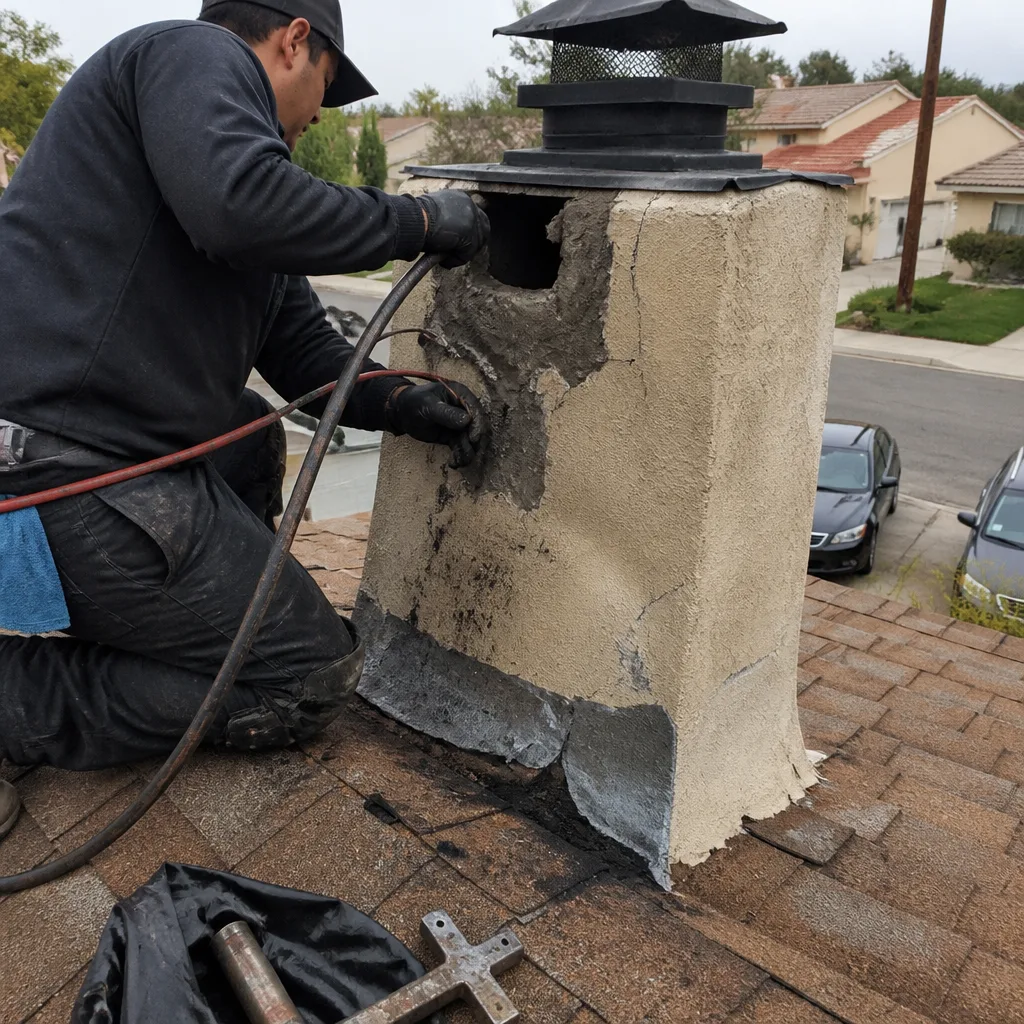 Before
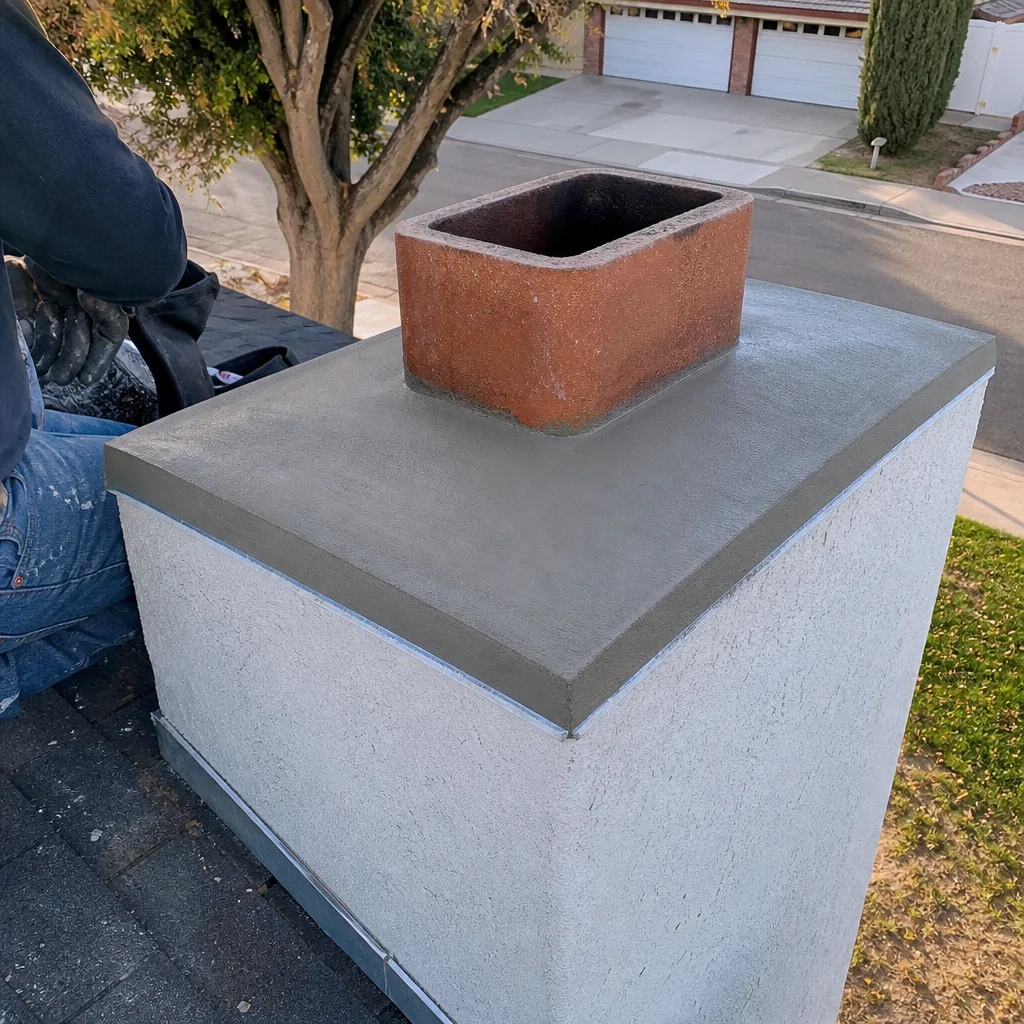 After
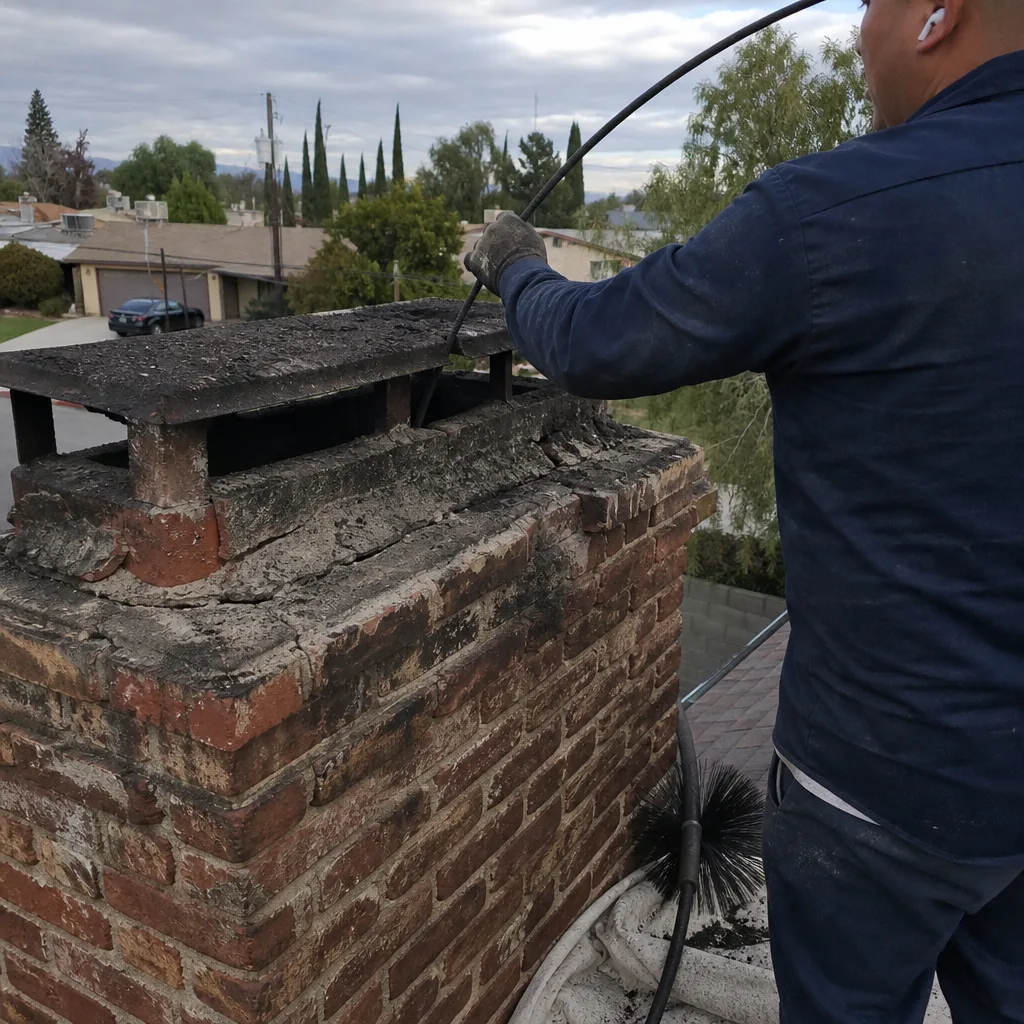 Before
 After
 Before
 After