
Last updated November 2, 2026
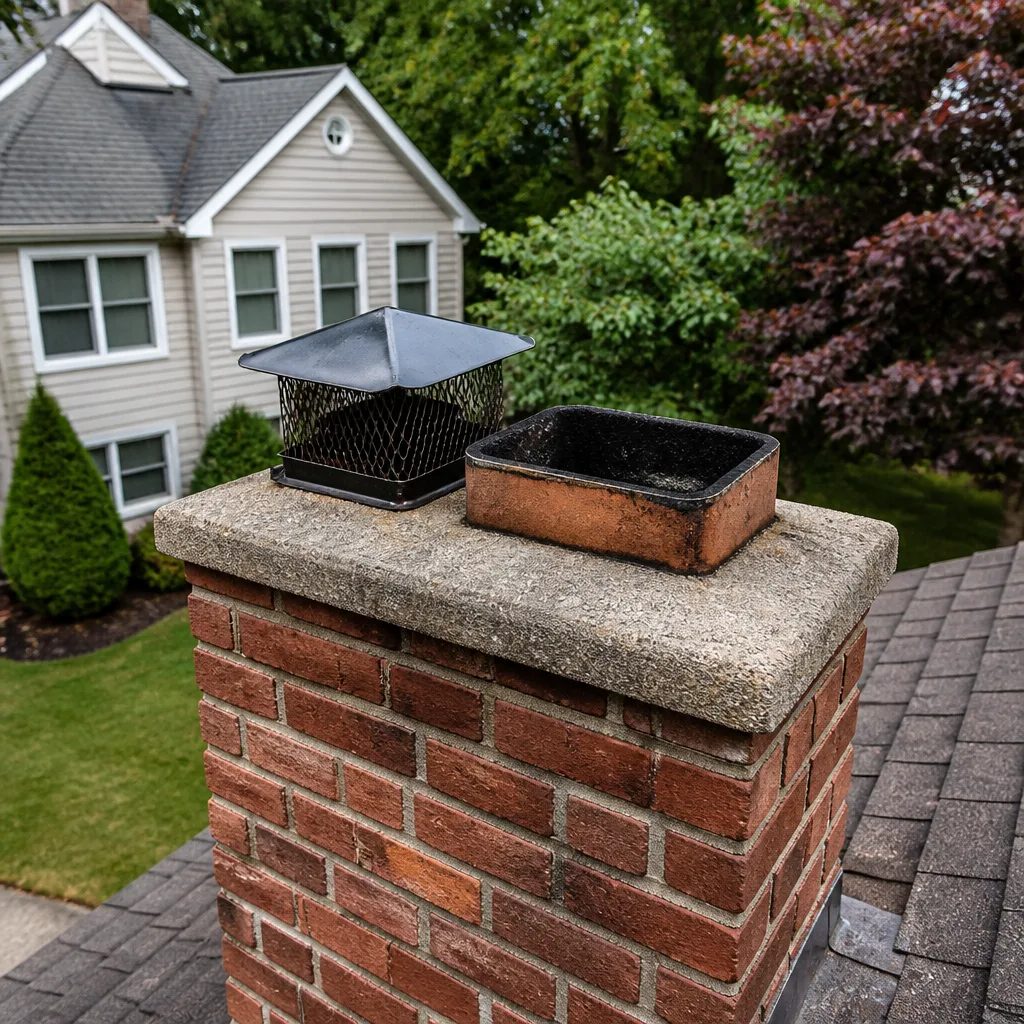 Sweep & inspection
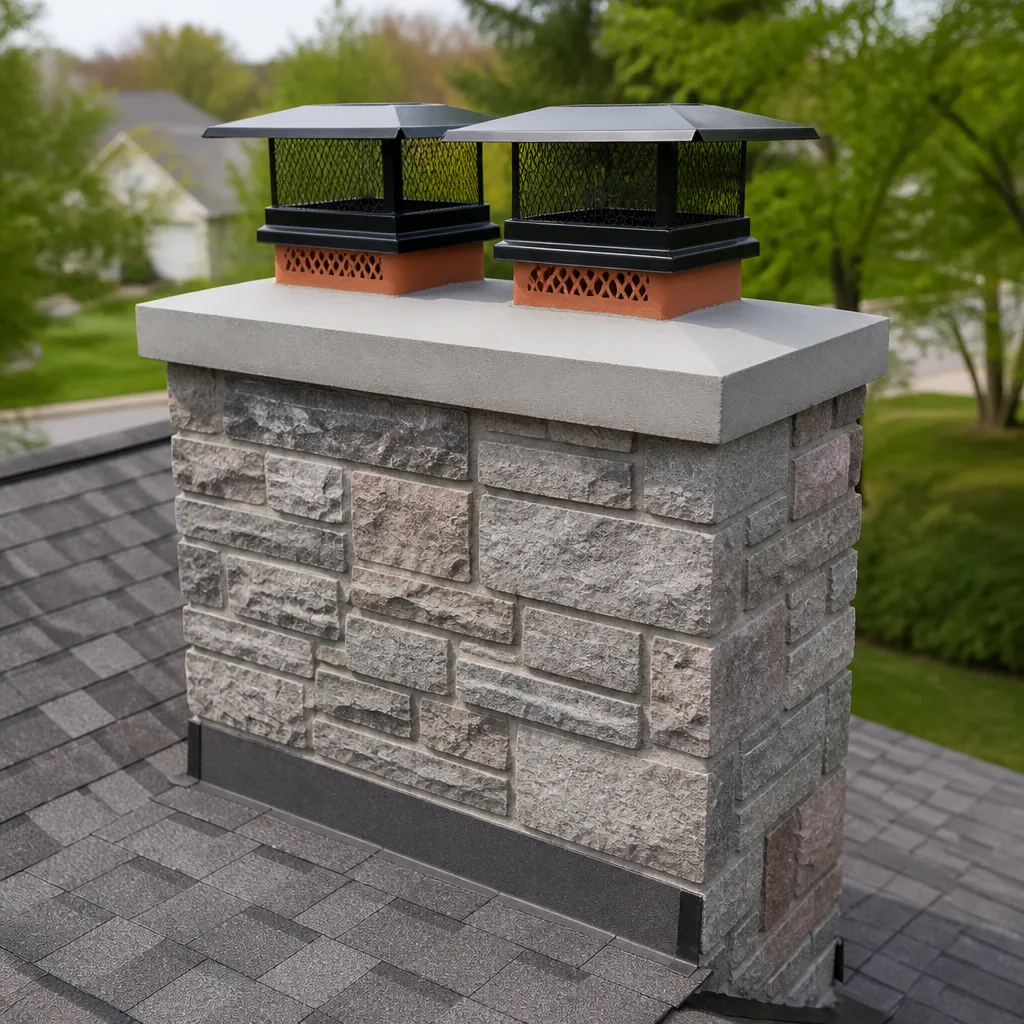 Caps & crowns
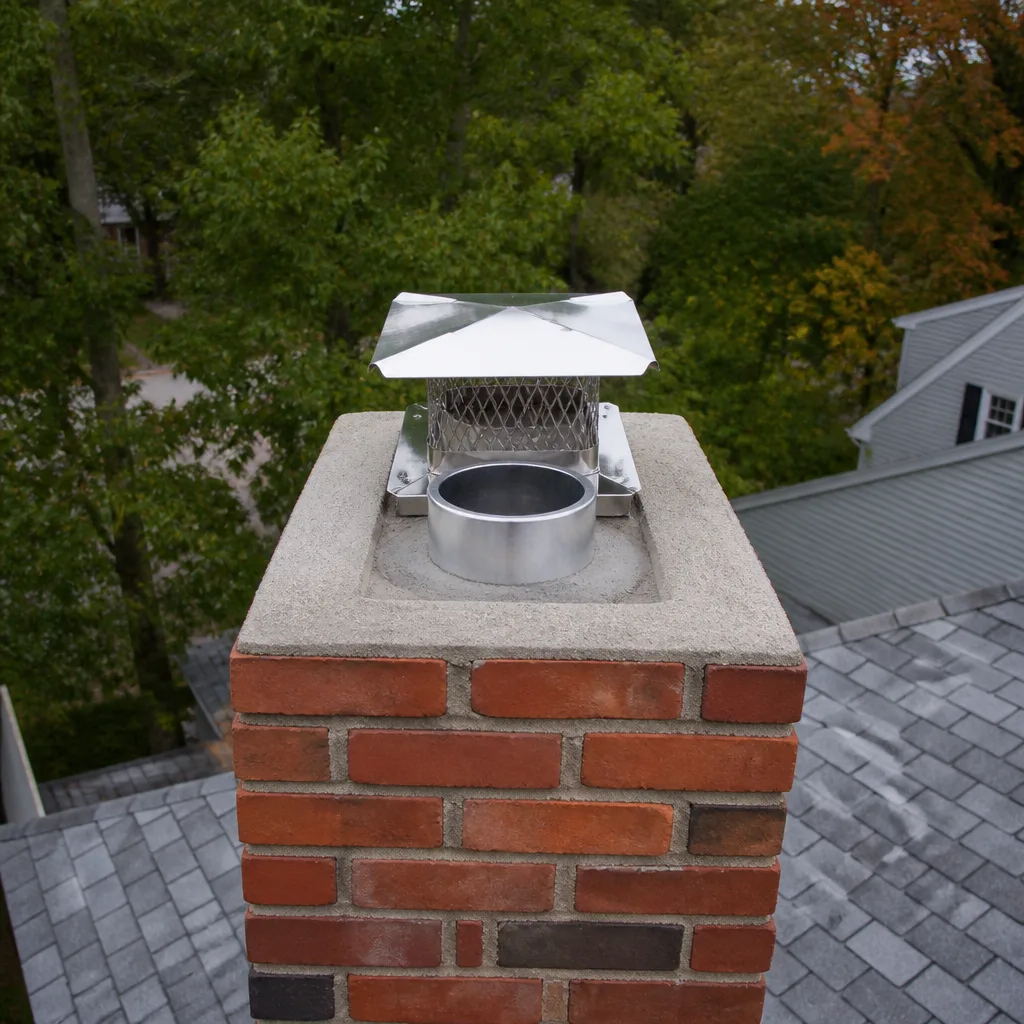 Flue relining
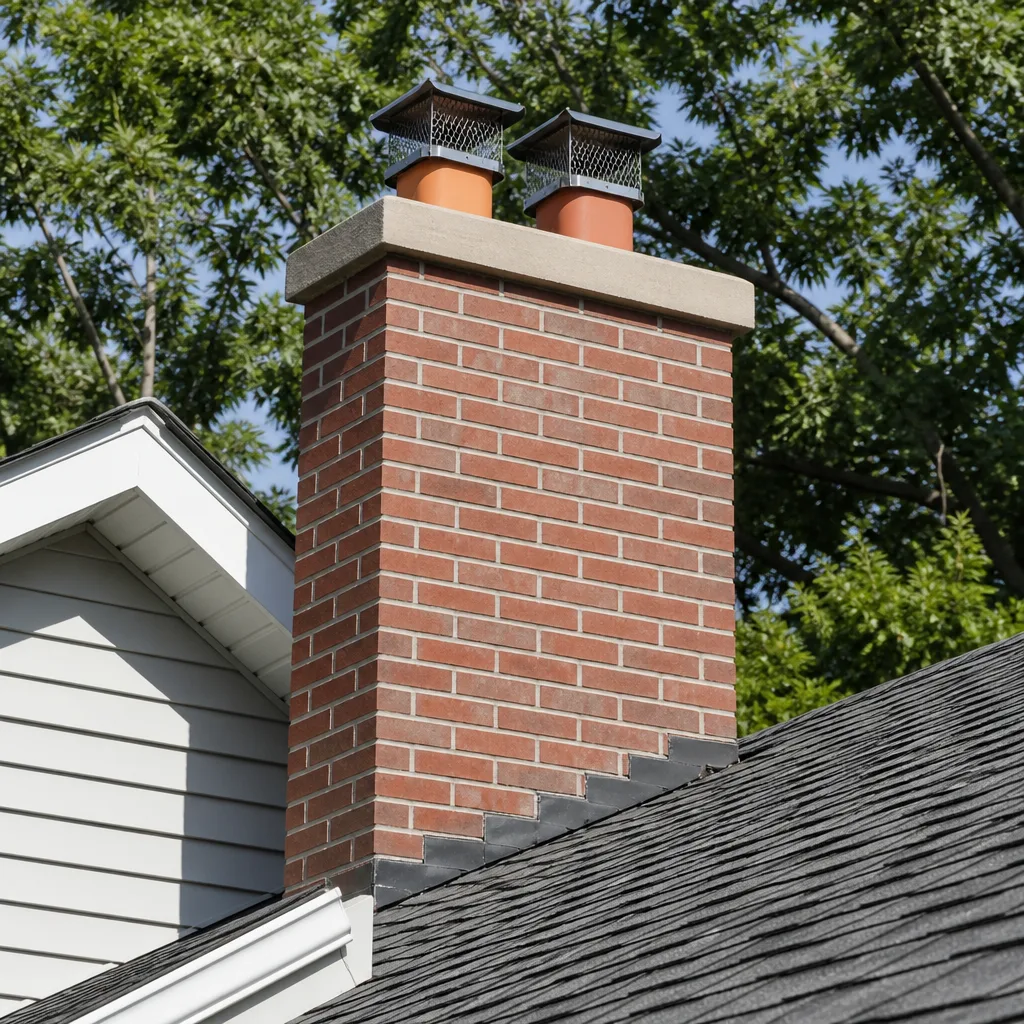 Masonry repair
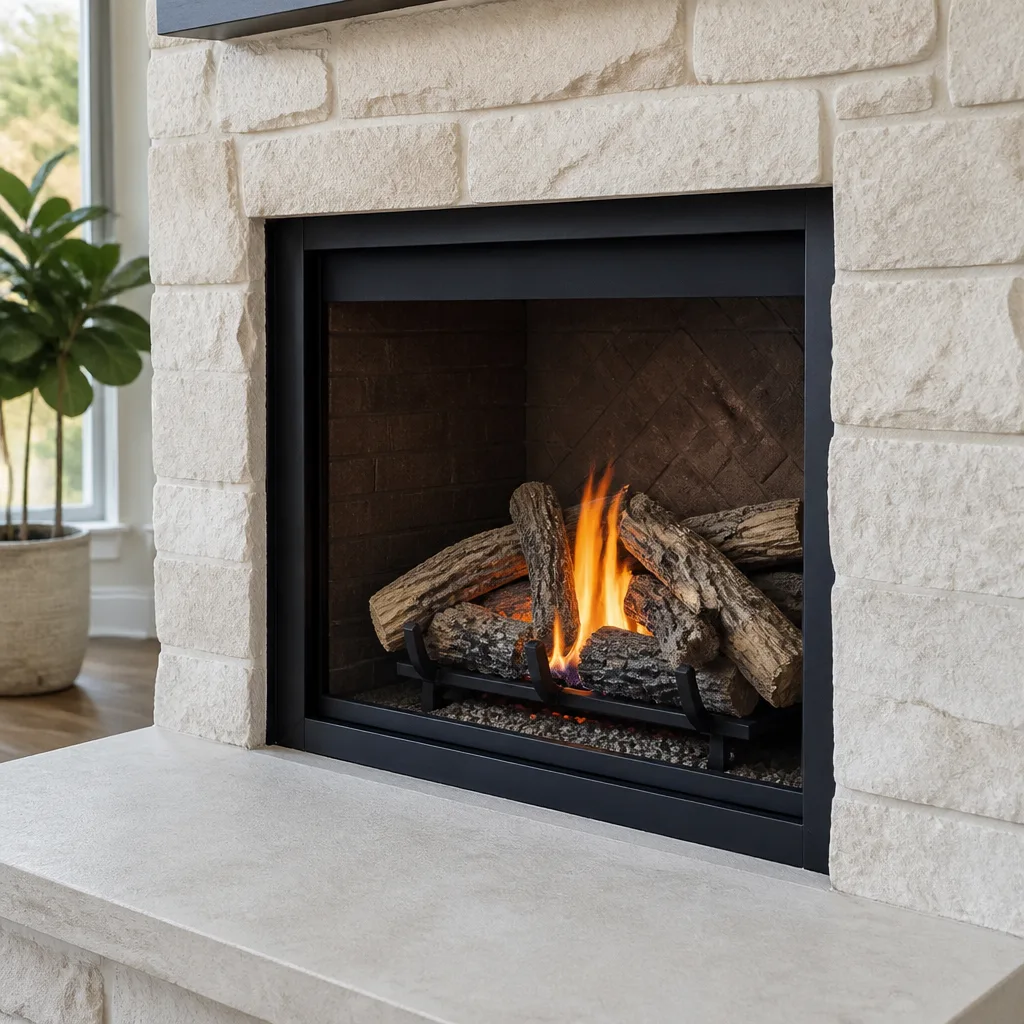 Gas fireplace service
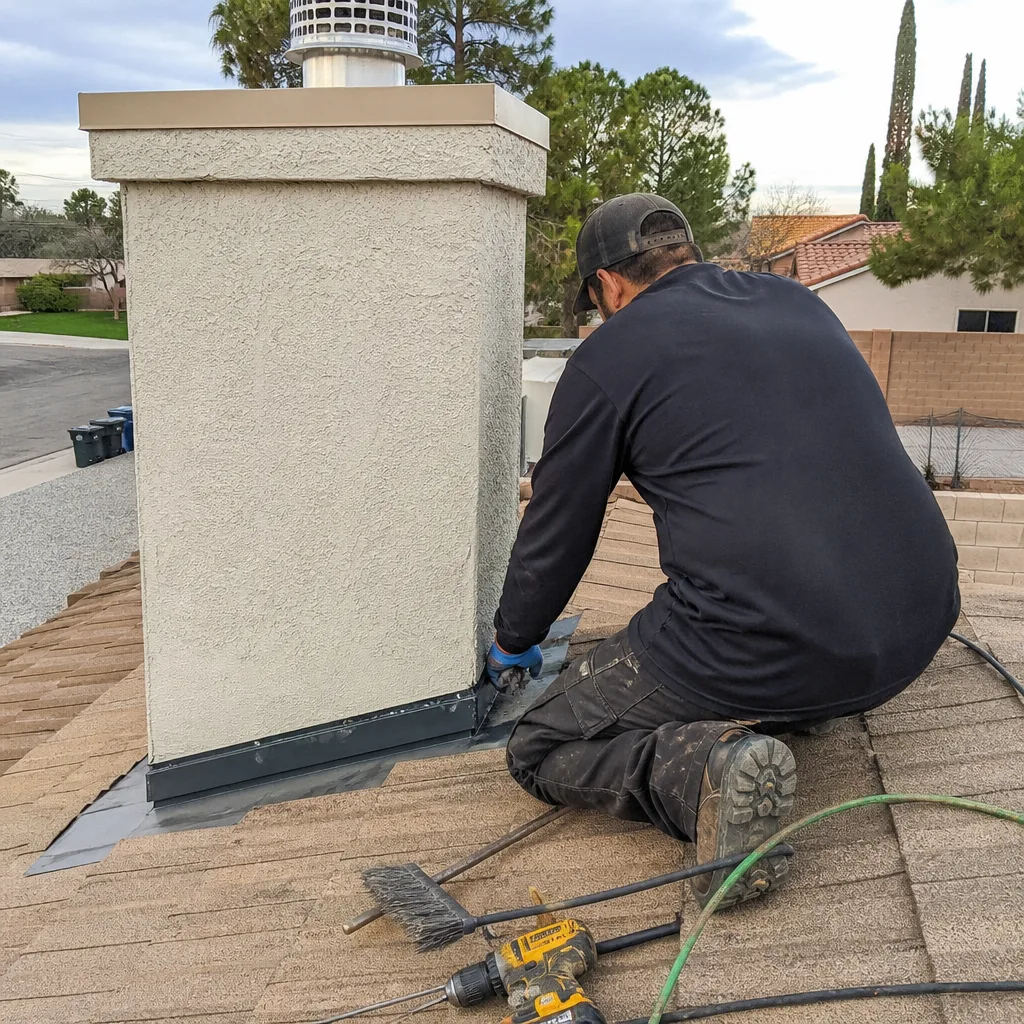
Level 1 sweep and inspection to the NFPA 211 annual standard - flue, crown, cap, and flashing checked and photographed
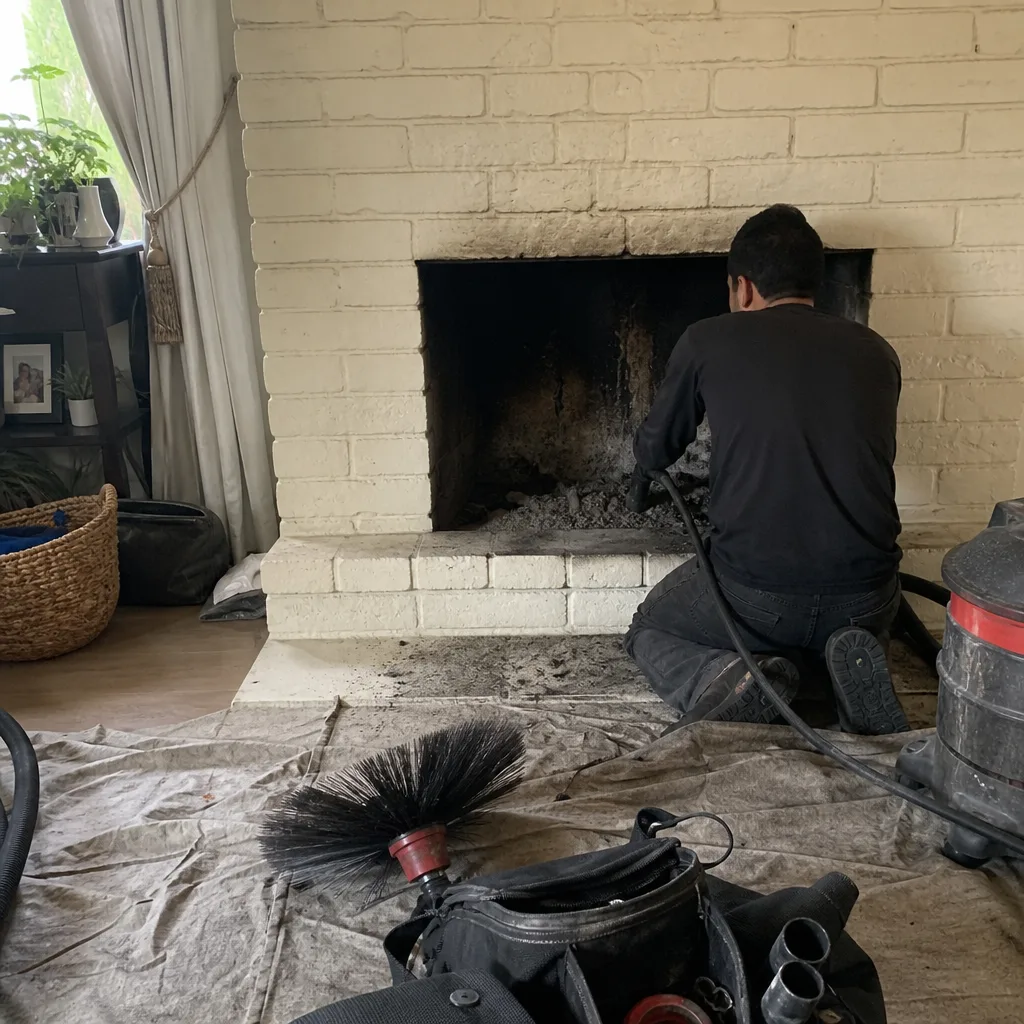
Chimney sweep logs do not sweep chimneys. They loosen some creosote - which then falls where a brush and vacuum still have to collect it.
Seasonal Chimney Cleaning Care for Lancaster: Year-Round Homeowner’s Guide
Lancaster averages more than 270 sunny days a year, which means your chimney spends most of its life baking in dry heat rather than shedding rain, and that changes what breaks down, what accumulates, and when your real maintenance windows actually are. The standard “get your chimney cleaned every fall” advice was written for climates with wet autumns, freezing winters, and spring thaw cycles. Lancaster’s Antelope Valley climate, with its triple-digit summer days, strong desert winds, and near-zero humidity, creates a completely different set of chimney conditions that most national guides simply miss. This guide walks through what actually happens to a Lancaster chimney across all four seasons, when to act, and when to leave it alone.
Styles & brands we work with
- Sweep & inspection
- Caps & crowns
- Flue relining
- Masonry repair
- Gas fireplace service
Quick Answer
Seasonal chimney care in Lancaster means: schedule your annual sweep and inspection in October before burn season starts, watch for mortar joint cracking during summer’s prolonged heat, pause chimney use immediately if you notice new odors or drafting changes mid-winter, and check for nesting material every spring. A year-round care log, even one kept on a phone note, catches small problems before they become liner or masonry repairs.
Table of Contents
- Summer Heat: What 100-Degree Days Do to Mortar, Liners, and Chase Covers
- Fall: The Narrow October Window Before Burn Season
- Winter Burn Season: What to Monitor While You’re Using the Fireplace
- Spring: Nesting Season and the Open Damper Problem
- Building a Simple Care Log That Makes Every Season Faster
- Gas Inserts vs. Wood-Burning Fireplaces: Different Seasons, Different Risks
- Dryer Vents Have Seasons Too: Why Lancaster’s Dry Air Changes the Math
- Common Mistakes to Avoid
- When to Call a Professional
- Frequently Asked Questions
- The Bottom Line
Summer Heat: What 100-Degree Days Do to Mortar, Liners, and Chase Covers
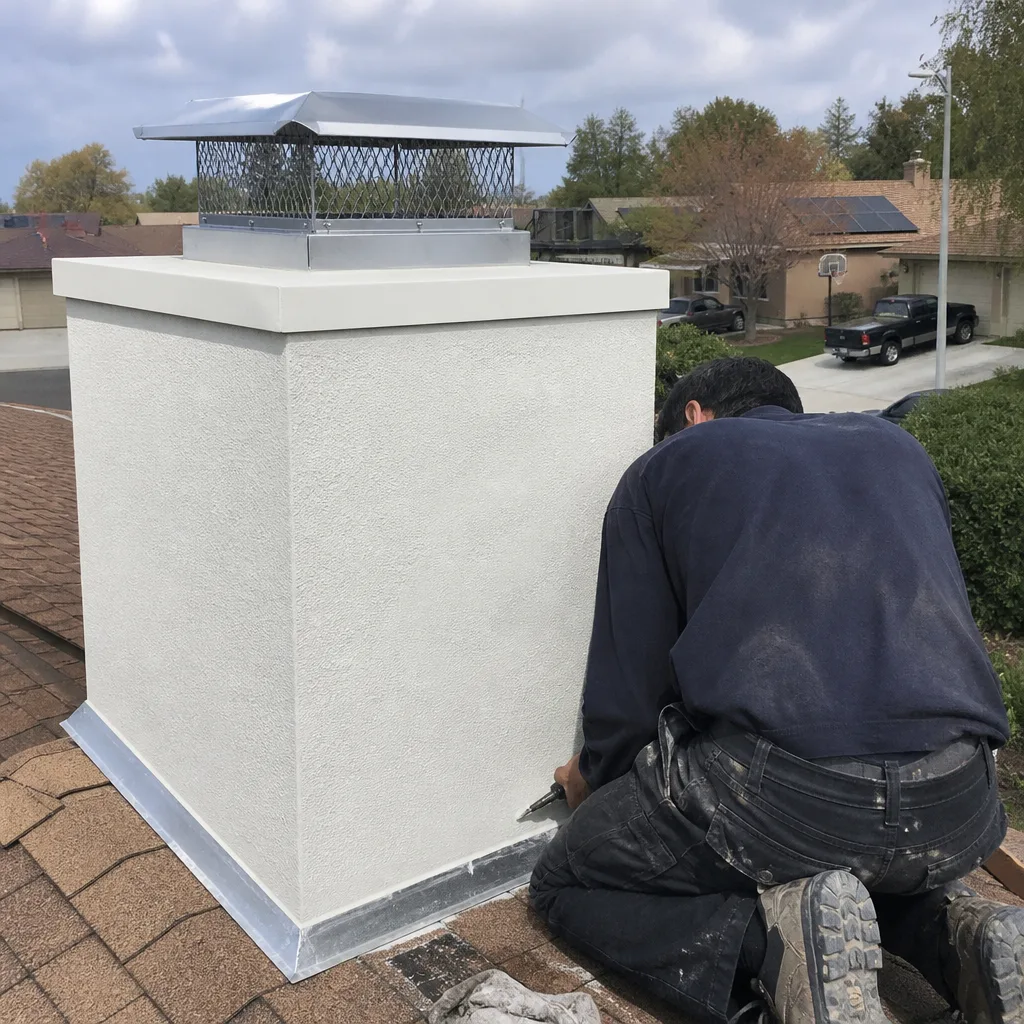
Summer is when most Lancaster homeowners ignore their chimney completely, and that’s precisely when the damage is happening. Daytime temperatures regularly exceed 100 degrees from June through September, and the chimney crown, the concrete slab at the top of the masonry structure, takes the brunt of it. Concrete expands when heated and contracts when cooled. Over a single Lancaster summer, the crown cycles through that expansion and contraction hundreds of times. The result, in our experience, is hairline cracking that starts small and widens each year. Once a crack opens, the next rain event, however rare, seeps water into the brick structure below.
Mortar joints face the same thermal stress. Lancaster’s low humidity means mortar dries faster than it would in coastal climates, and dried-out mortar loses the slight flexibility that lets it absorb thermal movement. The joints between bricks begin to crumble, a condition called spalling, and you’ll notice sandy grit collecting at the base of the chimney or on the roof flashing below it. That grit is your chimney literally eroding in slow motion.
Clay tile liners, common in older Lancaster homes built from the 1960s through the 1980s, are also vulnerable to extreme heat and thermal shock. A clay tile liner inside a chimney that sits in a 105-degree afternoon sun and then absorbs the heat from a fire in December is a material being asked to handle temperature swings it was never designed for. Cracks in these liners are one of the most common findings during our pre-season inspections in Lancaster, especially in homes east of the 14 Freeway where original construction dominates.
Prefabricated or factory-built chimneys have their own summer weak point: the metal chase cover on top of the chimney chase. Lancaster’s constant Antelope Valley wind carries sand and grit that scours metal surfaces. Combine that wind-driven abrasion with heat-expansion cycles and you get chase covers that rust through faster here than in nearly any other California climate. A rusted chase cover lets water into the chase, which rusts the flue pipe inside it, which eventually becomes a repair that never should have been necessary.
What to do in summer:
- Take a look at the chimney crown from the ground. If you can see visible cracks or missing chunks, schedule an inspection before rain season, however brief it is.
- Check for grit or sandy debris at the base of the chimney. That’s eroded mortar, and it means joints need repointing.
- If you have a metal chase cover, look for rust streaks on the siding below the chimney. Rust streaks in summer mean water is already getting through.
- Keep the damper closed even in summer. An open damper through 100-degree days lets conditioned air escape and invites insects and rodents into the cool chimney interior.
Summer is not the busy season for chimney work in Lancaster, which means scheduling an inspection in July or August usually gets you more scheduling flexibility than waiting until October. The chimney repair work we do in Lancaster often starts with a summer discovery, simply because that’s when the damage is most visible from the ground.
Fall: The Narrow October Window Before Burn Season
Lancaster’s burn season is shorter than most people expect. Nighttime temperatures first dip into the 40s in late October, and that’s when fireplaces across the Antelope Valley get lit for the first time in six months. That means the window for pre-season cleaning and repairs is genuinely narrow: October, and really the first three weeks of October, before the first cold snap arrives and every chimney in the valley gets used at once.
Waiting until November means burning in a chimney that hasn’t been inspected since spring, which is exactly how small problems become winter emergencies. A bird nest built in April sits in the flue all summer, drying out into kindling. A cracked clay tile from years of thermal stress finally shifts enough to block the flue. Creosote from last winter, even a light coating, has had all summer to harden into a glaze that’s more difficult to remove than the fluffy stuff that forms during active burning.
What a proper October prep includes, in order:
- Visual roof-level inspection of the crown, cap, and flashing. This is where summer damage gets confirmed and documented.
- Flue inspection with a camera. You should see the condition of the liner with your own eyes before anyone recommends repair work. In Lancaster, we use camera inspection as standard on every sweep, not as an add-on when something looks wrong.
- Sweeping to remove creosote and any debris. The National Fire Protection Association standard is to sweep when creosote buildup reaches 1/8 inch, but in practice most Lancaster homeowners with wood-burning fireplaces need an annual sweep if they burn more than a cord of wood per season.
- Damper function check. A damper that won’t fully open or fully close is a year-round problem, but you’ll only notice it in October when you try to light that first fire.
- Smoke test or draft check. Confirm the chimney draws correctly before the first fire of the season, not during it.
One thing specific to our Lancaster climate: October is also when the Santa Ana winds typically begin, and those winds change chimney draft behavior. A chimney that draws fine in calm weather can backdraft in sustained wind if the cap is undersized or the flue height is marginal. Pre-season inspection should include a discussion of wind exposure, especially for homes in west Lancaster and Quartz Hill where wind gusts are strongest.
If you’re scheduling a chimney sweep in Lancaster, booking in September for an October appointment is the single best timing decision you’ll make all year. The work gets done before the rush, and you’ll have full confidence when that first cold night arrives.
Winter Burn Season: What to Monitor While You’re Using the Fireplace
Winter in Lancaster means nighttime lows in the 30s and daytime highs in the 50s and 60s. Fireplaces get used in the evening and overnight, often every night from late November through February. That’s a lot of cycles, and it’s the season when changes inside the chimney happen fast enough to require active monitoring.
Here’s what to watch for, and what each one means:
- A new smell when the fireplace is not in use. This usually means creosote is building up faster than expected, or there’s a draft issue pulling air down through the chimney. A smell that appears suddenly in January when it wasn’t there in December is a signal to schedule a mid-season check.
- Smoke entering the room when you open the doors or start a fire. This points to a draft problem: a partially blocked flue, a damper not opening fully, or wind conditions overwhelming the cap. It’s not something to solve by burning hotter fires.
- A rumbling or popping sound from the chimney while burning. That’s a chimney fire starting in the flue, or at minimum a hot creosote ignition. Close the damper and the air supply, call the fire department if flames are visible, and do not use the fireplace again until it’s been inspected.
- White or gray staining on the exterior brick near the top of the chimney. That’s efflorescence, which means water is moving through the masonry and leaving mineral deposits behind. In Lancaster’s winter, the occasional rain plus cold nighttime temperatures accelerate this, and it’s a sign the crown or flashing needs attention.
- More ash than usual falling into the firebox while burning. This can indicate a deteriorating liner or brick inside the flue, especially in older Lancaster homes with original clay tile liners.
One more winter-specific point for Lancaster: our winter rains, when they come, are often intense but brief, followed immediately by wind. A chimney that sat dry all summer gets suddenly saturated, then hit with 30-to-50-mile-per-hour gusts. That’s when marginal mortar joints and small crown cracks fail dramatically. Checking the chimney after a significant rain event in January or February takes five minutes and catches failures early.
If anything changes mid-winter, the right move is to stop burning and get it checked. The fireplace is not the primary heat source in most Lancaster homes, which means there’s rarely an urgent reason to keep using a chimney that’s behaving differently than it did in December.
Spring: Nesting Season and the Open Damper Problem
Spring in Lancaster brings two things to every chimney: nesting birds looking for a sheltered cavity, and homeowners who finally stop using the fireplace and forget to close the damper. Those two things combine into the most preventable problem we see all year.
House sparrows, starlings, and occasionally chimney swifts all find Lancaster chimneys attractive in March and April. A chimney with a damaged or missing cap is an open invitation. But even a properly capped chimney can be entered if the cap’s mesh screening is torn or if the cap was sized incorrectly. Birds don’t need much of a gap.
Once a nest is built in the flue, it becomes a fire hazard the following fall if it’s not removed. Nesting material is dry twigs, grass, and feathers, all of which ignite quickly and burn hot. A nest also blocks the flue, which creates carbon monoxide risk before it creates fire risk. The worst-case scenario is a nest so large that the fireplace won’t draft at all, and the homeowner doesn’t discover that fact until the first cold night of November.
Rodents are less common but we do see them. Rats and squirrels will enter chimneys in spring, particularly in homes near Lancaster’s older neighborhoods where mature trees sit close to rooflines. A rodent nest in a chimney is usually discovered by smell before it’s discovered visually.
Spring checklist for Lancaster homeowners:
- Close the damper. Do this the week you stop using the fireplace, not months later. A closed damper blocks most animal entry and stops conditioned air loss.
- Look at the chimney cap. From the ground or a ladder, check that the cap is still in place and the mesh is intact. Lancaster’s spring winds can loosen caps that winter storms weakened.
- Listen. In March and April, bird activity in a chimney is audible. Chirping, scratching, or fluttering sounds coming from the fireplace area mean something has moved in.
- Check the firebox for debris. Twigs, grass, or feathers falling into the firebox mean there’s activity above.
- Schedule any repairs you discovered but deferred. Spring and summer are the off-season for chimney work in Lancaster. If a January inspection found a cracked crown or a deteriorating liner, spring is when that work gets done without any pressure to finish before the next burn season.
If you do discover an active nest, don’t remove it yourself. Migratory birds, including chimney swifts, are protected by federal law, and disturbing an active nest can carry penalties. The nest needs to be removed by a professional after the birds have left, and the chimney needs a thorough sweep to remove the debris. The chimney sweep service we provide in Lancaster includes this nesting removal as a standard part of the fall preparation visit when you tell us you’ve had activity.
Building a Simple Care Log That Makes Every Season Faster
A care log doesn’t need to be elaborate. A note on your phone, a page in a home maintenance binder, or a spreadsheet will do. What matters is that the log captures the right information so that each season’s checkup gets faster, and so you have a record if something changes.
The log should track five things:
- Dates of every sweep and inspection. Who did it, what was found, what was recommended. Three years of this data tells you whether your creosote buildup rate is changing, which tells you whether you need annual or every-other-year sweeping.
- Wood usage. Roughly how much wood did you burn this season? A cord? Half a cord? No wood at all because you switched to a gas insert? This context makes every future inspection more meaningful.
- Visual observations. The date you noticed efflorescence on the north face of the chimney. The date you noticed rust streaks below the chase cover. The date you heard birds. Photos taken from the ground take ten seconds and are invaluable when a technician asks “when did this start?”
- Repairs completed. Crown sealed in March 2026. Cap replaced in October 2025. This history prevents paying for duplicate work and helps a new technician understand the chimney’s service life.
- Anything unusual during burn season. Smoke entering the room on windy days. A smell that appeared in January. A popping sound. Even if it stopped, record that it happened.
What this log does, over time, is build a maintenance history that changes the conversation when a repair is proposed. A homeowner who can say “the crown was inspected 14 months ago and photos showed minor cracking, here’s what it looked like” is making decisions with evidence. A homeowner who doesn’t have that history is working from memory. In Lancaster’s climate, where problems develop slowly over multiple hot summers and windy winters, that history is the difference between catching a crown crack in year one and paying for masonry rebuild in year four.
We recommend Lancaster homeowners photograph their chimney from the ground twice a year: once in April when burn season ends, once in October before it begins. Two photos a year, filed in the same place. After three years, you have a visual record that shows problems developing in real time.
Gas Inserts vs. Wood-Burning Fireplaces: Different Seasons, Different Risks
Lancaster has a significant number of homes with gas fireplaces and gas inserts, either original to the home or converted from wood-burning setups. The seasonal calendar looks different for these systems, and treating a gas insert like a wood-burning fireplace wastes money and misses real risks.
Gas fireplaces do not produce creosote, so the annual-sweep-before-burn-season rule doesn’t apply in the same way. But gas systems have their own seasonal failure points. The venting for a gas insert, either direct-vent pipe or a liner inside an existing masonry chimney, still needs inspection. In Lancaster’s high-wind environment, direct-vent terminations on exterior walls get battered, and the seals around them degrade. A gap around a vent termination lets carbon monoxide back into the home rather than venting outside.
For gas inserts installed inside an existing masonry fireplace, the original clay tile liner is often still in place behind the insert, and it’s still subject to the same summer heat expansion and winter thermal cycling as any other liner. If the liner was already deteriorating when the insert was installed, it continues to deteriorate behind the insert, unseen. Gas inserts should still have venting inspected every two to three years, and the inspection should include the liner condition behind the insert, not just the visible firebox.
The seasonal rhythm for Lancaster gas fireplace owners looks like this:
- Fall: Test the unit before you need it. Light the pilot, run the burner for 10 minutes, and check that the flame is blue and steady. A yellow or flickering flame means incomplete combustion and needs attention.
- Winter: If you notice a gas smell when the unit is off, or a new condensation pattern on the glass, stop using the unit and have it checked.
- Spring: Turn off the pilot light if you won’t use the unit for months. This saves gas and reduces heat cycling on internal components during Lancaster’s hot summer.
- Every 2-3 years: Have the venting and liner inspected, even though there’s no creosote to sweep.
Switching from wood to gas does not eliminate chimney maintenance. It changes the maintenance. The masonry chimney around the gas insert still needs the same crown inspections and mortar joint monitoring as any other chimney in Lancaster, because the bricks and mortar don’t care what’s burning, or not burning, inside them.
Dryer Vents Have Seasons Too: Why Lancaster’s Dry Air Changes the Math
Dryer vents are not chimneys, but in Lancaster the same seasonal thinking applies, and the low-humidity climate creates a set of conditions that make dryer vent maintenance more important here than in most places. A dryer vent cleaning in Lancaster is not an annual ritual like a chimney sweep, but the timing of when you do it matters.
Lancaster’s air is dry year-round, which sounds like it would help dryer vents, and in one narrow sense it does: lint in the vent stays dry and fluffy, so it doesn’t cake onto the vent walls the way it does in humid climates. But that dry, fluffy lint is also easier to dislodge and carry deeper into the vent, where it accumulates at every bend, joint, and transition. What you get in Lancaster is a vent that clogs not at the lint screen or the exterior termination, but in the middle of the run, where you can’t see it without a camera.
The seasonal factor is usage. Lancaster homeowners do more laundry in fall and winter, when heavier clothing and more layers are in rotation. That means lint accumulates at a faster rate from October through February, and the accumulated load from that period sits in the vent through spring and summer, drying out further. A vent that was fine in September can be significantly restricted by March.
Recommended dryer vent rhythm for Lancaster:
- Clean the lint screen before every load. This is non-negotiable and the single highest-leverage habit you can build.
- Inspect the exterior vent termination twice a year, in spring and fall. Check that the flap opens freely and that no lint is visible around the opening.
- Have the full vent run cleaned and camera-inspected every 1 to 2 years, depending on household size and usage. A household of four or more in Lancaster doing daily laundry should lean toward annual.
- Pay attention to dry times. If a standard load takes longer than 45 minutes to dry, the vent is restricted, and waiting to address it until the next scheduled cleaning is a fire risk.
Dryer vent fires are a year-round risk, but the risk concentrates in fall and winter when usage peaks and accumulated lint from months of use intersects with the dryer’s heating element running hour after hour. The same logic that says clean your chimney before burn season also says check your dryer vent before the heavy laundry season starts.
Common Mistakes to Avoid
- Assuming no rain means no chimney problems. Lancaster’s damage comes from heat, not water. A chimney in this climate can have serious crown cracks and mortar erosion without ever seeing a drop of rain. The absence of weather-related problems does not mean the absence of problems.
- Waiting until November to schedule a sweep. Every chimney company in Lancaster is busy in November because everyone does the same thing. October appointments mean the work gets done before the rush and before the first fire.
- Leaving the damper open after burn season ends. An open damper in spring is an open door for birds, rodents, and insects, and it defeats your air conditioning through the entire Lancaster summer.
- Ignoring small cracks in the crown. A hairline crown crack in year one is a $200 repair. The same crack after three summers of expansion and contraction is a masonry rebuild. Small problems do not stay small in this climate.
- Burning treated lumber, construction scraps, or garbage. These materials burn hot and produce chemicals that accelerate creosote formation and corrode metal components. Wood-burning fireplaces in Lancaster are for seasoned firewood.
- Doing DIY liner repairs. Clay tile liners and factory-built chimney components are not projects for a weekend and a YouTube tutorial. A damaged liner is a fire-safety issue that requires professional evaluation, and patchwork fixes create hidden hazards behind walls and masonry where you’ll never see them until they fail.
- Forgetting the dryer vent is a fire hazard too. Many Lancaster homeowners are diligent about their fireplace and never think about the dryer vent until the dryer stops working. The dryer vent is a separate fire-safety issue that requires its own maintenance rhythm, and ignoring it because the chimney is clean makes no more sense than the reverse.
When to Call a Professional
Some things on this list you can handle yourself: closing the damper, taking photos, checking for visible debris. Other things require a trained eye and professional equipment. Call for a professional inspection if you see cracks in the crown or chimney brick, if you find grit or sandy material around the base of the chimney, if you hear or see signs of nesting, if you notice any change in how the fireplace drafts or smells, if the dryer takes longer than 45 minutes to dry a load, or if you simply haven’t had the chimney inspected in two or more years. These are not conditions that improve with time. Chimney Cleaning Lancaster offers free estimates in Lancaster, and every inspection includes camera documentation so you see what we see before any repair work is discussed. Call (877) 376-0565 to schedule.
When repairs are needed, we use professional-grade materials from manufacturers like Gelco for crown repair products, Olympia Chimney for chimney caps and chase covers, and Copperfield for chase fabrication and components. These are the brands certified chimney technicians specify, not hardware-store substitutes. Repair it right the first time, with materials built for the job and the climate.
Frequently Asked Questions
Most Lancaster homeowners who burn wood regularly need a chimney sweep once per year, scheduled in October before burn season begins. If you burn more than a cord of wood per winter, or if you burn softwoods like pine, you may need a mid-season check in January or February. Gas fireplace owners typically need venting and liner inspection every two to three years rather than annual sweeping. Call (877) 376-0565 for an exact recommendation based on your fireplace type and usage.
You can skip the sweep if there’s no creosote buildup, but you shouldn’t skip the inspection. Even a fireplace that wasn’t used at all still has a crown, mortar joints, and a cap that went through a full Lancaster summer. The inspection catches those structural issues, and it’s the inspection, not the sweeping, that finds the problems that cost real money later.
Chimney sweeping in Lancaster typically costs between $150 and $350, depending on the chimney type, accessibility, and the amount of buildup. Additional services like camera inspection, cap replacement, or crown sealing are quoted separately. Every quote we provide includes the camera inspection so you can see the condition of the flue before you approve any work. Call (877) 376-0565 and we’ll give you an exact price based on your chimney.
Creosote accumulates with every fire, and each layer makes the next layer build faster. After two to three seasons of skipped cleaning, the creosote coating is thick enough to ignite, and a chimney fire burns at temperatures above 2,000 degrees, hot enough to crack clay liners and warp metal flues. The home doesn’t catch fire, but the chimney is damaged, and those cracks then become the pathway for heat and gases to reach combustible framing in a future fire. In our experience, the most expensive chimney repairs are consistently on chimneys that went multiple seasons without cleaning.
Not every damaged liner needs full replacement. Depending on the type and extent of the damage, a liner restoration system using HeatShield material can repair cracks and deteriorated sections without demolishing the chimney. We use HeatShield because it’s the material certified technicians specify for this exact purpose, and it frequently saves Lancaster homeowners thousands of dollars compared to a full relining. The only way to know which applies to your chimney is a camera inspection, which we include with every sweep and quote.
Schedule in September for an October appointment. The first cold snap in Lancaster usually arrives in late October, and that’s when everyone calls at once. Booking in September means your sweep happens before the rush, you have flexibility in scheduling, and if the sweep finds something that needs repair, you have time to address it before you want to light the first fire. Call (877) 376-0565 and we’ll get you on the October calendar.
The Bottom Line
Lancaster’s climate punishes chimneys differently than anywhere else in California, and the homeowners who avoid expensive repairs are the ones who treat chimney maintenance as a year-round rhythm rather than a fall chore. Summer is for inspection and catching heat damage. October is for sweeping and repairs before burn season. Winter is for monitoring and trusting what you observe. Spring is for closing the damper and keeping animals out. A simple care log ties it all together and makes every season’s checkup faster. The work itself, when needed, should be done with professional-grade materials and a camera showing you exactly what’s going on inside your flue, because you can’t make good decisions about something you can’t see. Browse our more guides & resources for year-round chimney care.
If you’re overdue for a sweep, if you’ve noticed something changed, or if you just want a camera inspection to establish a baseline, call (877) 376-0565 for a free estimate. We serve Lancaster and the surrounding Antelope Valley, and our Chimney Cleaning Lancaster home page has more details on scheduling and service area.
Written by the team at Chimney Cleaning Lancaster, serving Lancaster since 2013.
See the difference
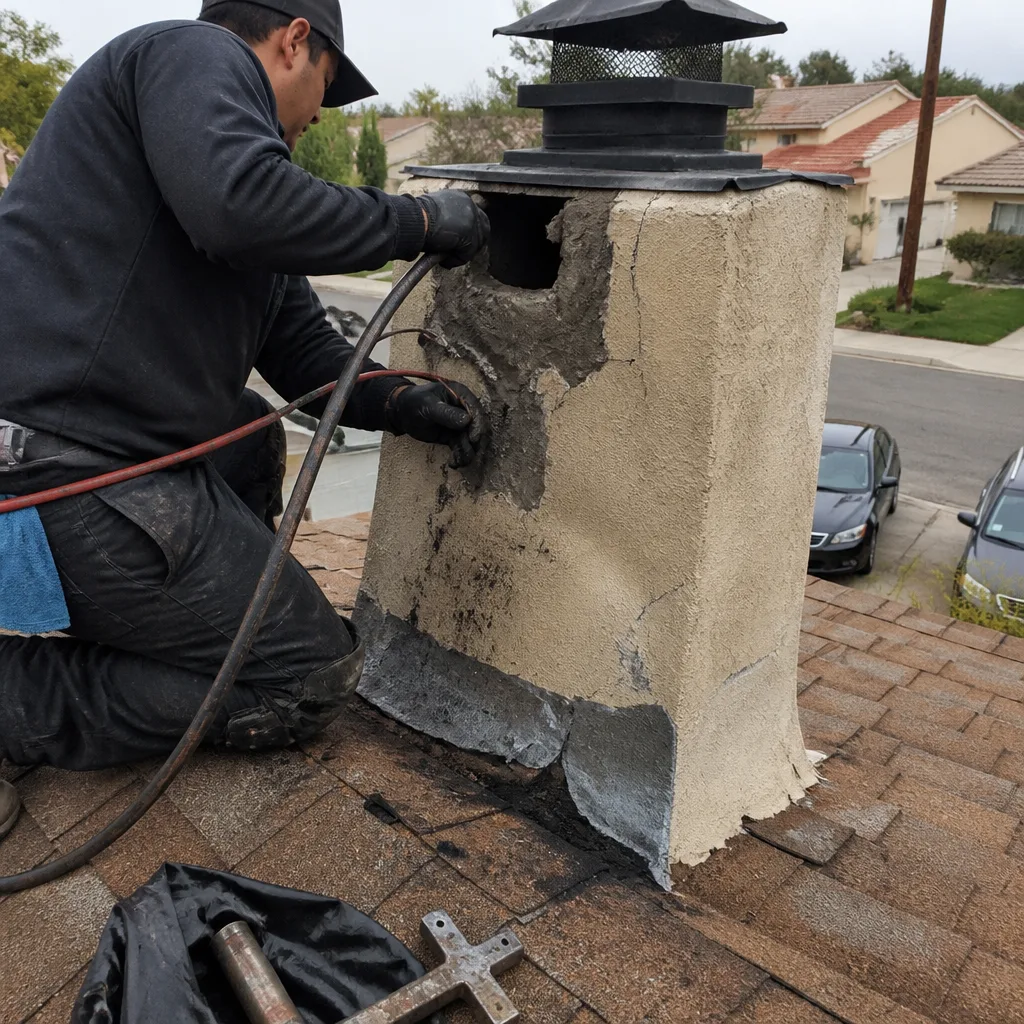 Before
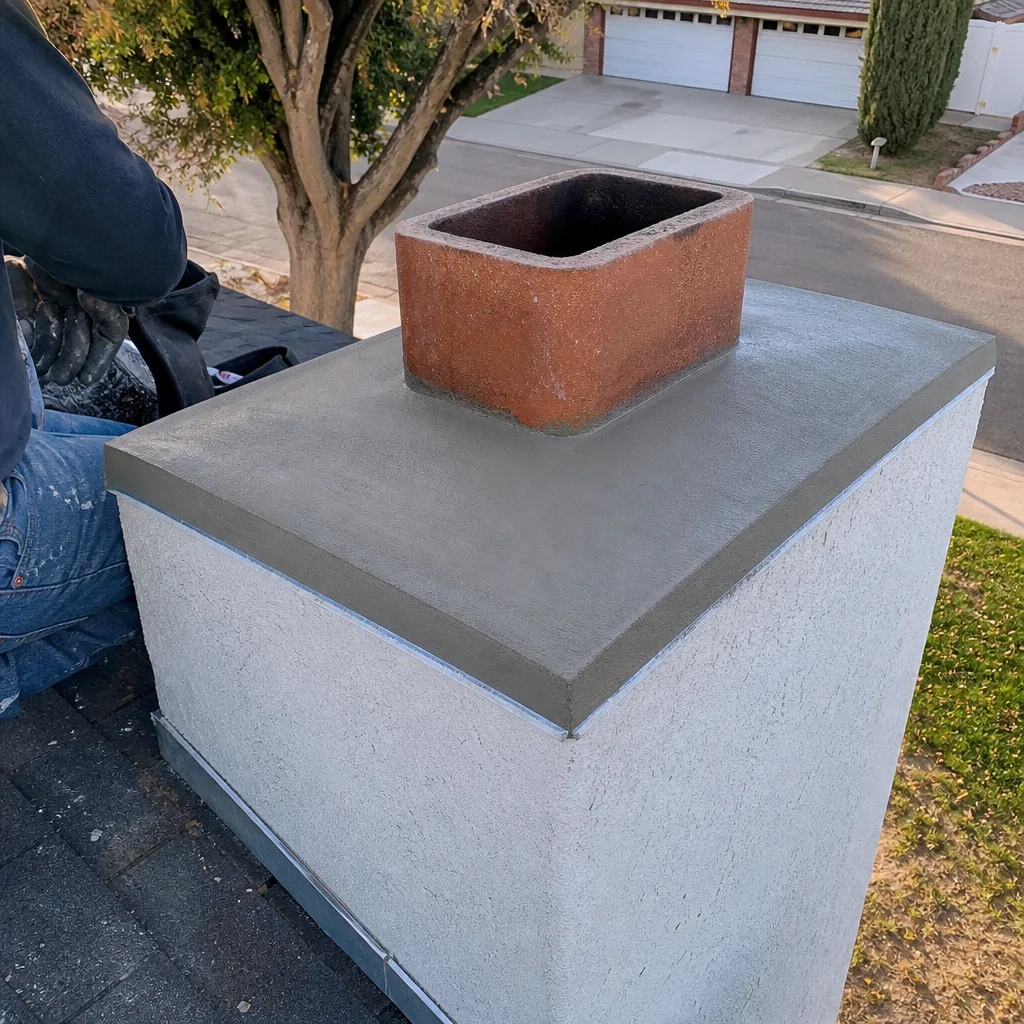 After
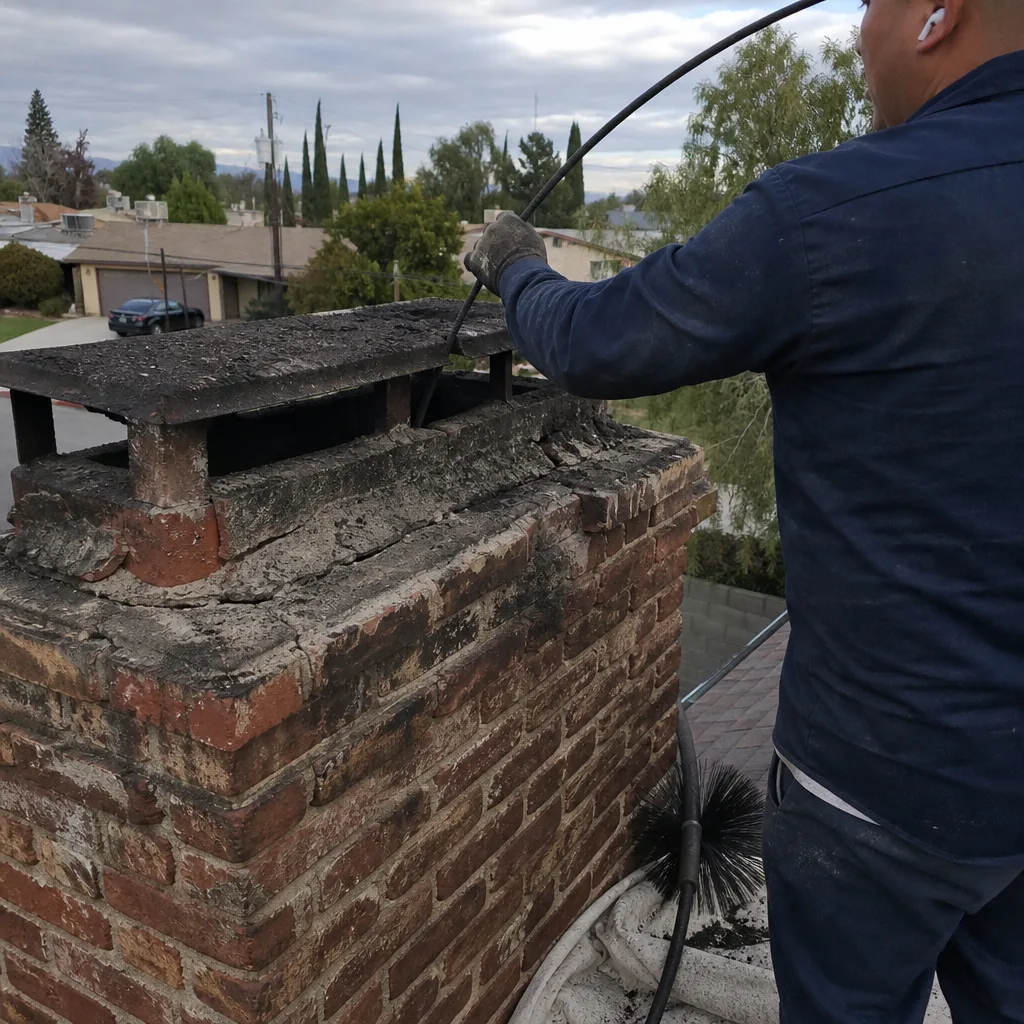 Before
 After
 Before
 After