
Last updated November 3, 2026
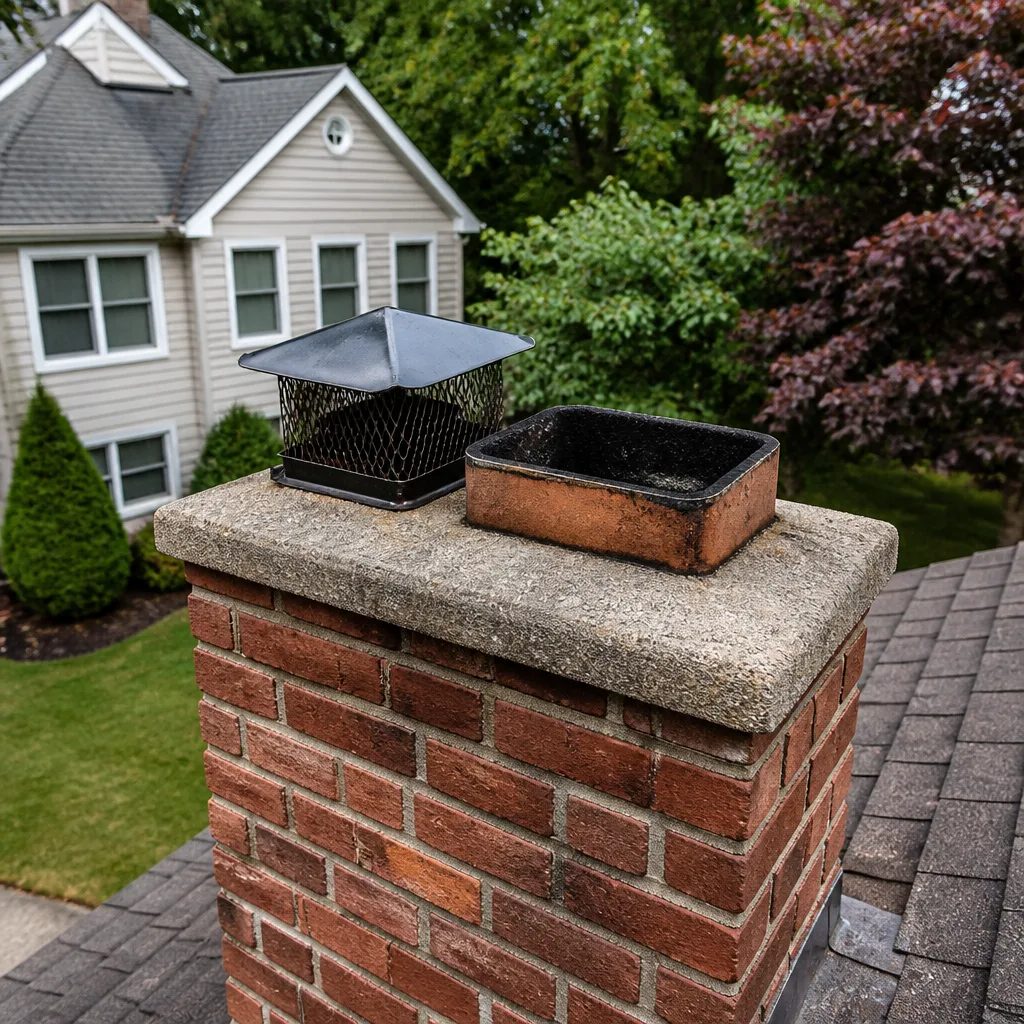 Sweep & inspection
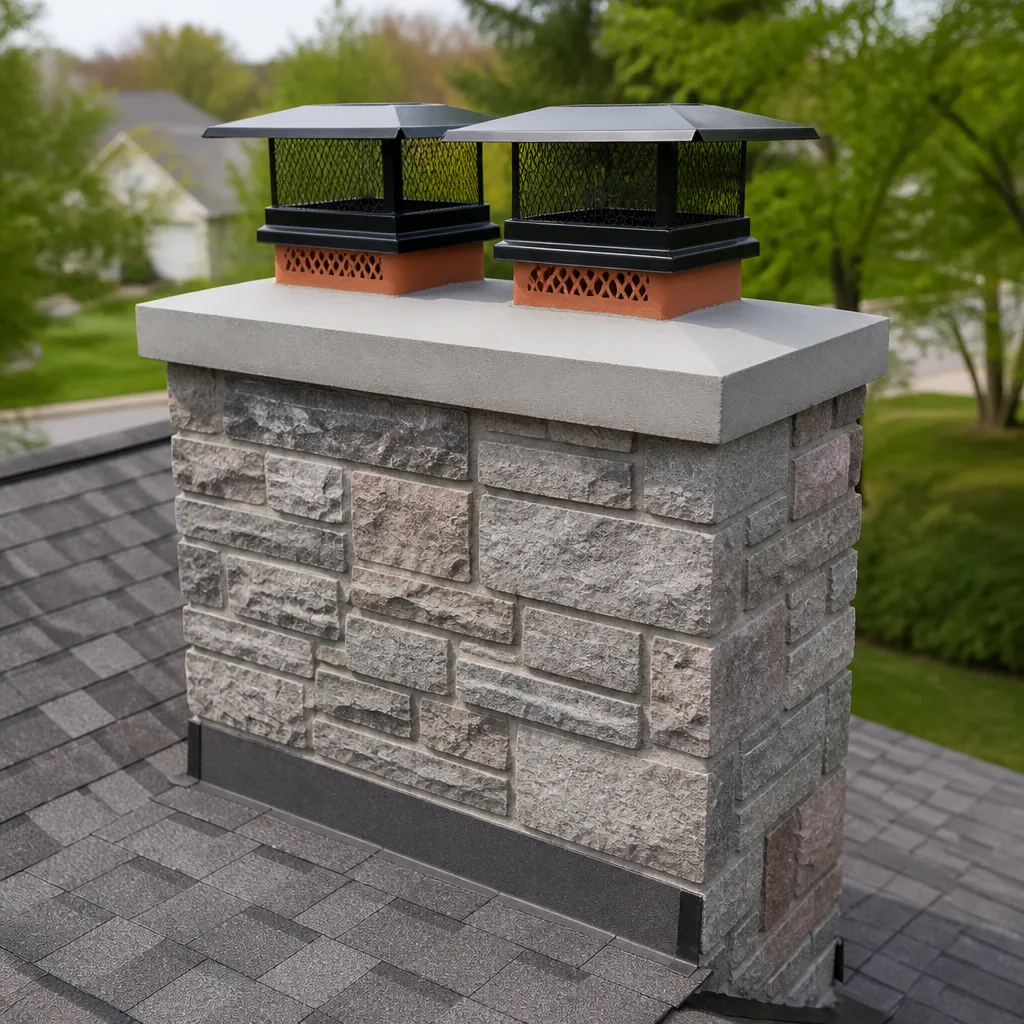 Caps & crowns
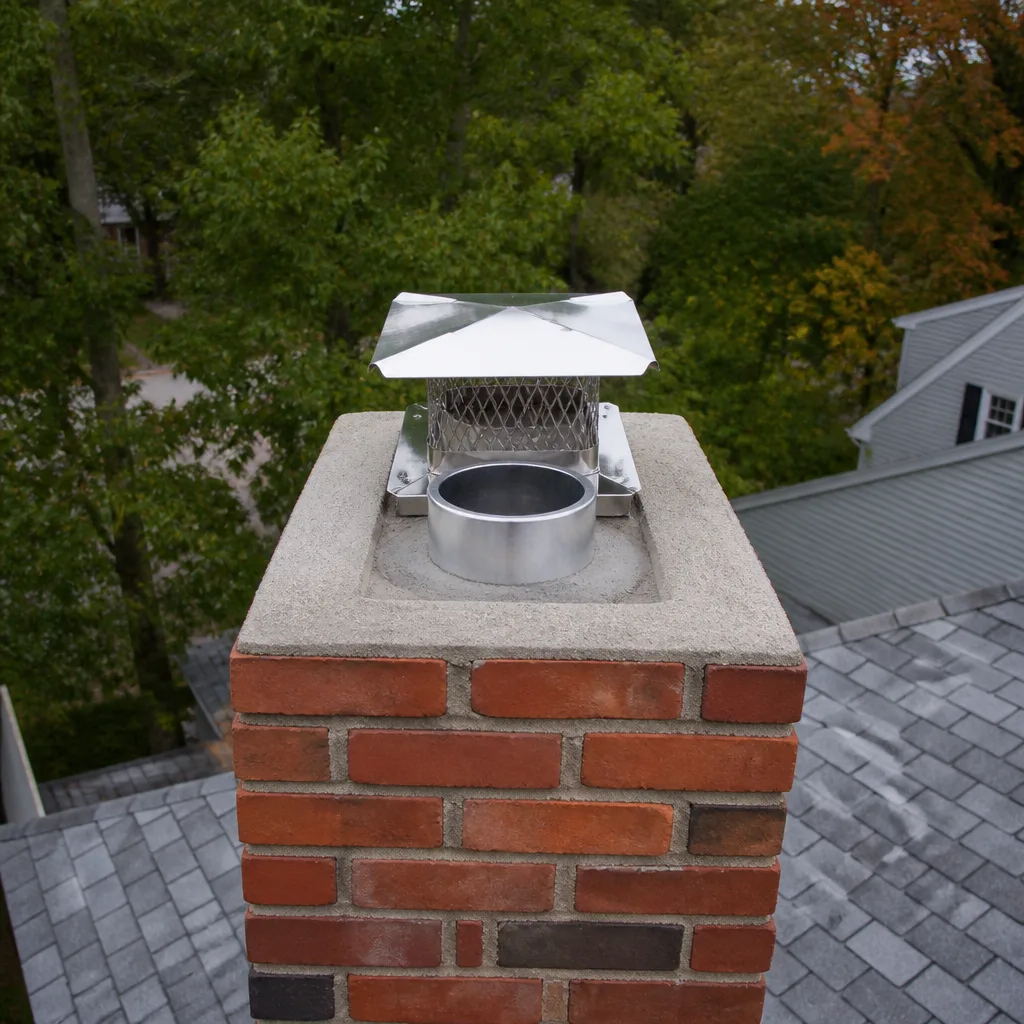 Flue relining
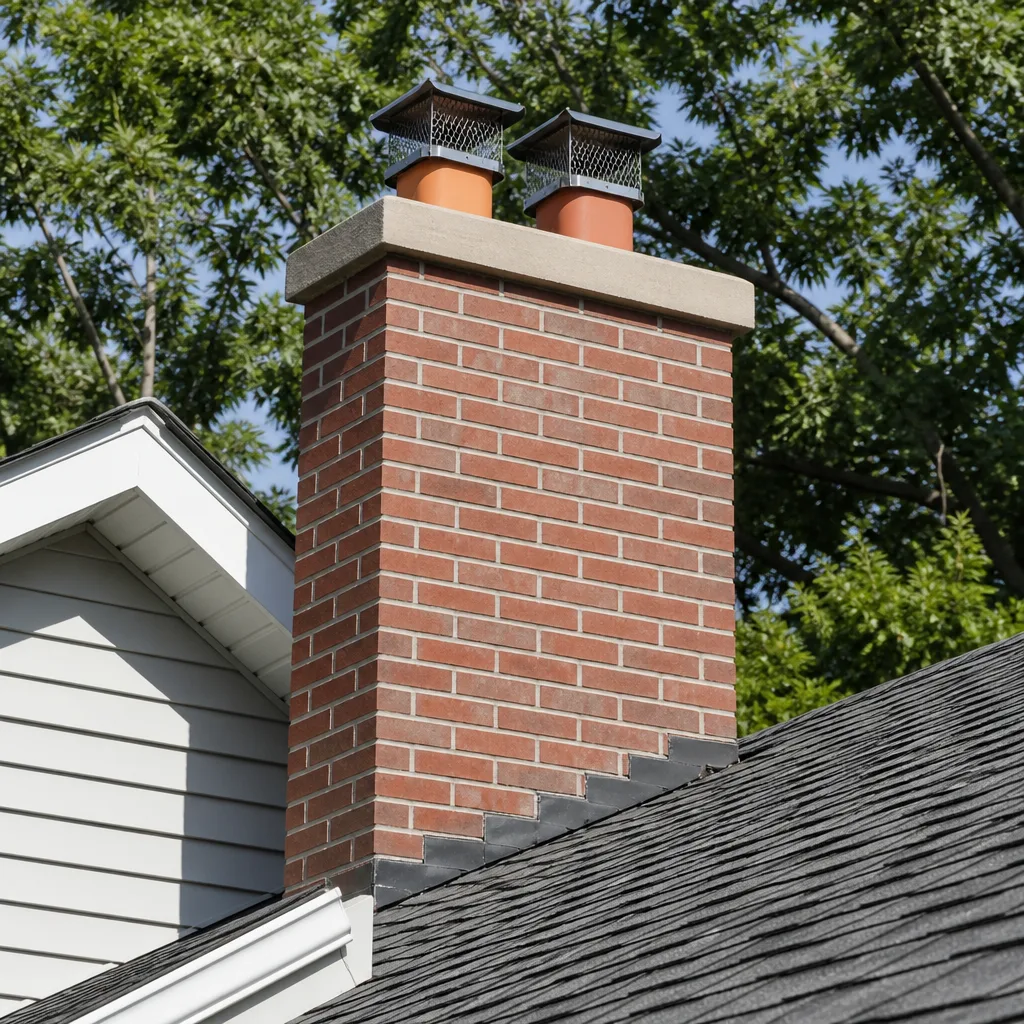 Masonry repair
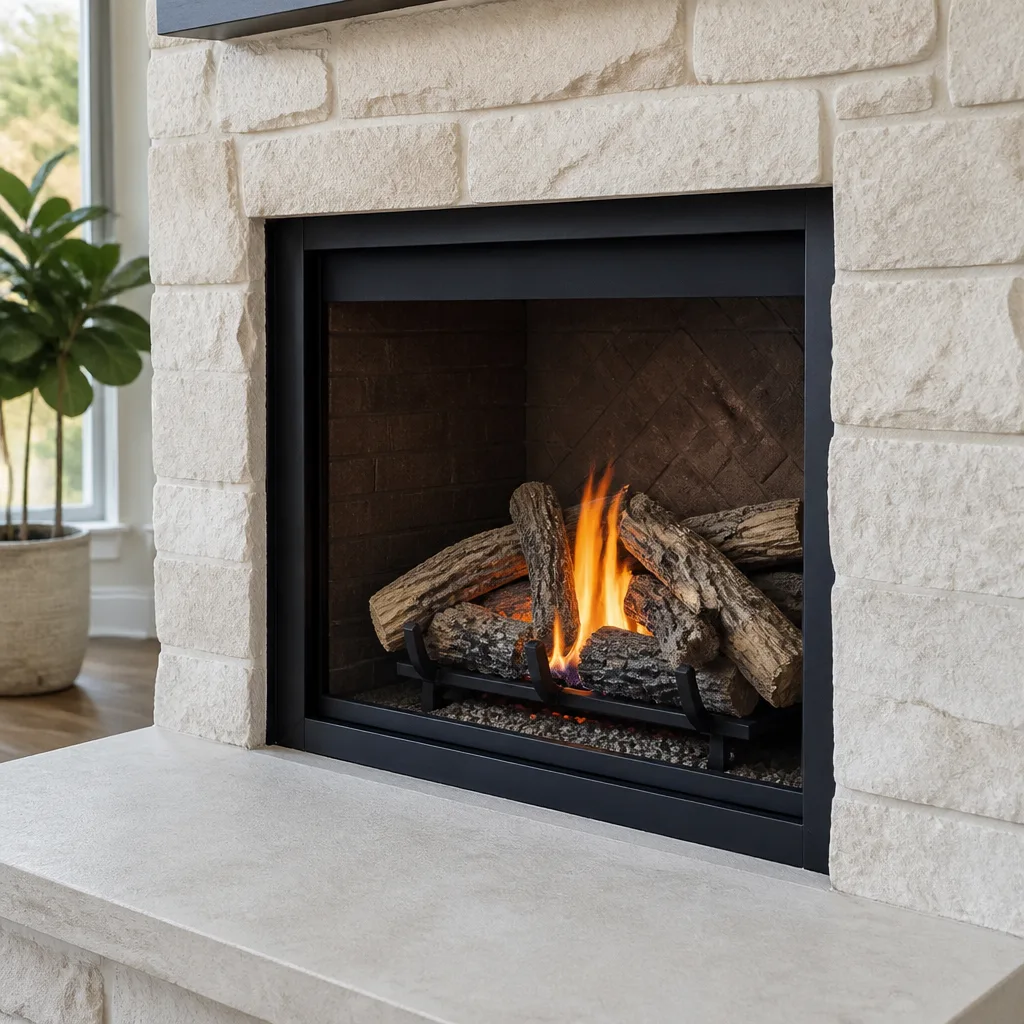 Gas fireplace service
Level 1 sweep and inspection to the NFPA 211 annual standard - flue, crown, cap, and flashing checked and photographed
Chimney sweep logs do not sweep chimneys. They loosen some creosote - which then falls where a brush and vacuum still have to collect it.
The Complete Chimney Sweep Guide for Lancaster Homeowners
Most chimney guides assume you live somewhere with 40 inches of annual rainfall. Lancaster gets about 7. That difference changes how creosote forms, how masonry cracks, and how often your chimney actually needs service. A guide written for a homeowner in Ohio or Oregon will tell you moisture is your biggest enemy. Here in the high desert, the equation flips: extreme daily temperature swings and a long, dry burn season create a distinct set of risks that standard advice never mentions. This guide covers what Lancaster homeowners actually need to know, written by people who provide Chimney Sweep services in this climate every week.
Styles & brands we work with
- Sweep & inspection
- Caps & crowns
- Flue relining
- Masonry repair
- Gas fireplace service
Quick Answer
Chimney sweeping in Lancaster typically costs between $150 and $300 for a standard Level 1 inspection and sweep, and most wood-burning fireplaces need it every 1 to 2 years depending on burn frequency. Because Lancaster’s low humidity combined with cool desert nights causes creosote to harden into dense Stage 2 deposits faster than in coastal or humid climates, skipping service here carries a higher fire risk than the same delay would elsewhere. A professional sweep removes this fuel, checks for flue damage, and confirms the system can safely handle the next burn season, as detailed in The Complete Guide to Chimney Cleaning in Lancaster.
Table of Contents
- Why Lancaster’s High Desert Climate Changes Everything
- Creosote Stages in a Dry Climate: What Forms Faster and Why
- Wildfire Ash and Your Unused Flue
- The Masonry Stress Pattern Lancaster Homeowners Should Know
- Burn Season Timing in the Antelope Valley
- Level 1 vs Level 2 Inspections: What You’re Actually Paying For
- What Happens During a Chimney Sweep
- Common Mistakes to Avoid
- Frequently Asked Questions
Why Lancaster’s High Desert Climate Changes Everything
Lancaster sits at roughly 2,350 feet of elevation in the Antelope Valley, bordered by the San Gabriel Mountains to the south and the Tehachapi range to the west. The air is dry. On a typical winter day, relative humidity hovers between 20% and 40%, and it routinely drops below 15%. That matters for your chimney in ways most national guides never get into, because most national guides are written for the wooded, humid stretches of the country where wood burning dominates.
Three climate factors define how a chimney behaves here:
- Low humidity accelerates moisture evaporation from creosote. When creosote dries quickly, it doesn’t stay in its soft, shiny Stage 1 form. It dehydrates into a hard, crusty Stage 2 or flaky Stage 3 glaze. That hardened form is more fuel-dense and burns hotter if it ignites.
- Wide daily temperature swings stress masonry relentlessly. Lancaster routinely sees 40 to 50 degree swings between daytime highs and overnight lows in fall and winter. Mortar and brick expand in the afternoon sun and contract sharply after sunset. Over a few seasons this cycling opens hairline cracks that wouldn’t appear as quickly in a milder climate.
- Wildfire season leaves ambient ash in the air for weeks. Even when your own fireplace hasn’t been used since March, fine ash from regional burns settles into chimneys, collects on the smoke shelf, and mixes with existing creosote to form a gritty, stubborn coating.
These aren’t theoretical concerns. When we inspect chimneys in Lancaster neighborhoods like Desert View, Rancho Vista, and along the 14 corridor, we see the same patterns season after season. The systems that get serviced regularly look fundamentally different from the ones that go three or four years untouched, and in this climate the gap shows up faster than homeowners expect.
Creosote Stages in a Dry Climate: What Forms Faster and Why
Creosote is the byproduct of incomplete wood combustion. When smoke cools against a flue wall, the unburned wood particles, tar, and moisture in the exhaust condense into a residue. That residue is categorized into three stages, and a dry climate pushes that progression along faster than a humid one does.
Here’s the staged breakdown, as it applies specifically to Lancaster fireplaces:
- Stage 1 creosote is a light, dust-like soot that brushes away easily. In a humid climate, a chimney can hold at Stage 1 for a year or more because moisture keeps the creosote soft. In Lancaster, Stage 1 is rare to find on any chimney that’s had more than one season of use, because the low ambient humidity bakes the residue almost as fast as it forms.
- Stage 2 creosote is the dangerous tipping point. It’s a hard, crunchy, black or dark brown deposit that looks like granulated coffee fused to the flue wall. It doesn’t brush off with a standard sweep; it requires rotary tools or chemical treatment. Lancaster fireplaces can reach Stage 2 in a single season of regular use, especially when unseasoned wood is burned.
- Stage 3 creosote is a hardened, glossy glaze that can look like melted tar. This is the most fuel-dense form, and in enough thickness it becomes a legitimate chimney fire waiting for a spark. Stage 3 typically means the flue needs mechanical removal or a liner assessment, and it absolutely should not be ignored.
None of this means Lancaster homeowners need to panic if they’ve missed a sweep. It means the standard “every two years” rule that works for humid climates is simply not calibrated for what happens here. In our experience, homes that burn a cord of wood through a cold season should expect to see Stage 2 conditions by spring. That’s not bad luck. It’s physics.
This is also where the Chimney Sweep in Lancaster process differs from the generic version. Removing Stage 2 and Stage 3 deposits properly takes rotary equipment and the kind of inspection that tells you whether the creosote is the whole story or a symptom of incomplete drafting.
Wildfire Ash and Your Unused Flue
Here’s a scenario we see every fall: a homeowner didn’t use the fireplace at all from April through October. The chimney cap is on. No visible damage. The assumption is that the flue is exactly as it was when the last fire went out. That assumption is often wrong in Lancaster, because wildfire season changes what lands in an unused chimney.
Regional burns, from the Sierra foothills to the Angeles National Forest to the inland high desert, push fine ash and smoke particles across the Antelope Valley for days or weeks at a time. That ash is small enough to pass through many spark arrestor screens. It settles on the smoke shelf, in the flue offsets, and along the liner walls. It doesn’t just sit there. It binds with whatever creosote remains from the prior season, creating a gritty, sandpaper-like layer that’s harder to remove than creosote alone. In some cases, if wind-driven ash mixes with condensation on cooler metal liners, it sets into a cement-like scale.
A chimney sweep in Lancaster after wildfire season isn’t just a routine cleaning. It’s the difference between starting burn season with a clean flue or starting it with a fuel-heavy, restricted passage. Even if you didn’t light a single fire all spring or summer, a post-fire-season inspection is worth scheduling before the weather turns cold enough to burn.
That’s part of why our Chimney Cleaning Lancaster home service area spans the entire Antelope Valley. The ash issue affects every neighborhood here, from Quartz Hill to Palmdale’s eastern edge, and it doesn’t discriminate by property value. It’s an atmospheric condition, not a maintenance habit.
The Masonry Stress Pattern Lancaster Homeowners Should Know
Brick and mortar chimneys are held together by one of the weakest materials in the build: mortar. Mortar is designed to be sacrificial. It absorbs movement so the brick doesn’t have to, and in a climate with 40 to 50 degree daily temperature swings, mortar takes that movement every single day of the year.
Here’s what the cycle looks like in practice. Midday sun hits the south-facing side of a masonry chimney. The brick expands. By late afternoon, the surface has absorbed enough heat to move measurably. Then the sun drops, and a Lancaster winter night brings temperatures that routinely fall into the low 30s, sometimes the 20s. The brick contracts. The mortar joint absorbs that differential movement. Do this four or five hundred times over the course of a year, across five or ten years, and the mortar eventually develops what inspectors call “reticulated cracking”: fine, web-like fractures that aren’t dramatic but represent a slow failure.
What a homeowner can actually look for before calling someone out:
- Hairline cracks in the mortar joints on the south and west-facing sides of the chimney (the sides that get afternoon sun). These are the first place the thermal cycling shows up.
- Crumbling or sandy mortar at the chimney cap and the top three or four courses of brick, where exposure is highest and water from rare rain events penetrates most easily.
- Gaps between the chimney and the flue liner visible from the top, which can indicate that the structure itself is shifting independently of the liner inside.
- White efflorescence staining on the brick face. Lancaster gets little rain, but morning dew and rare storms still deliver enough moisture to pull salts out of the brick and leave a chalky residue where water has been wicking.
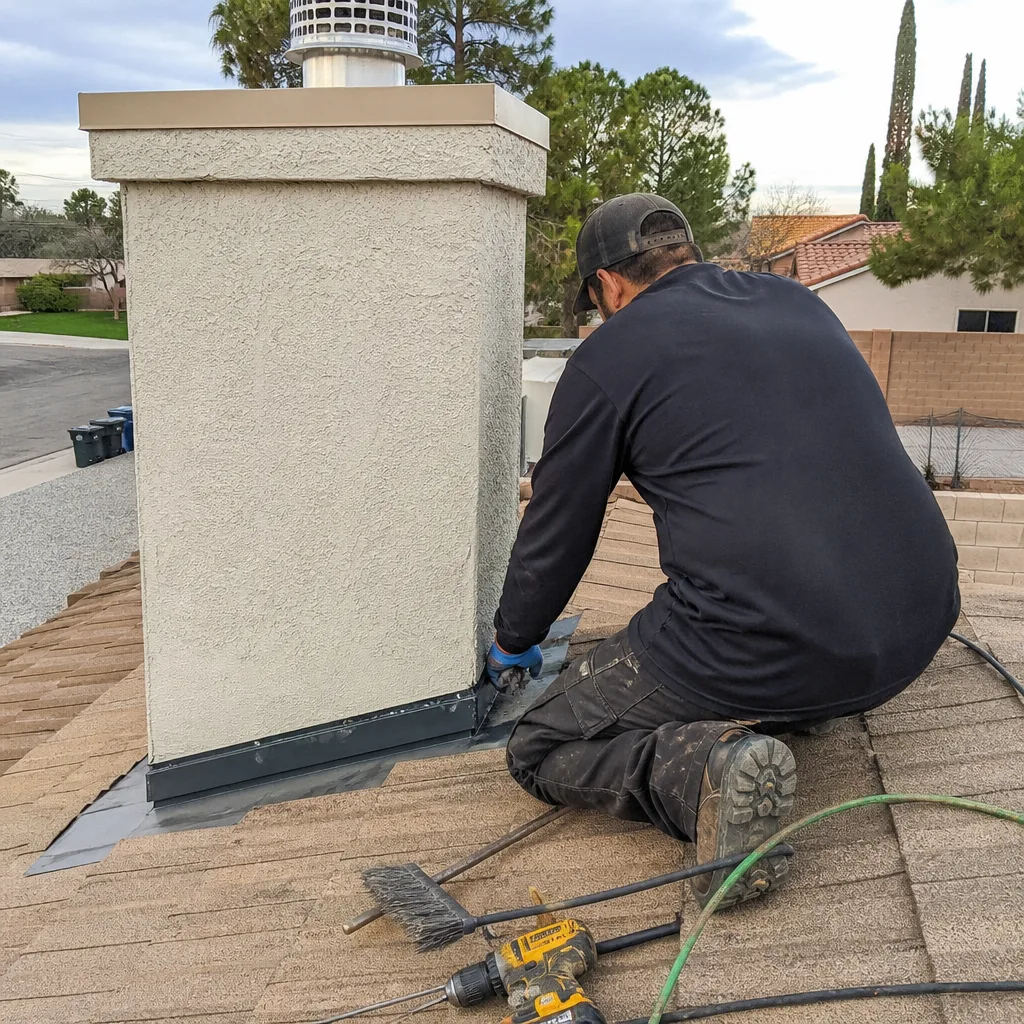
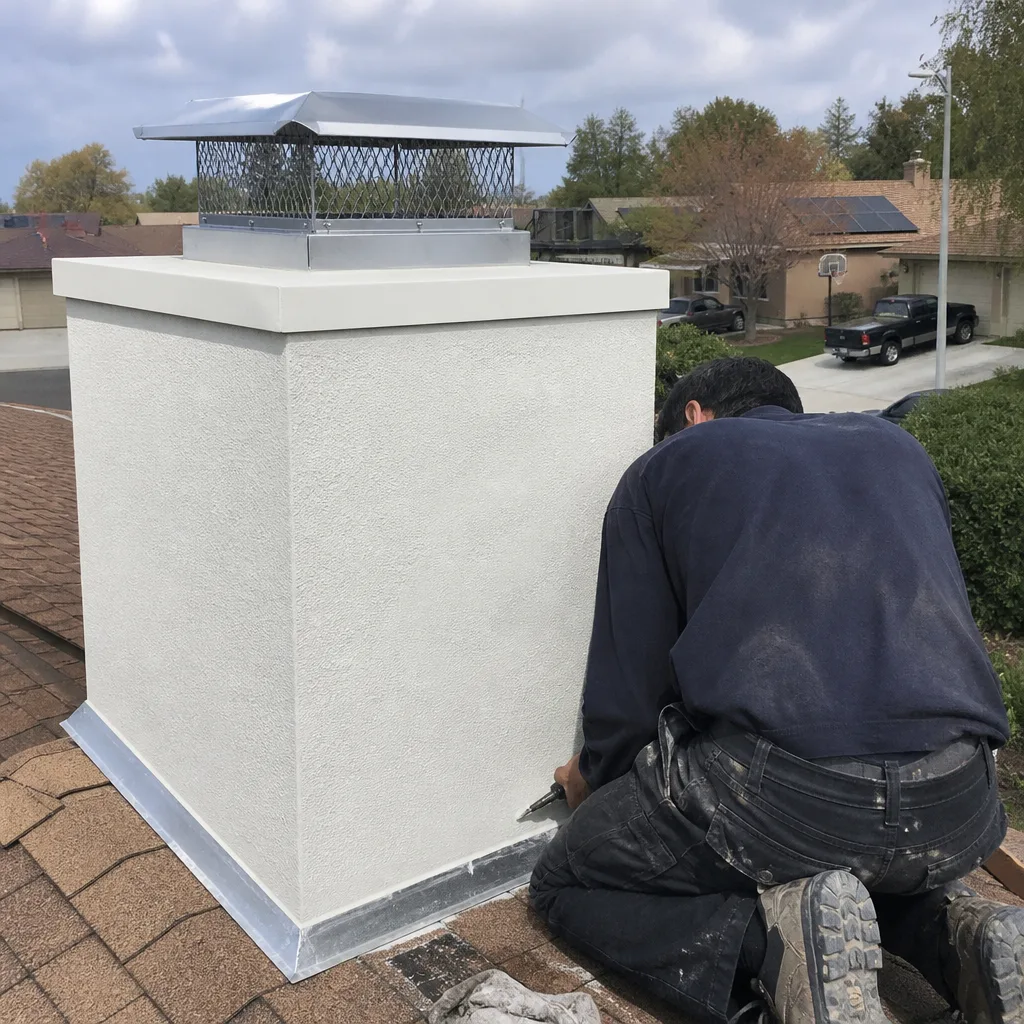
These symptoms point to repair work, not just a sweep. When damage is limited to mortar joints, the fix is usually tuckpointing, a manageable job. When cracks have extended into the flue liner itself, that’s a different conversation about relining or Chimney Repair in Lancaster with professional-grade materials that can handle high desert heat cycling. The point of a regular sweep is that it gives a technician a reason to look at the masonry while the creosote is being removed, catching joint deterioration before it becomes structural.
Burn Season Timing in the Antelope Valley
Most of the country thinks about chimney service in October and November. Lancaster’s burn season has a tighter and slightly different shape, because the Antelope Valley gets stuck between two forces: air quality restrictions and genuinely cold nights. The window when both are manageable can be narrow.
Here’s how the timing actually works for most Lancaster homeowners:
- November through February is the realistic burn season. October nights are still often mild, and by March the heat begins creeping back. But within that November-to-February stretch, the nights that drop into the 20s tend to cluster, and those are the nights people want a fire most.
- No-burn days arrive without much notice during winter inversions. The Antelope Valley Air Quality Management District issues mandatory no-burn alerts when fine particle levels climb. During those stretches, even a properly functioning fireplace can’t legally be used. That means the available burn days are fewer than the cold days, and people typically burn more intensely on the days they can.
- That intensity matters. When you’re burning more wood per fire in a shorter calendar window, creosote accumulates faster per burn hour. A heater that smolders low overnight in a humid climate might deposit less than one that’s cranked hot for five hours straight on a freezing Lancaster evening.
The practical takeaway is this: schedule the chimney sweep before November, ideally in September or October, and have the system ready the day the first genuinely cold night arrives. Waiting until Thanksgiving means competing for appointment slots during the exact same two or three week window when everyone else has also noticed it’s freezing, and it risks going into burn season with a flue you haven’t laid eyes on since spring.
This is also the ideal time to have a Dryer Vent Cleaning in Lancaster done, since the same fall prep logic applies. Dryer vents don’t care about burn season, but fall is when dryer use ticks up as heavier clothes and blankets enter the laundry rotation. Having both systems checked in one visit beats making two separate appointments in two separate seasons.
Level 1 vs Level 2 Inspections: What You’re Actually Paying For
Chimney inspections are categorized into three levels by the National Fire Protection Association, and most homeowners never learn the difference until someone hands them a quote. Knowing the distinction before the technician arrives saves time, money, and the uneasy feeling of being upsold.
A Level 1 inspection is the standard, included-in-the-sweep inspection. The technician examines all readily accessible areas: the firebox, the damper, the visible portions of the flue from the top and bottom, and the exterior condition of the chimney stack. No specialized tools are used beyond a flashlight and the basic sweep equipment. This is appropriate when nothing has changed: same fireplace, same fuel, same chimney, no known problems.
A Level 2 inspection is the deeper version required by code any time a property changes hands, after a chimney fire, after a seismic event, or when a new appliance or liner is installed. It includes everything in a Level 1, plus access to concealed areas: attics, crawlspaces, and roof portions of the flue. A Level 2 often involves a video scan of the flue interior, which shows things a flashlight from the top or bottom cannot reveal: hidden cracks, collapsing flue tiles, gaps in the mortar joints, or deterioration behind offsets.
Most Lancaster homeowners with an existing fireplace and no recent changes only need a Level 1 with their sweep. But there are specific moments when paying for a Level 2 makes sense:
- You just bought the home and the previous owner’s maintenance history is unknown.
- The chimney sat unused for multiple years while wildfire ash settled into it.
- You noticed loose brick, cracked mortar, or water staining near the chimney structure.
- You experienced a chimney fire at any point, even a brief one.
- You suspect an animal nested in the flue during the off-season.
When we perform a Level 2 inspection, the camera footage is shown to the homeowner. That’s not a gimmick. If a liner has a crack, you should see the crack with your own eyes before anyone asks you to approve a repair. No recommendation should ever be made without visual evidence the homeowner can verify. A chimney inspection in Lancaster is only as trustworthy as the footage that backs it up.
What Happens During a Chimney Sweep
A professional chimney sweep is more involved than running a brush up a flue, but the whole process is straightforward and typically takes one to two hours. Knowing the sequence helps you prepare and know what to expect when the appointment day arrives.
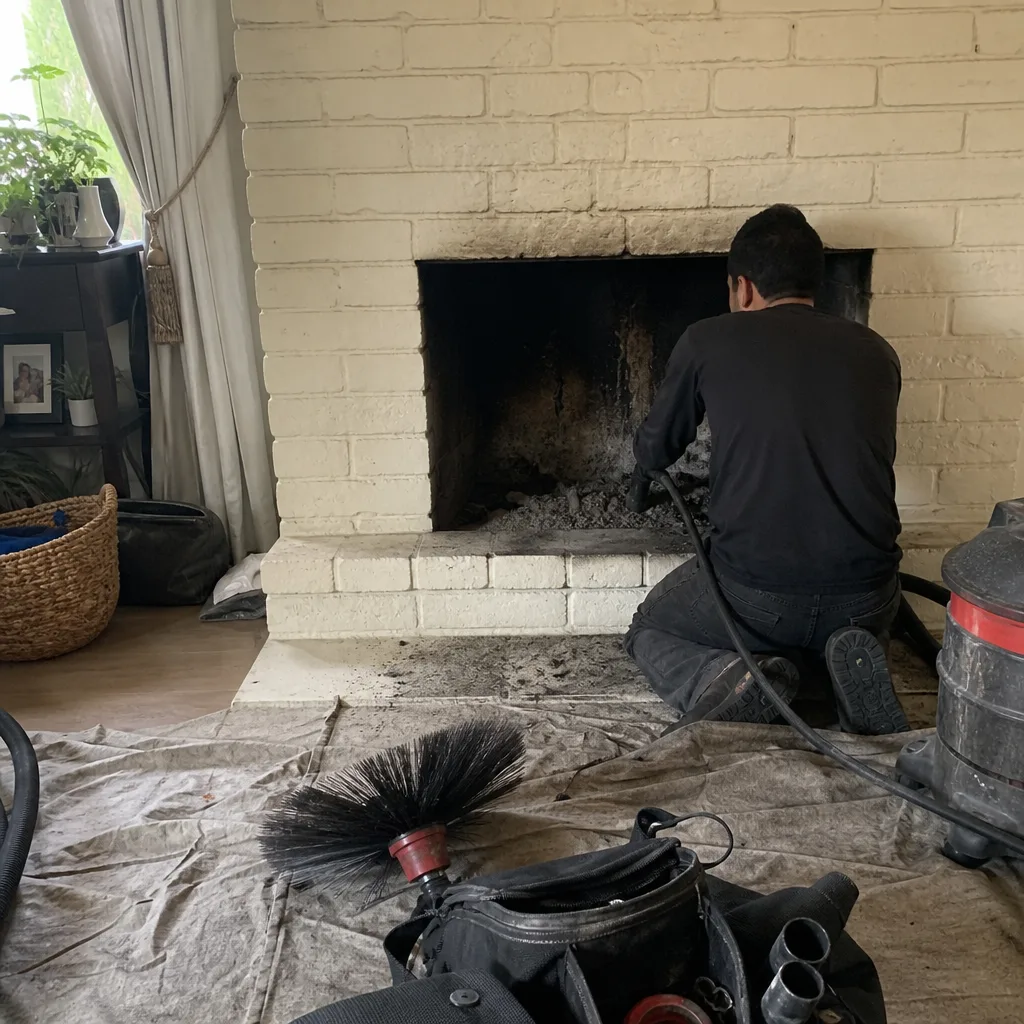
- Setup and containment. The technician lays drop cloths around the fireplace and sets up a high-power vacuum with a HEPA filter. The goal is zero dust migration into the living space. This is non-negotiable in a professional sweep.
- Visual assessment. Before any brushing starts, the technician looks at the firebox, damper, smoke shelf, flue opening, and chimney exterior to confirm the plan and note any immediate concerns.
- Mechanical cleaning. A properly sized brush, or rotary cleaning head for Stage 2 and Stage 3 buildup, is run through the flue from the top or bottom depending on the system. This removes creosote, soot, and any debris.
- Smoke shelf and damper cleaning. These areas collect more debris than anywhere else, and they can’t be reached by a flue brush alone. A good sweep includes manually clearing them.
- Final inspection. Once the flue is clean, the technician looks again with the creosote gone. This is when cracks, gaps, and damaged joints become visible that were previously hidden under deposits.
- Report and recommendation. The homeowner gets a summary of what was removed, what condition the flue and masonry are in, and whether any follow-up work is recommended. A professional report includes photos, not just a one-line note.
When repairs are needed, the materials used matter, especially in Lancaster’s heat cycling environment. A liner patched with a hardware-store product will fail the way the original did, just faster. We stock and install professional-grade chimney repair materials from manufacturers like HeatShield, Olympia Chimney, and Gelco. HeatShield’s cerfractory restoration system, in particular, is designed exactly for the kind of damaged flue that might otherwise require a full teardown and rebuild. In many cases, a flue that looks finished to an untrained eye can be restored to safe service without opening up the chimney structure at all.
That’s the practical value of a specialist. A general contractor sees a cracked flue and quotes a rebuild, because that’s what general contractors do. A chimney-focused company sees the same crack and knows whether Famco dome dampers, HeatShield liner restoration, or a full relining is the right answer. The difference shows up on the invoice and in how long the fix lasts.
A Word on Doing It Yourself
We understand the appeal of a DIY chimney sweep. The kits are sold at hardware stores, they cost less than a professional service, and online videos make the process look manageable. We want to be straight with you: some home maintenance tasks are built for DIY. Climbing onto a roof, disassembling a chimney cap, and routing a brush through a flue while creosote dust becomes airborne is not one of them.
The safety concerns are specific. Working on a sloped roof in the Antelope Valley means heat in the shoulder seasons and wind throughout the year. Ladder placements on two-story drops are not intuitive. And the creosote you’re trying to remove is the same material that causes chimney fires; stirring it up without proper containment exposes you and your home to fine particulate that settles into carpet, upholstery, and lungs. Additionally, an untrained eye cannot distinguish between a cosmetic mortar hairline and the beginning of a structural failure. The inspection is half the value of a professional sweep, and that’s the half the DIY kit cannot provide.
We’re not saying this to sell you a service. We’re saying it because we’ve repaired chimneys after DIY attempts went wrong, and the repair always costs more than the professional sweep would have. This is one system where the trained eye earns its fee.
Common Mistakes to Avoid
- Assuming wildfire smoke means the flue is still fine. Ash intrusion binds to creosote and creates a tougher, grittier layer. A post-fire-season inspection catches this before it becomes a fire risk.
- Burning unseasoned wood. In Lancaster’s dry climate, some homeowners assume wood dries faster than it does. If the wood hasn’t been split and stacked for at least six months, it’s still producing excess smoke and creosote even in low humidity. Pine and juniper from local sources need that time in the dry air before they’re ready.
- Waiting until December to book a sweep. The narrow burn-season window in the Antelope Valley means everyone schedules service in the same few weeks. Booking in September or October gives you flexibility and a clean system before the first cold snap.
- Ignoring the dryer vent. A chimney sweep is important, but the dryer vent is statistically a more likely fire source in many homes. Having both serviced by the same specialist eliminates the gap.
- Assuming a gas fireplace doesn’t need service. Gas inserts and gas logs still produce deposits, still vent through the same flue, and still need annual inspection. A gas system burning improperly can produce carbon monoxide, which has no smell and no visible warning.
- Patching mortar with hardware-store products. The thermal cycling in Lancaster breaks apart weak repairs within a season or two. Professional-grade materials cost more up front and last the way the original masonry should have.
- Skipping a Level 2 inspection when buying a home. In a hot real estate market, skipping the chimney inspection seems like a way to close faster. It’s actually a way to inherit someone else’s neglected flue without knowing it. The few hundred dollars for a Level 2 inspection can reveal a five-figure problem before you own it.
Frequently Asked Questions
Most chimney sweeps in Lancaster cost between $150 and $300 for a standard Level 1 inspection and cleaning. The price varies based on flue height, creosote severity, accessibility, and whether the chimney has been serviced recently. If a heavy Stage 2 or Stage 3 buildup requires rotary cleaning, expect to pay toward the higher end. A chimney that hasn’t been swept in several years will cost more than one on a regular maintenance schedule. Call (877) 376-0565 for an exact quote based on your system, and estimates are free.
A wood-burning fireplace used regularly through the Lancaster winter should be swept every 1 to 2 years, not on the longer intervals common in humid climates. Dry desert air hardens creosote into Stage 2 deposits faster, and waiting three or more years between sweeps means paying for the rotary equipment and extra labor a light cleaning never required. Gas fireplaces can generally go every 2 to 3 years for a basic inspection and cleaning. The cheapest chimney to sweep is the one that’s kept up, so call (877) 376-0565 to establish a schedule.
Not necessarily. Cracks in flue tiles were once an automatic full reline job, but HeatShield’s cerfractory restoration system can seal damaged sections without tearing apart the chimney structure. This matters in Lancaster because a full reline is a significantly more expensive and invasive project, and sometimes unnecessary when the damage is limited to specific areas. A camera inspection should show you exactly where the cracks are and whether restoration or replacement is the right choice. If you’ve been told a new liner is needed, get a second opinion with video evidence before approving the work. Call (877) 376-0565 and we’ll show you the footage.
The answer depends on how much creosote you’re dealing with. A thick Stage 2 or Stage 3 creosote layer is fuel, and a chimney fire burns fast and hot, often damaging the flue liner, cracking masonry, and in a worst case spreading into the attic or roof structure. Even short of a fire, a clogged or restricted flue pulls combustion gases back into the house, including carbon monoxide. In Lancaster, the dry climate doesn’t reduce the risk; it hardens creosote into its most dangerous forms more quickly. A sweep every season or two costs far less than rebuilding a chimney after a fire, and the phone number to schedule is (877) 376-0565.
September and October are the practical window. That puts service before the cold nights arrive, before burn season begins in earnest, and before service schedules fill up with homeowners who waited for the first freeze. The Antelope Valley’s no-burn days also complicate winter scheduling, because everyone wants their fireplace ready on the days they’re allowed to use it. Booking early gives you flexibility and a clean flue the day you want the first fire. Call (877) 376-0565 to get on the schedule before the rush.
Hiring a company that operates in Lancaster means the technician already knows the specific conditions of this climate: the ash intrusion, the masonry thermal cycling, and the shorter burn season. A company from outside the area might apply the moisture-focused advice that works in other climates but doesn’t translate to the Antelope Valley’s dry air and extreme temperature swings. More importantly, a dedicated chimney and vent specialist handles only chimney and vent work, rather than rotating between dozens of trade categories. The entire diagnostic focus is on your flue, your liner, and your masonry. That depth of focus is what catches the problems routine cleans miss. Call (877) 376-0565 and talk to someone who spends every workday on chimneys and vents.
Dryer vent cleaning in Lancaster typically runs from $100 to $200 when booked as a standalone service, and many homes that need a chimney sweep also have a dryer vent that hasn’t been looked at in years. The two systems are unrelated: the dryer vent is its own fire risk with its own lint buildup, and cleaning it requires different tools than a chimney flue does. Because both jobs involve navigating the same type of exterior access points and the same safety approach, bundling the two services is often more convenient and more economical than booking them separately across two different companies. Call (877) 376-0565 for combined pricing.
The Bottom Line
Lancaster’s high desert climate isn’t just a backdrop for chimney maintenance. It’s the variable that dictates how fast creosote hardens, how aggressively wildfire ash contaminates an idle flue, and how quickly masonry breaks down under daily temperature swings. Following generic chimney advice written for other climates gets you a chimney that looks fine until it isn’t. Scheduling sweeps by the start of burn season, understanding what a Level 1 versus Level 2 inspection actually tells you, and keeping an eye on the masonry joints your specific climate stresses hardest is how you own a fireplace in this valley. If you’d rather have someone who already knows this inspect, clean, and repair the system, Chimney Cleaning Lancaster offers free estimates for homeowners across Lancaster. Call (877) 376-0565 to get on the fall schedule before burn season begins. The flue doesn’t care what the calendar says, and by the time the first cold night arrives, neither will you.
Written by the team at Chimney Cleaning Lancaster, serving Lancaster since 2013. For more guides & resources, visit our blog.
See the difference
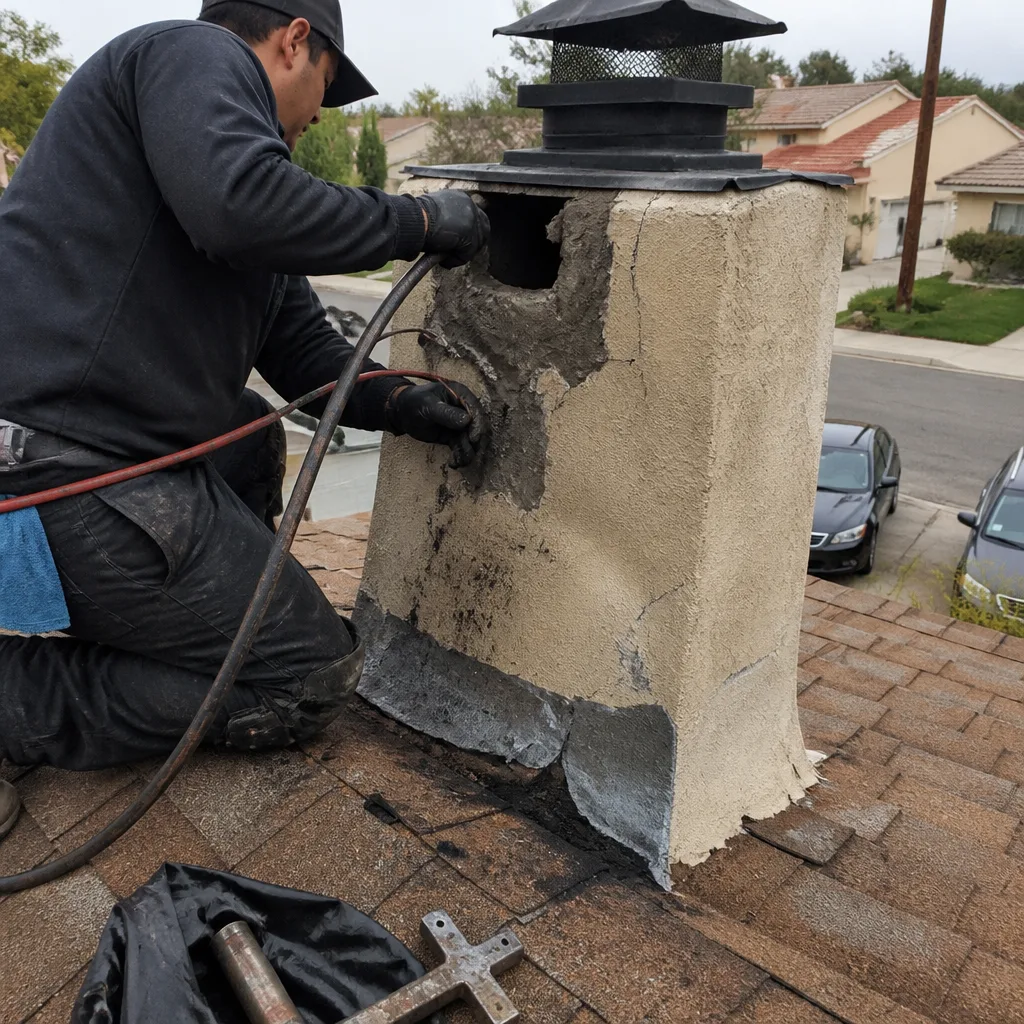 Before
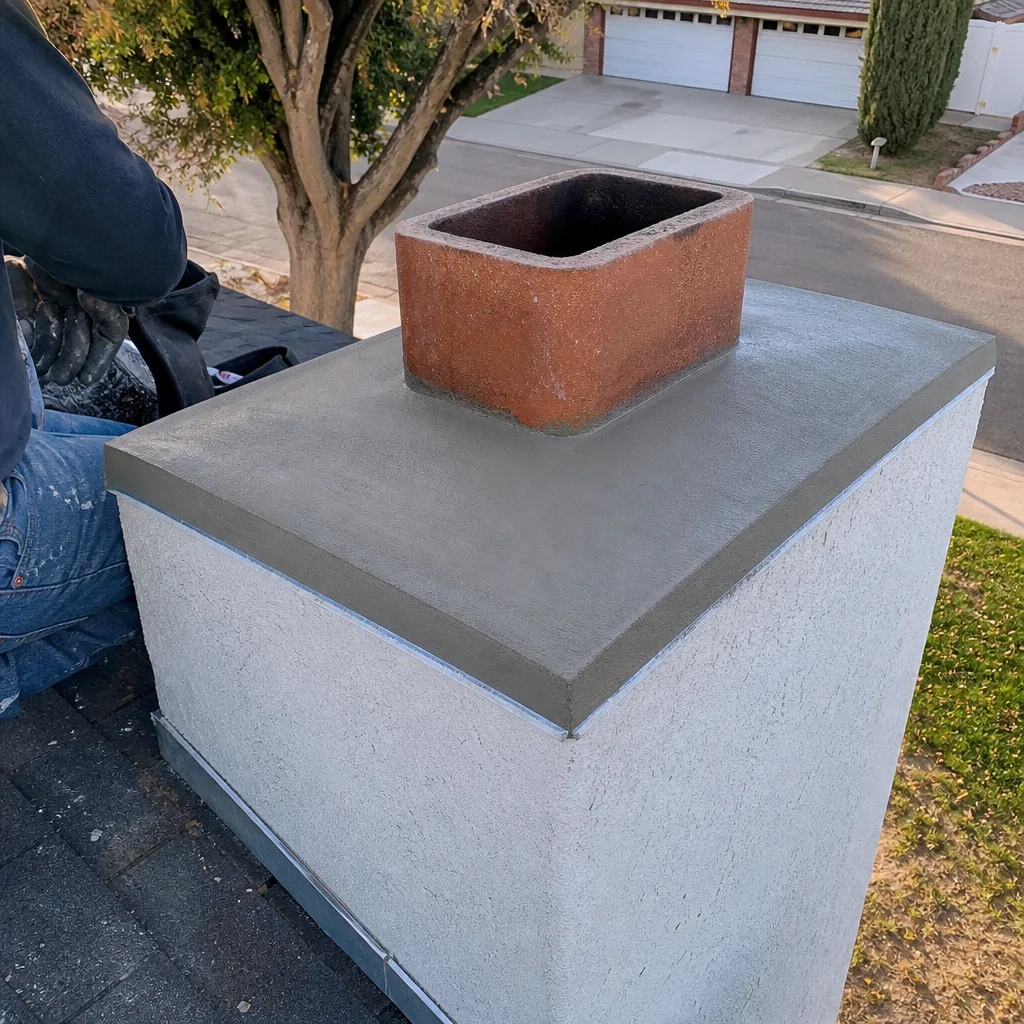 After
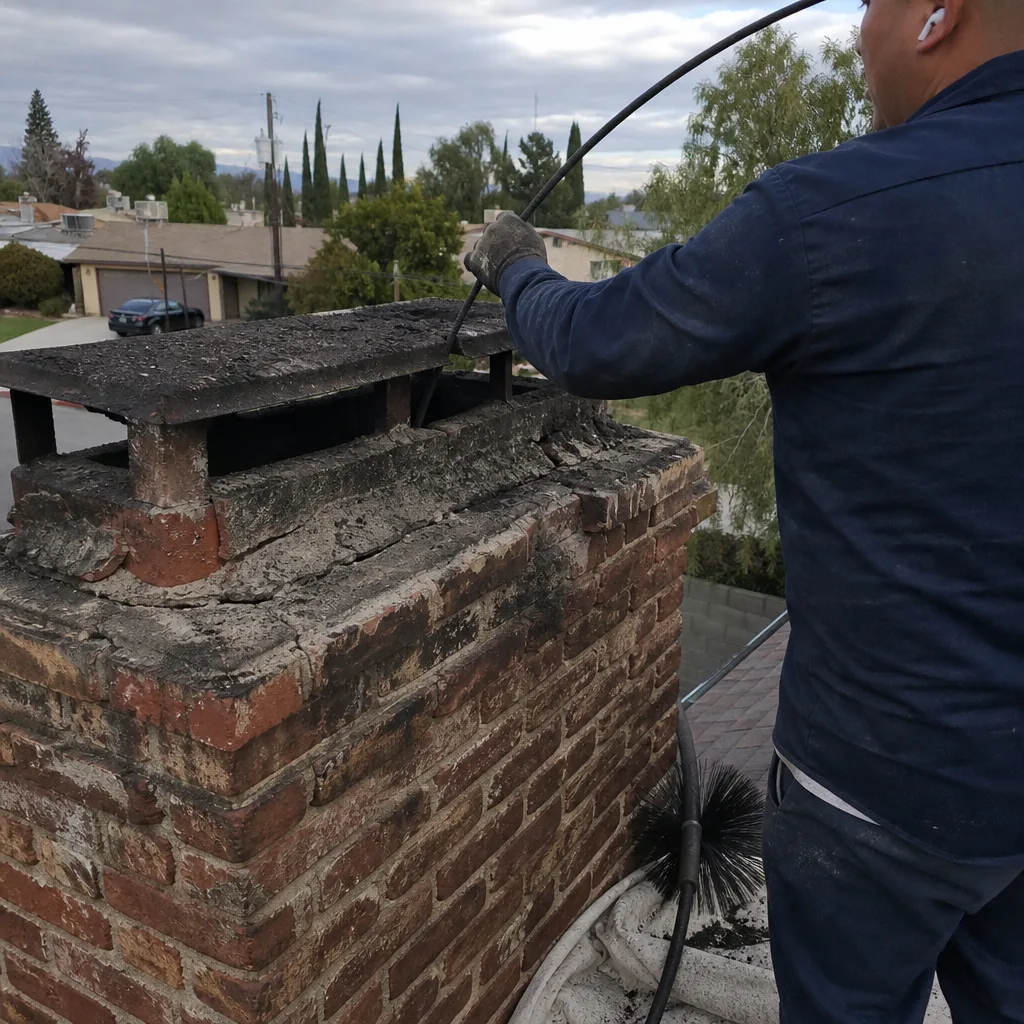 Before
 After
 Before
 After