
Last updated November 2, 2026
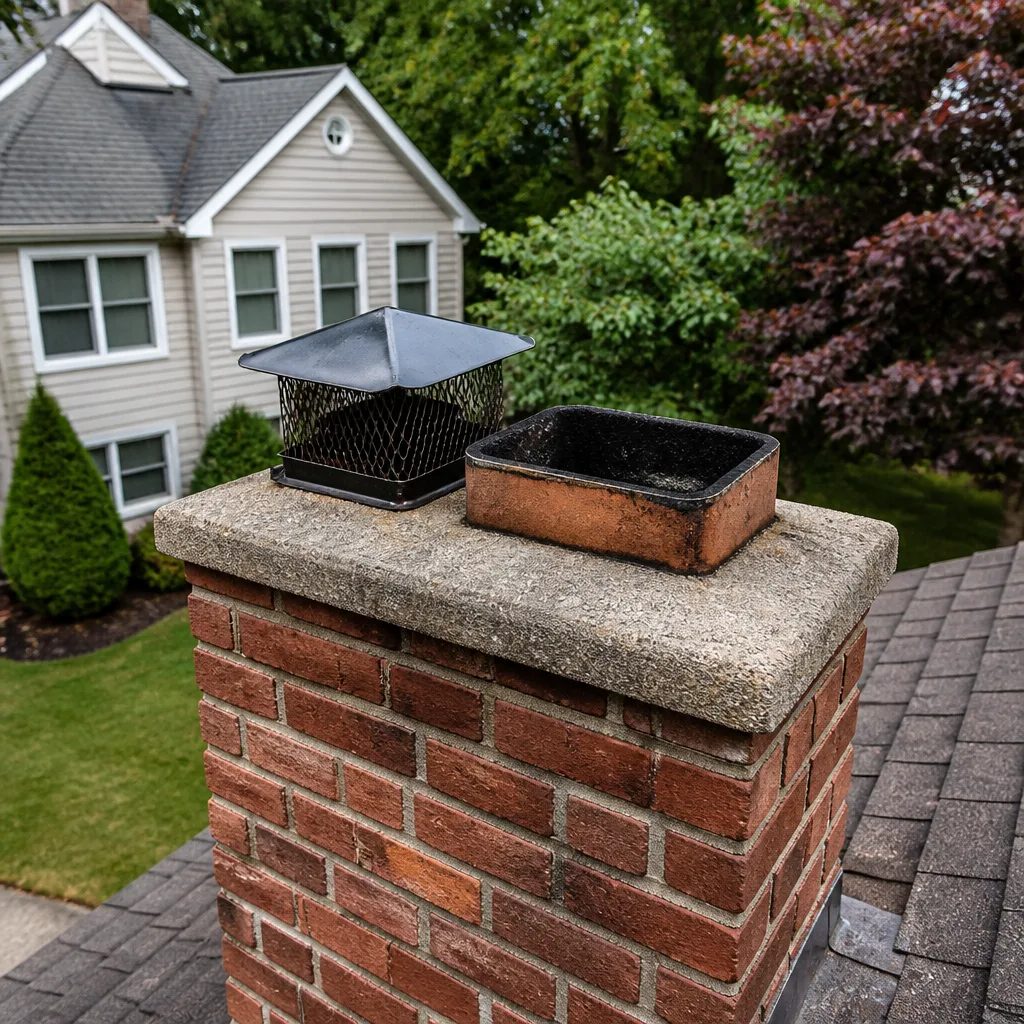 Sweep & inspection
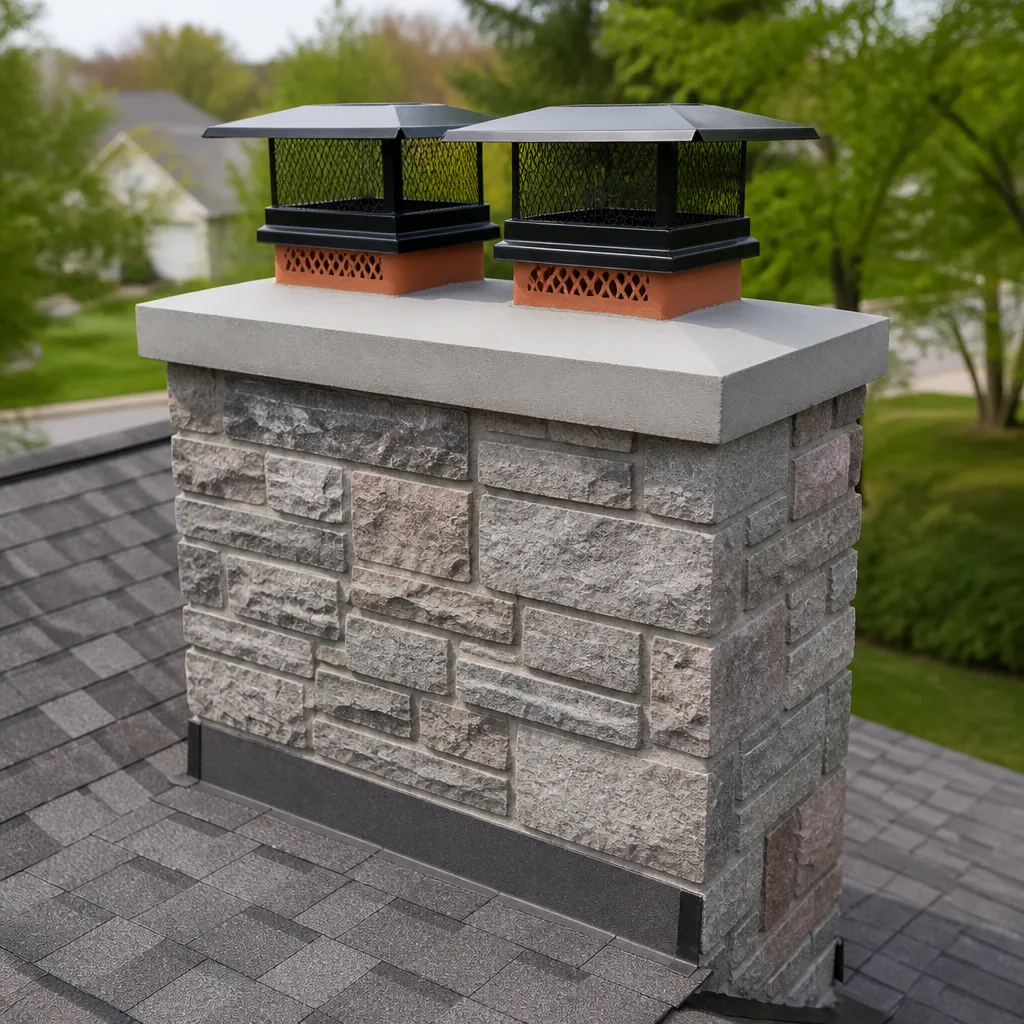 Caps & crowns
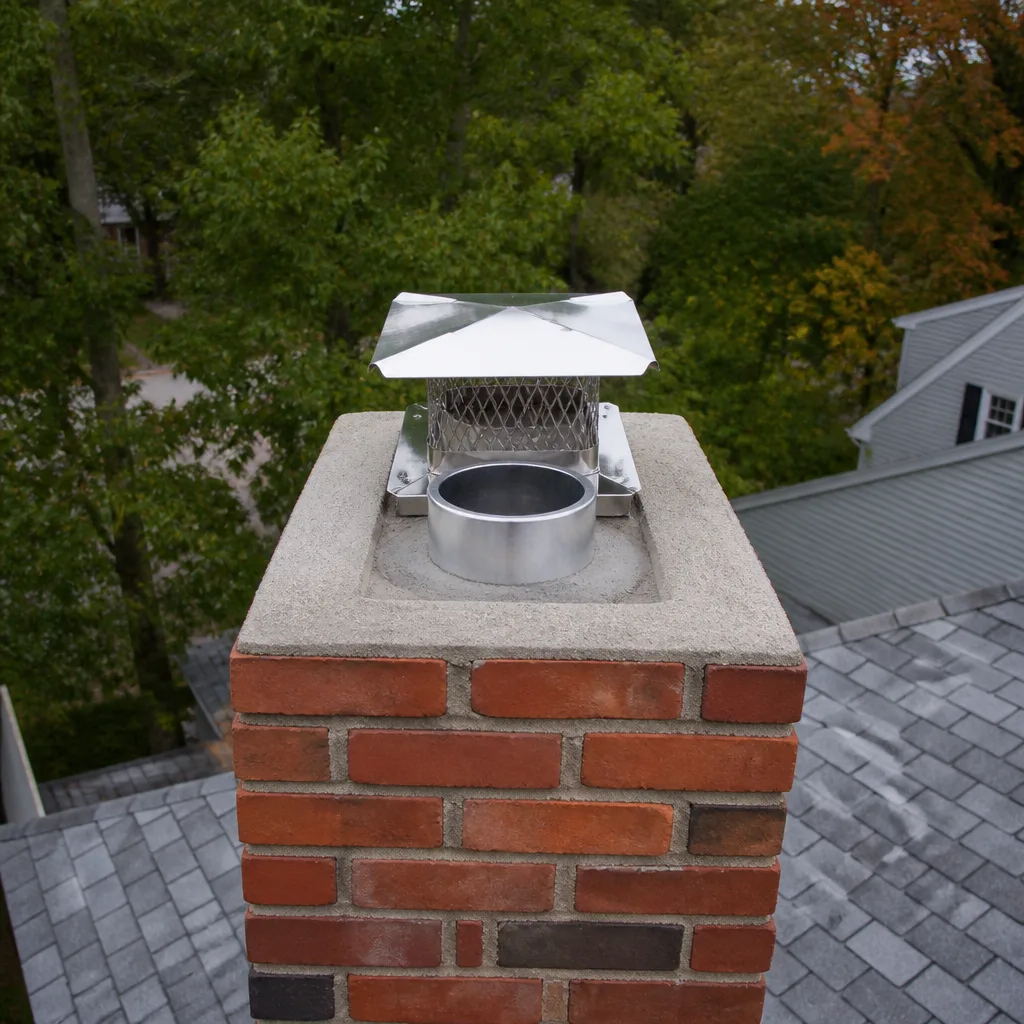 Flue relining
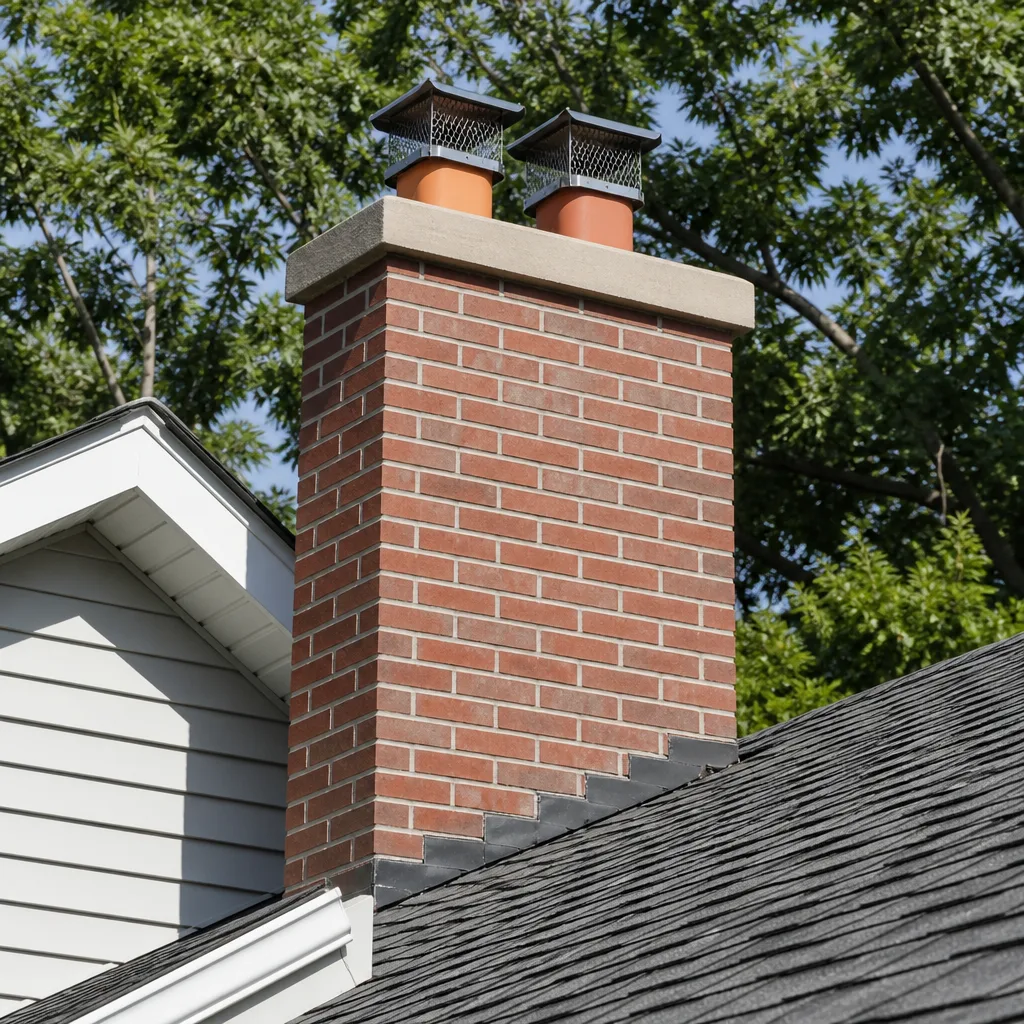 Masonry repair
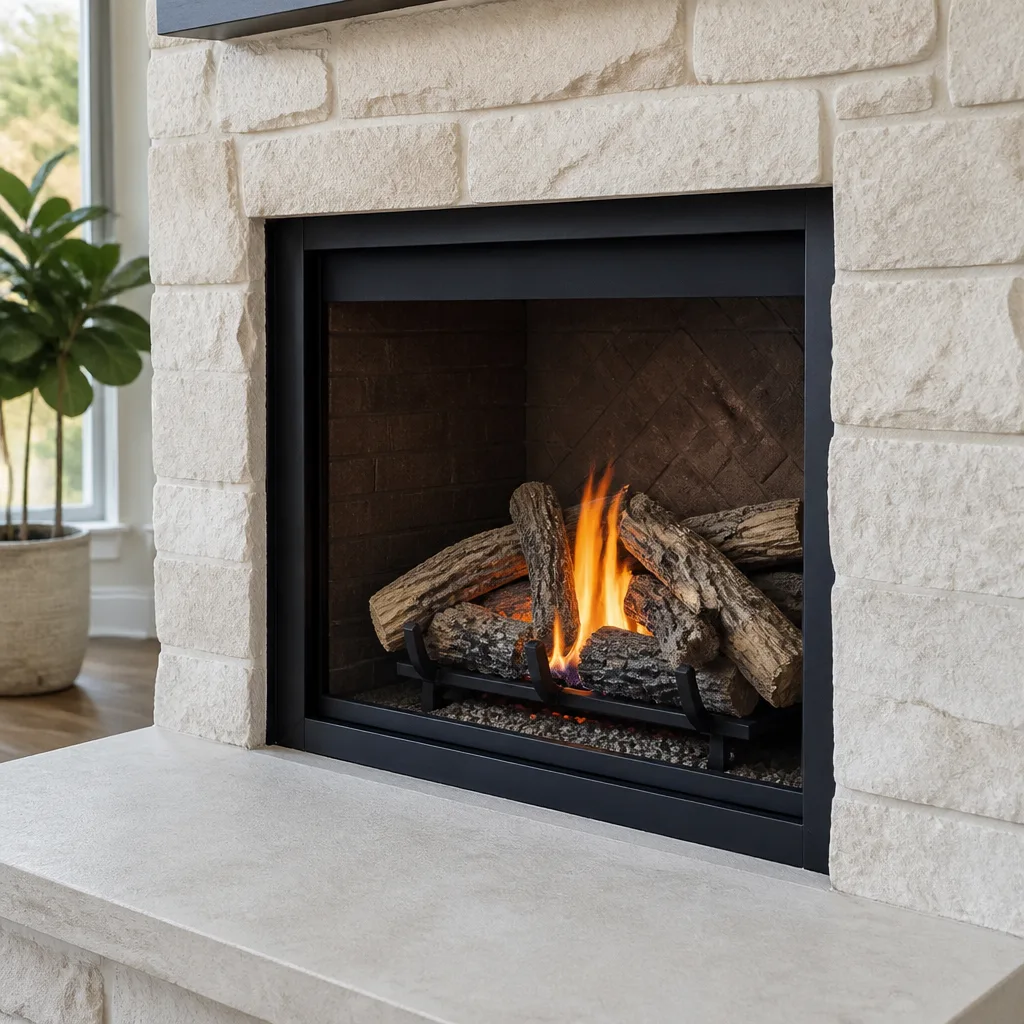 Gas fireplace service
Level 1 sweep and inspection to the NFPA 211 annual standard - flue, crown, cap, and flashing checked and photographed
Chimney sweep logs do not sweep chimneys. They loosen some creosote - which then falls where a brush and vacuum still have to collect it.
DIY vs Professional Chimney Cleaning: The Lancaster Homeowner’s Decision Guide
Here’s something that surprises most Lancaster homeowners: a standard chimney sweep brush kit costs between $60 and $120, roughly the same as one professional cleaning. So the DIY question isn’t really about money. It’s about what you can see from the fireplace opening, which is maybe 15% of the system, and what you can’t, which is the other 85%. Our more guides & resources draw that line clearly. You’ll learn exactly which creosote stages you can safely handle, what tools you’d actually need, the parts of your chimney no homeowner can evaluate without a camera, and the California liability realities that change the calculus entirely. We’ll give you a simple three-condition framework at the end. No grey area, no scare tactics.
Quick Answer
DIY chimney cleaning is reasonable for light first-stage creosote removed with a basic brush kit, but it becomes a health and safety liability at second-stage creosote or beyond. The core problem is that you cannot tell which stage you’re dealing with until you’re already inside the flue, and by then the decision has been made for you. Professional cleaning in Lancaster includes camera inspection and trained assessment that no homeowner can replicate with hardware-store tools.
Styles & brands we work with
- Sweep & inspection
- Caps & crowns
- Flue relining
- Masonry repair
- Gas fireplace service
Table of Contents
- The Creosote Stages: Where DIY Stops Making Sense
- The Real Cost of DIY vs Professional Cleaning in Lancaster
- The Parts of Your Chimney You Cannot Evaluate Yourself
- California Liability: What Happens After a Chimney Fire
- The Three-and-Three Decision Framework
- What a Professional Lancaster Sweep Actually Includes
- Gas Inserts vs Wood-Burning: Different Cleaning Rules
- Common Mistakes to Avoid
- When to Call a Professional
- Frequently Asked Questions
The Creosote Stages: Where DIY Stops Making Sense
Creosote forms in three distinct stages, and the difference between them determines whether a Saturday morning with a brush kit is responsible maintenance or a genuine safety failure. Stage-one creosote is a fine, dusty, greyish-brown soot. It brushes off with moderate effort. This is what most Lancaster homeowners picture when they think about cleaning a chimney, and if this is what’s inside your flue, DIY is genuinely reasonable.
Stage-two creosote is where things change. It’s black, it’s shiny in places, and it’s flaky rather than dusty. It forms when chimney temperatures run lower than they should, often because of restricted airflow or burning wood that hasn’t been seasoned long enough. This is the stage where a brush alone won’t do the job properly, and more importantly, where the deposits themselves tell you something is off with how the fireplace burns. In Lancaster’s high desert climate, where winter nights drop fast and fires often get stuffed with wood before bed, we see stage-two deposits form in a single season far more often than homeowners expect.
Stage-three creosote is a hardened, tar-like glaze. It looks like black glass poured down the inside of the flue. It requires chemical treatment, often the kind that professional-grade products from brands like Gelco are designed to break down, followed by mechanical removal. No wire brush from a hardware store will touch it. Attempting to scrape it off with improvised tools scores and damages the flue liner. That’s now a repair, not a cleaning.
The uncomfortable truth is that you won’t know whether you’re dealing with stage one or stage two until you’re on a ladder or inside the firebox, already committed. And by then, addressing it properly is no longer a DIY task. You can absolutely clean a light first-stage deposit yourself. The problem is that the system gives you no reliable way to confirm that’s what you’re dealing with before you start.
The Real Cost of DIY vs Professional Cleaning in Lancaster
Let’s put actual numbers on the table, because most of what’s written online about DIY chimney cleaning costs ignores what a proper kit actually includes. A basic brush-and-rod kit from a big-box store runs $60 to $120. That kit includes a brush sized for your flue, enough rod sections to reach the full height, and sometimes a tarp. What it doesn’t include: a high-powered vacuum designed for fine particulate, which runs $150 to $300. A drop cloth heavy enough to protect carpet from black soot: $20 to $40. A respirator rated for creosote dust, not just nuisance dust: $25 to $50. Gloves, eye protection, and a flashlight that actually reaches the top of the flue: another $30.
Call it $300 to $500 for a first-time setup if you’re doing it responsibly. A professional chimney sweep in Lancaster runs $150 to $300 in this market, and it includes the cleaning, the mess containment, and the inspection – see our Chimney Cleaning Cost Breakdown: The Lancaster Homeowner’s Reference for 2026 for full details. The professional visit costs less than the tool setup, not more.
Over time, the brush and rods pay for themselves if you use them regularly and never encounter anything beyond stage-one creosote. But the cost comparison everyone forgets is the inspection. A professional sweep includes a visual assessment of the flue, the crown, the cap, and the firebox. When you clean your own chimney, you’re buying tools but not expertise. The tools remove soot. They don’t tell you that your flue tiles are cracked, your crown is spalling, or your damper is warped. In our experience cleaning chimneys across Lancaster, roughly one in five homes has a condition that would have gone unnoticed without a trained inspection. That’s the cost nobody prices into the DIY spreadsheet.
The Parts of Your Chimney You Cannot Evaluate Yourself
From the fireplace opening, looking up, you can see perhaps the first few feet of flue. From the roof, looking down, you can see the top couple of feet if you’re comfortable on a ladder with a flashlight. What you cannot see from either end is the middle 60 to 70% of the liner. That’s where cracked flue tiles hide. That’s where animal nests sit in Lancaster chimneys, built by birds and squirrels looking for a warm cavity out of the desert wind. That’s where a previous homeowner’s cheap repair job fails.
A professional evaluation uses a camera. Not a phone on a stick. A purpose-built chimney camera on a push rod, with a light source bright enough to illuminate the full circumference of the flue at the same time, recording the whole pass so you can see it yourself. Cameras reveal hairline cracks before they become structural failures. They reveal gaps in mortar joints that let hot gases reach combustible framing. They reveal nests you’d never see from either opening. None of this is visible to the naked eye from the firebox or the crown.
There’s also the crown and flashing assessment. Lancaster gets less rain than coastal California, but what it gets arrives in short, intense bursts, and the freeze-thaw cycle in winter damages masonry crowns faster than homeowners expect. A cracked crown lets water into the chimney structure, and water is the enemy of every masonry chimney. Identifying the early signs of crown failure requires training. It’s not something a brush kit tells you.
This is why the DIY-versus-professional question is really an information question. You’re not asking whether you can run a brush through a flue. You can. You’re asking whether you can evaluate what condition the flue is in before, during, and after that brushing. And that answer, for nearly every Lancaster homeowner, is no.
California Liability: What Happens After a Chimney Fire
Here’s the part of the DIY calculus that most online guides skip entirely. In California, if you clean your own chimney and that chimney later catches fire, your homeowner’s insurance claim is in a different position than if a licensed professional had cleaned it. Insurance adjusters look for maintenance records. A professional cleaning produces a dated service record, a description of what was found, and a certification that the system was functioning properly at the time of service. A DIY cleaning produces nothing except your word.
That matters in a state where wildfire is a year-round concern. Lancaster sits in a high fire-risk zone, and insurance companies in California are already aggressive about chimney maintenance documentation. If a chimney fire spreads to the roof or to surrounding property, and the homeowner’s only maintenance record is a brush kit receipt from a hardware store, the claim can be contested. We’re not saying a claim will be denied. We’re saying the burden of proof shifts in a way that makes the $150 to $300 professional sweep look very inexpensive.
Beyond insurance, there’s the question of what a professional would have caught. If a self-cleaned chimney has a hidden cracked liner and that liner fails, the fire is categoryically different from a dirty-chimney fire. The homeowner who cleaned it themselves had no way of knowing the liner was cracked. The professional who inspected it with a camera did. That’s the kind of distinction that comes up when a neighbor’s house is damaged. For homeowners in and around Lancaster, where homes sit on larger lots with more defensible space but also more wind, the stakes are real.
The Three-and-Three Decision Framework
Here’s the clear line we promised at the top. Three conditions where DIY chimney cleaning makes genuine sense, and three where it doesn’t. No hedging, no insurance-flavored ambiguity.
DIY Makes Sense When:
- You burned clean, dry wood all season. If you burned only seasoned hardwood, kept fires hot, and never had a smoldering overnight fire, you likely have light first-stage creosote that a brush can remove. This is the one scenario where a homeowner with a proper kit and a careful approach achieves a meaningful result.
- You’re cleaning as preventive maintenance between professional inspections. You had a professional sweep last year, the flue was camera-inspected and found to be in good condition, and you’re doing a light brushing mid-season. This is smart. The professional established the baseline. The DIY brushing maintains it.
- Your chimney is short and straight, you have a good ladder, and someone is spotting you. A single-story ranch home in Lancaster with a straight flue and easy roof access is a different proposition than a two-story home with a steep pitch. If you can safely access the crown, you’re comfortable on a ladder, and you have a second person on the ground, the physical access isn’t a barrier.
DIY Does Not Make Sense When:
- You don’t know what stage of creosote you’re dealing with. That’s most homeowners, most of the time. If you’ve never had a professional inspection, you have no baseline. Cleaning blind is how second-stage deposits get half-removed and third-stage glazes get scraped into the liner.
- The chimney hasn’t been professionally evaluated in more than 24 months. A lot changes in a Lancaster chimney over two years: thermal cycling, moisture intrusion from winter storms, animal activity. Cleaning a chimney that hasn’t been inspected means cleaning a system whose structural condition is unknown. That’s risk without reward.
- You notice any of the following: visible cracks in the firebox, loose bricks on the crown, water stains on the ceiling near the chimney, a strong smokey smell when the fireplace isn’t in use, or animals sounds from inside the chimney. Any one of these requires professional assessment before cleaning, not instead of it. Cleaning a damaged chimney is like washing a car with a cracked engine block. The wash isn’t the issue.
What a Professional Lancaster Sweep Actually Includes
A proper professional sweep is not a guy with a brush and a tarp. Here’s what a full-service cleaning at a Chimney Sweep in Lancaster involves, step by step, so you know what you’re comparing against when you weigh it against DIY.
- Pre-inspection of the firebox and damper. Before any tools come out, the technician looks at what’s visible: firebox condition, damper operation, signs of water intrusion, evidence of animal activity. This establishes the starting point.
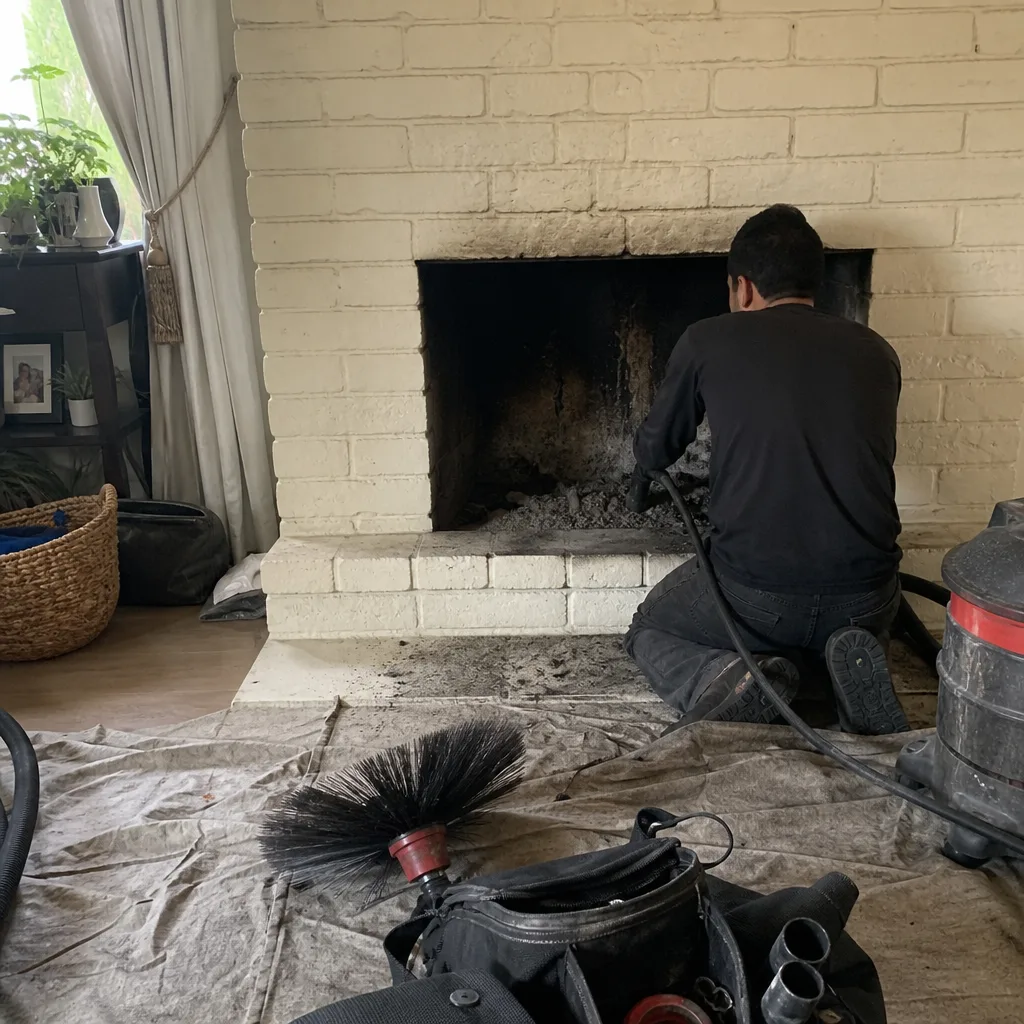
- Containment setup. Drop cloths, a chimney shroud, and a high-powered vacuum with a HEPA filter. The vacuum runs throughout the cleaning. This is the part DIYers underestimate most: the fine particulate that escapes a non-contained cleaning gets into everything within twenty feet of the fireplace.
- Mechanical brushing from top or bottom, depending on the system. The brush removes stage-one and most stage-two deposits. Professional-grade rods and brushes sized correctly to the flue diameter. The right brush for a round flue is different from the right brush for a square or rectangular one.
- Camera inspection of the full flue. This is the step that no DIY kit includes, and it’s the step that matters most. The full liner is recorded and reviewed. You see what the technician sees. Nothing is recommended based on what’s invisible to you.
- Report and recommendations. You get a clear summary: what was found, what was cleaned, what needs attention now, and what can wait. If a liner issue is identified, products like HeatShield or DuraFlex professional-grade systems may be relevant, and that’s a separate conversation with Chimney Repair in Lancaster specialists, not something tacked onto a sweep.
The professional sweep isn’t just removal. It’s removal plus assessment. The assessment is the part you cannot buy at a hardware store, and it’s the part that turns a $200 visit into a five-year head start on catching a $1,500 repair before it becomes a $6,000 one.
Gas Inserts vs Wood-Burning: Different Cleaning Rules
Lancaster has a split population: older homes with traditional wood-burning masonry chimneys, and newer developments with gas inserts or direct-vent gas fireplaces. The cleaning requirements are completely different, and treating them as interchangeable is a common error.
A wood-burning fireplace produces creosote. Every fire produces some, no matter how hot or how clean the wood. The cleaning schedule is driven by creosote buildup, and the recommendation is generally an annual inspection with cleaning as needed. In Lancaster, where burning season runs roughly November through February, one cleaning at the start of the season or end of it is typical for regular users – our Seasonal Chimney Cleaning Care for Lancaster: Year-Round Homeowner’s Guide explains the timing.
A gas insert produces no creosote. What it does produce is soot buildup on the glass, dust accumulation on the burner and logs, and occasionally a blockage in the vent from debris or animal nesting. The cleaning is different: it’s not about scraping tar, it’s about verifying vent integrity and clearing obstructions. Many homeowners assume gas means no maintenance. That assumption is how nests go undetected. Gas appliance vents can become blocked just like any other vent, and carbon monoxide is the result. The cleaning interval is longer than wood, often every two to three years, but inspection of the venting is just as important.
And this is the right place to mention that the expertise overlaps. The same chimney and vent specialist who understands creosote condensation also understands gas appliance venting requirements, because both are combustion venting systems. The principles are shared even though the deposits are different. Our Chimney Cleaning Lancaster home covers the full scope of what this looks like in practice. The point for this guide is simple: know which system you have, because the DIY calculus is completely different for a gas insert. There is no brush kit for a gas fireplace. If you’re cleaning it yourself, what you’re actually doing is wiping glass and hoping the vent is clear. Hoping is not a maintenance plan.
Common Mistakes to Avoid
- Assuming all creosote is cleanable with a brush. Stage-three glazed creosote requires chemical treatment and mechanical removal with professional tools. A brush simply polishes the surface, leaving the fire hazard intact and giving the homeowner false confidence.
- Cleaning from the bottom without sealing the fireplace opening. The shroud and vacuum setup exists for a reason. Soot drawn into the living space is not a cosmetic nuisance; it’s a respiratory irritant that settles into carpets and upholstery and is extremely difficult to fully remove once airborne.
- Using improvised tools. We’ve seen chimneys damaged by homeowners using chains on ropes, weighted bags, and improvised scrapers. These tools damage the flue liner, and flue liner damage is a structural repair, not a cleaning cost. The $60 brush kit just became a $3,000 liner job.
- Skipping the camera inspection because the brush “came out clean.” A clean brush tells you nothing about the condition of the flue liner, the crown, or the mortar joints. It tells you only that the brush traversed the flue. Structural problems don’t announce themselves on the brush.
- Waiting until fall in Lancaster. Every chimney professional in the Antelope Valley is booked solid from September through December. If you want service, schedule in spring or summer. If you’re doing DIY, do it before the burning season starts, not the week before Thanksgiving when you realize you haven’t thought about the chimney since March.
- Ignoring the dryer vent because it’s not a chimney. It’s connected to the same family of concerns: lint is a fire hazard, a blocked vent is a carbon monoxide concern for gas dryers, and the warning signs are invisible until performance degrades. Dryer Vent Cleaning in Lancaster is a separate service, but the same principle applies: what you can’t see is what’s dangerous.
When to Call a Professional
Call a professional when any of these apply: you don’t know the stage of creosote in your flue, it’s been more than two years since the last inspection, you see visible damage inside or outside the chimney, you smell smoke when the fireplace is cold, you hear animal sounds from inside the flue, or you’re dealing with a gas insert that hasn’t been checked since installation – our How to Hire a Chimney Cleaning Contractor in Lancaster: A Step-by-Step Guide can help you choose. These aren’t edge cases. They describe the majority of Lancaster chimneys we see.
Chimney Cleaning Lancaster offers free estimates in Lancaster. We’ll assess your system, show you what we’re seeing, and tell you plainly what needs to happen now and what can wait. Call (877) 376-0565 to schedule. The estimate commits you to nothing.
Frequently Asked Questions
A professional chimney sweep in Lancaster typically costs between $150 and $300, depending on the system type, accessibility, and amount of buildup. This includes the cleaning, containment, and camera inspection. Call (877) 376-0565 for an exact quote; estimates are free.
Yes, if you have light first-stage creosote and a straight flue with easy roof access, a brush kit can remove the deposit. What it cannot do is tell you whether stage-two or stage-three creosote is present, whether the liner is cracked, or whether an animal has nested mid-flue. Those are the conditions where DIY crosses from maintenance into risk.
Wood-burning chimneys should be inspected annually and cleaned when creosote buildup reaches 1/8 inch, which for most regular users in Lancaster means an annual cleaning. Gas inserts should be inspected every two to three years. The interval depends on how often you burn, what you burn, and how the system was built.
Creosote accumulates. At stage two it’s a fire hazard. At stage three it’s an unavoidable fire hazard that also damages the liner as it bakes on. The risk isn’t abstract: chimney fires in masonry flues burn hot enough to crack the liner, and once the liner is cracked, the next fire can reach combustible framing. Skipping a cleaning doesn’t just defer maintenance; it converts a $200 service into a potential structural repair.
No. Gas fireplaces don’t produce creosote, so the cleaning is different: glass cleaning, burner and log dusting, and vent inspection for blockages like animal nests or debris. The vent inspection is the critical part, because a blocked gas vent produces carbon monoxide. Cleaning intervals are longer, but the need for professional inspection is the same.
No. A cleaning removes deposits. An inspection evaluates the structural and functional condition of the system: the liner, crown, cap, damper, and firebox. Professional services include both in the same visit. This is the core advantage over DIY, which addresses only deposit removal and leaves the structural questions unasked.
Creosote deposits are removed by sweeping. If the liner has already been damaged by heat, moisture, or age, that’s a repair, not a cleaning. Professional-grade products like HeatShield and DuraFlex are specified by technicians for liner restoration and relining, and the distinction matters: cleaning addresses the deposit, repair addresses the surface the deposit sits on.
Typically yes, but the claim process goes more smoothly with documented professional maintenance. Insurance adjusters look for records, and a dated service report from a licensed chimney professional carries weight that a hardware-store receipt does not. In a high fire-risk region like Lancaster, documented chimney maintenance is becoming a standard expectation, not a bonus.
The Bottom Line
The DIY-versus-professional chimney cleaning question is not a skill question. It’s a visibility question, and the honest answer is that most of what matters in a chimney is invisible to the person holding a brush. Light first-stage creosote on a straight flue with easy access, after a recent professional inspection, is genuinely DIY territory. Everything beyond that, which is most of what we see in Lancaster, requires a camera, trained assessment, and professional-grade materials. That’s not gatekeeping. That’s the difference between cleaning a system and evaluating one. The brush removes what you can see. The professional finds what you can’t. For a free estimate in Lancaster, call (877) 376-0565.
Written by the team at Chimney Cleaning Lancaster, serving Lancaster since 2013.
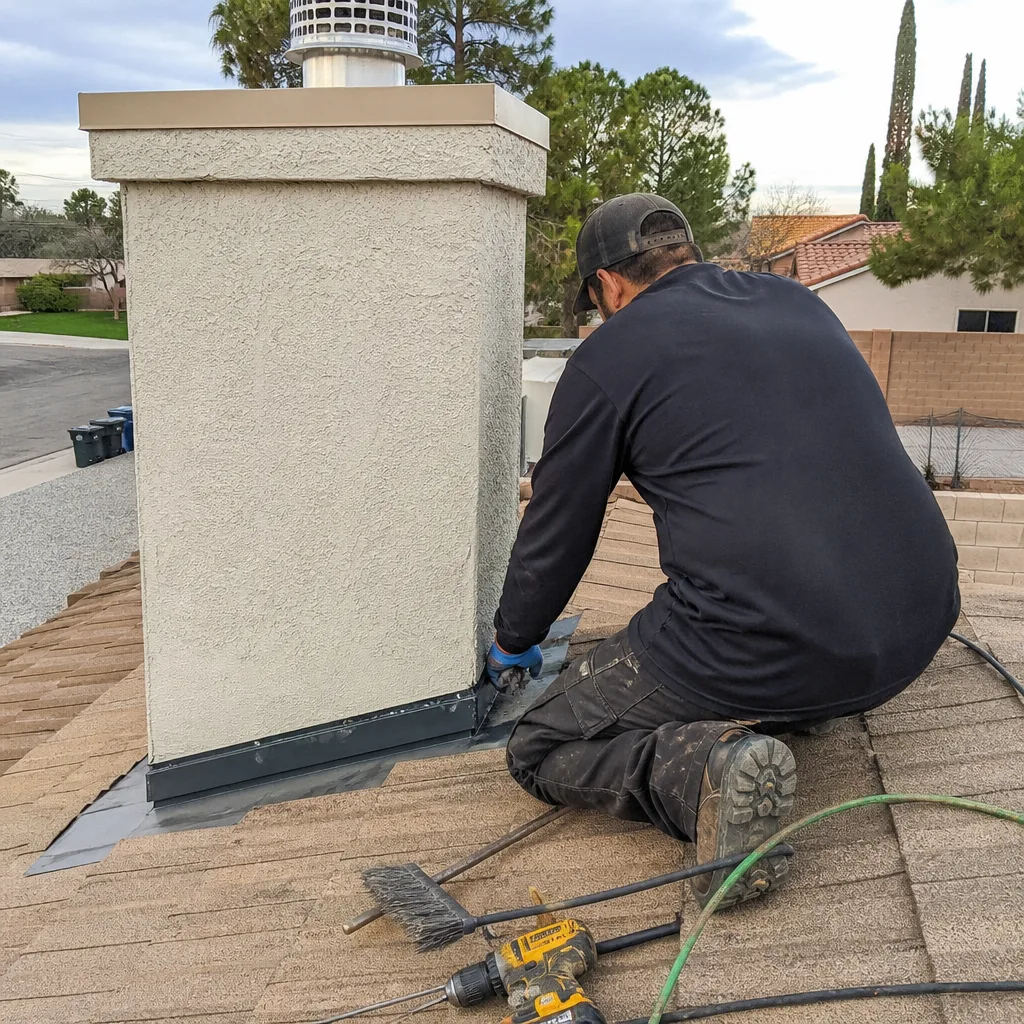
See the difference
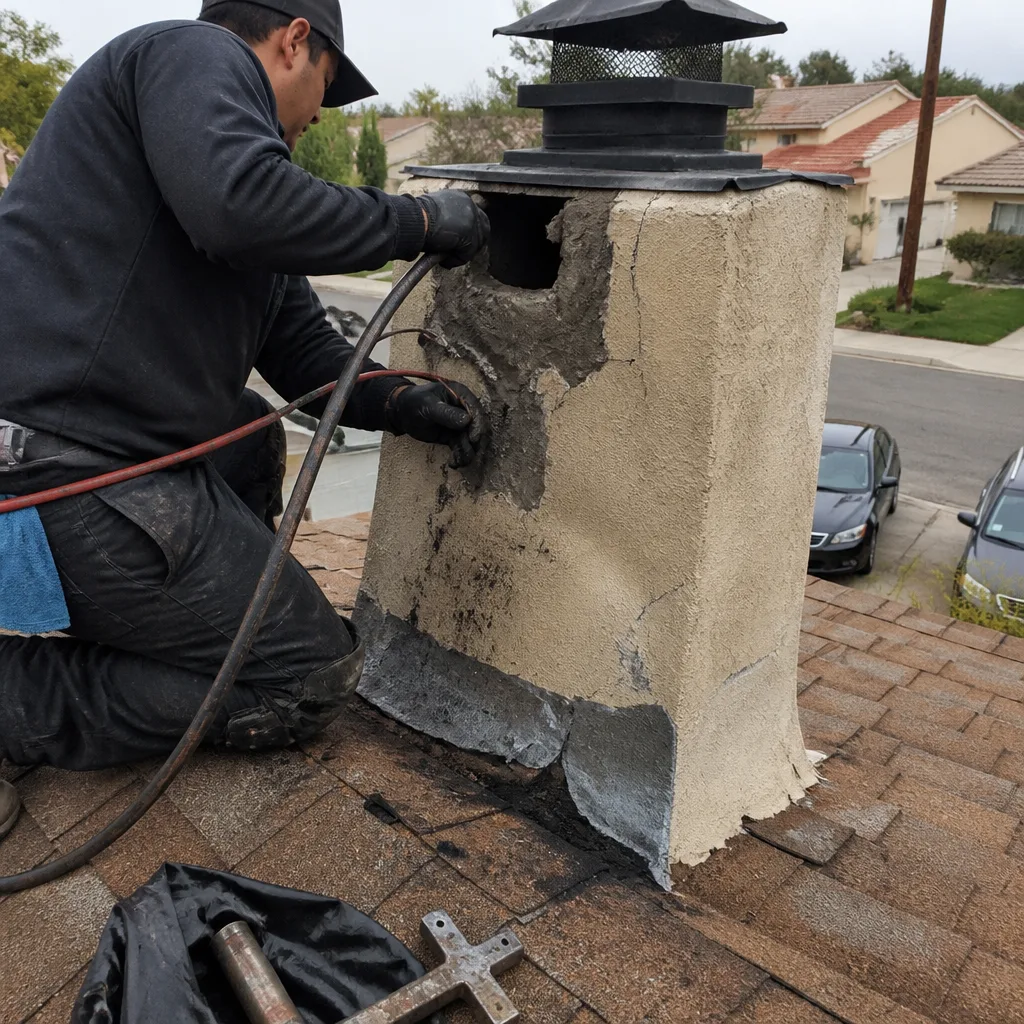 Before
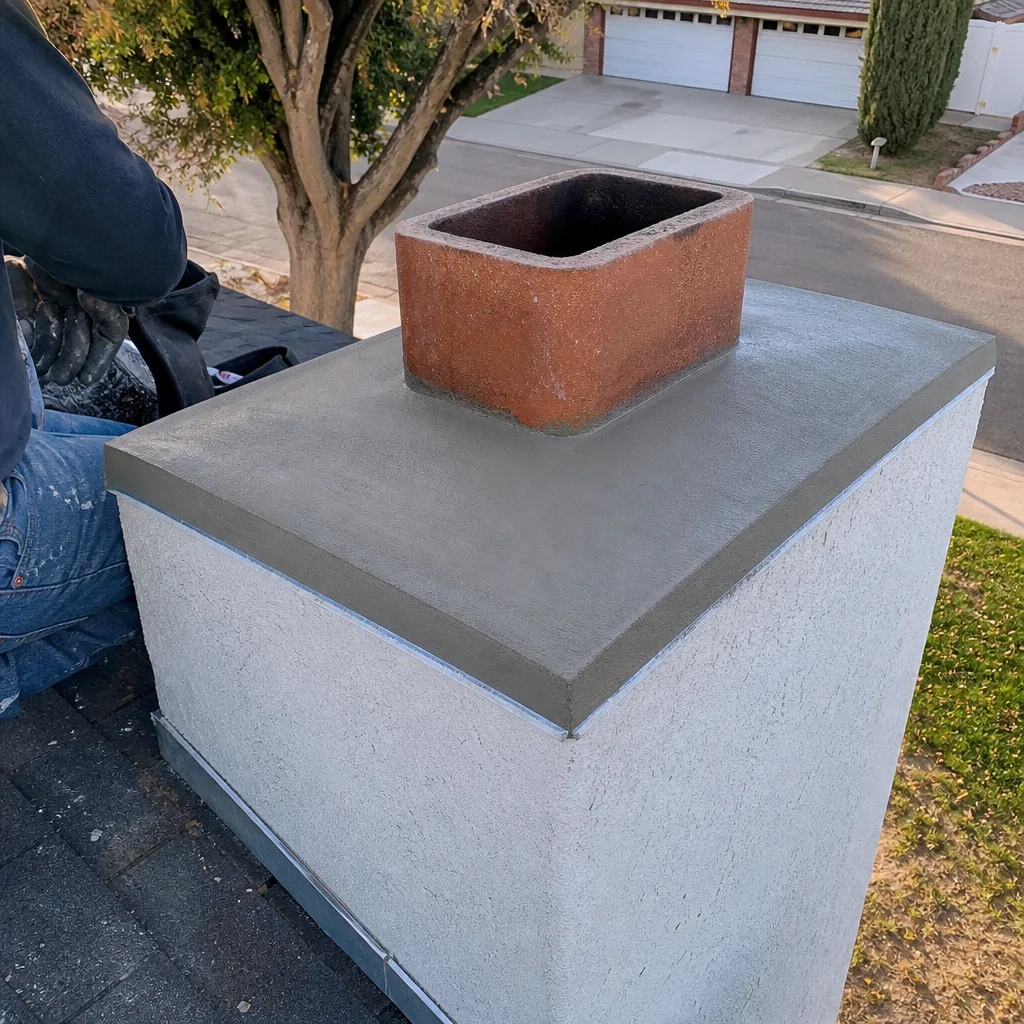 After
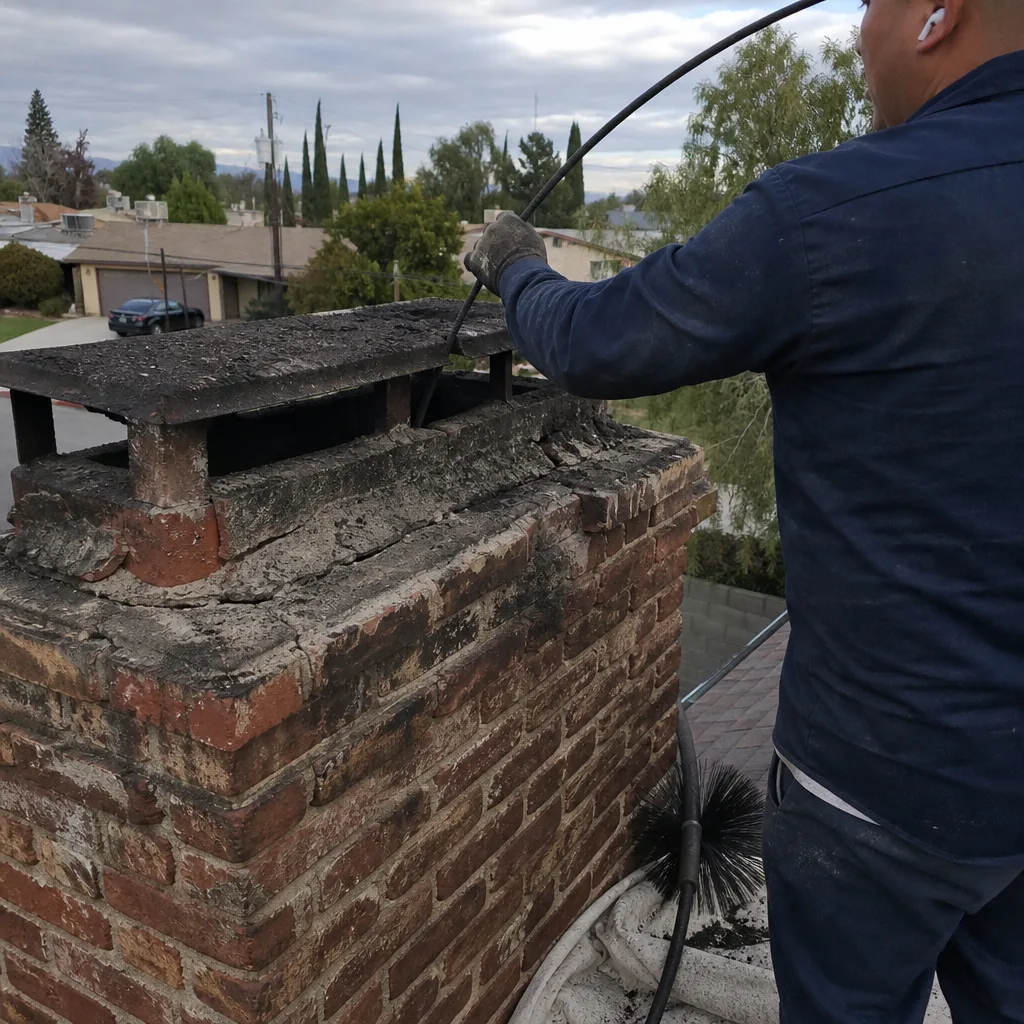 Before
 After
 Before
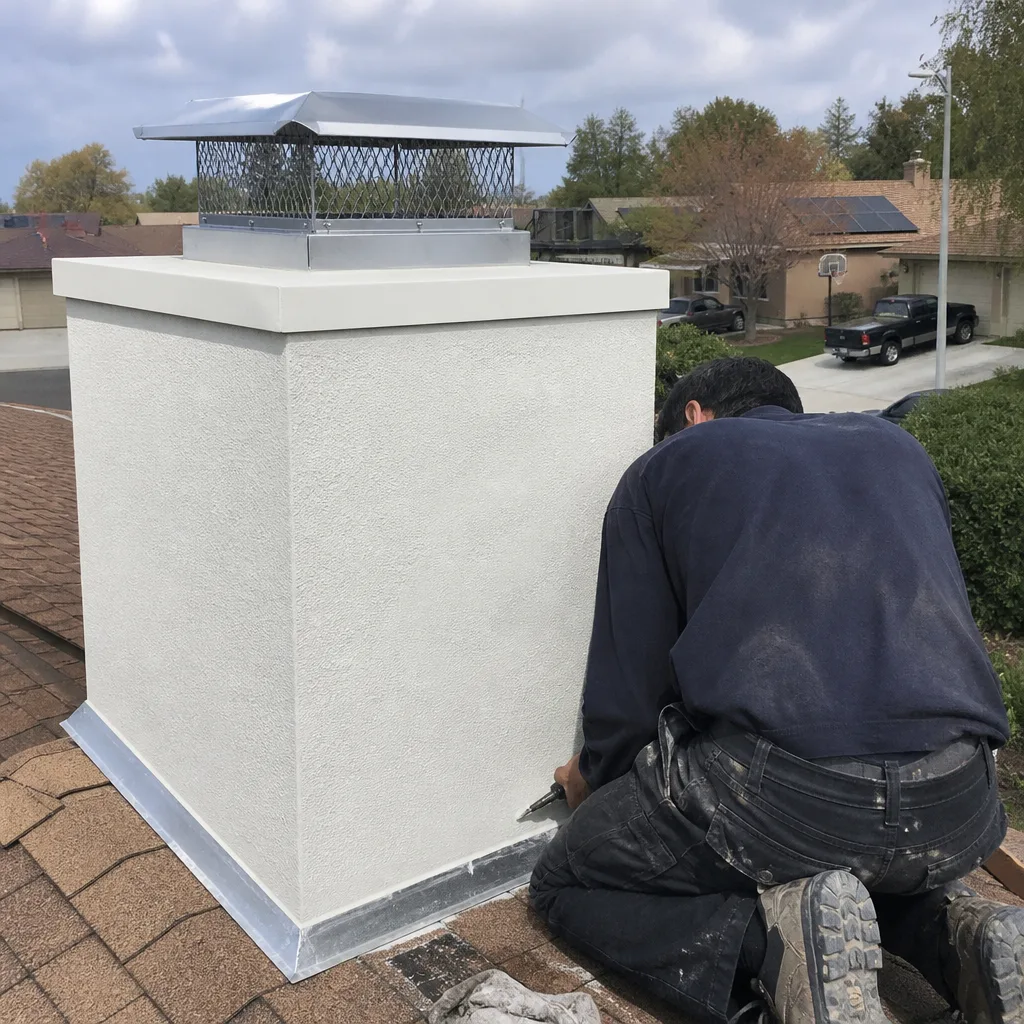 After