
Last updated November 2, 2026
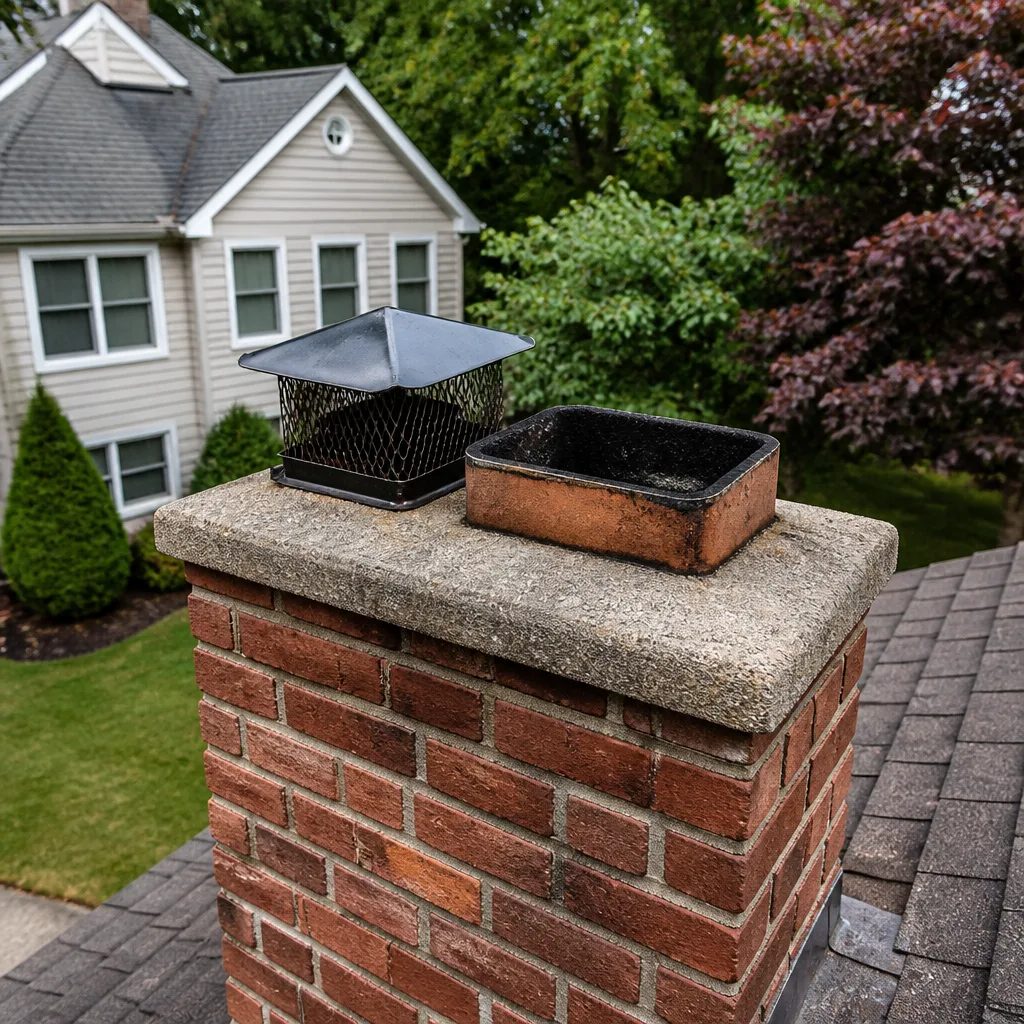 Sweep & inspection
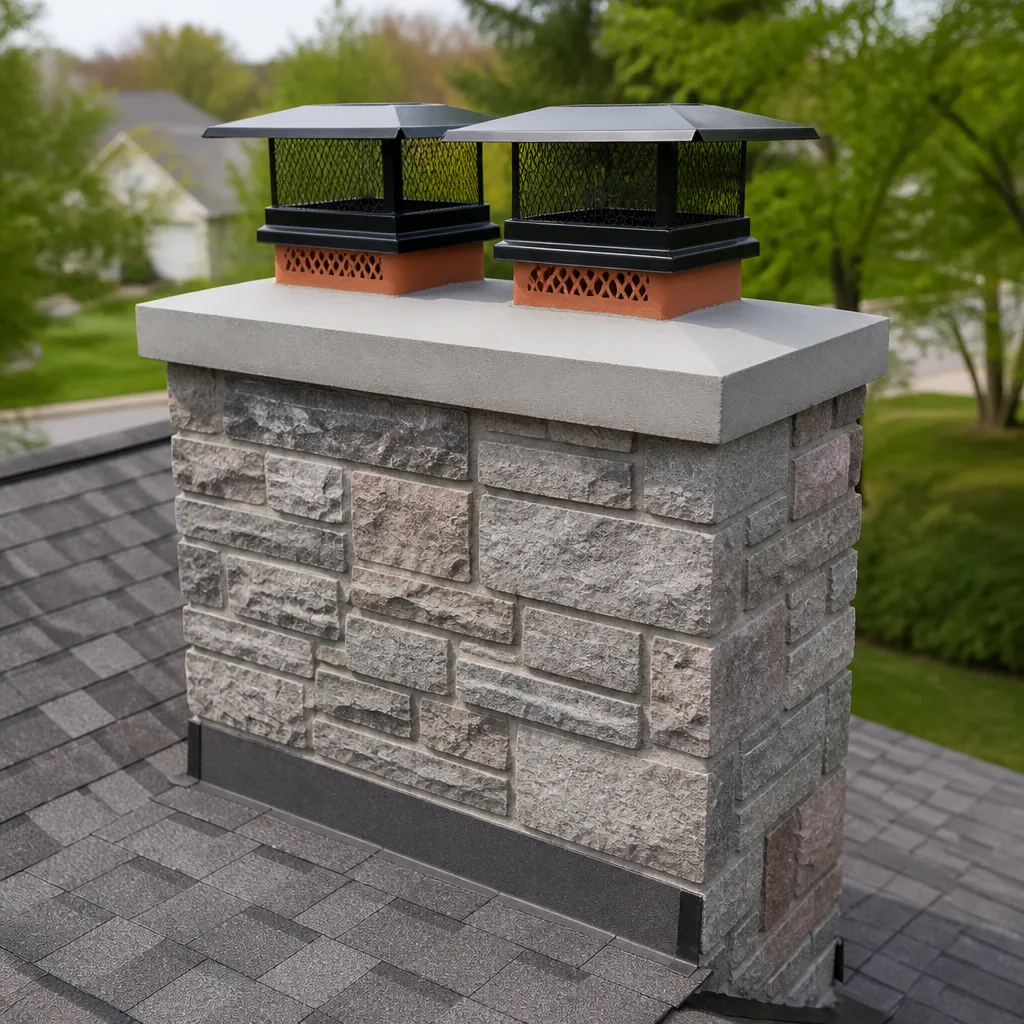 Caps & crowns
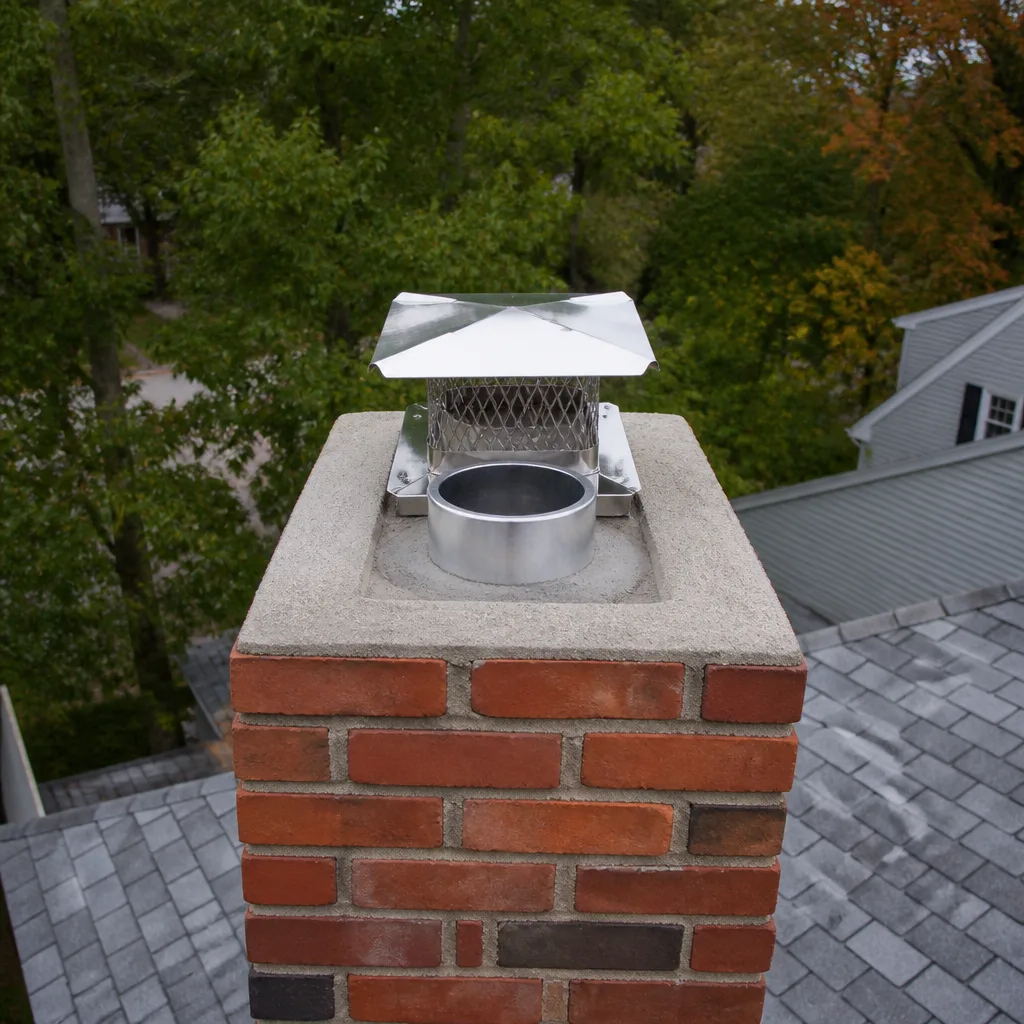 Flue relining
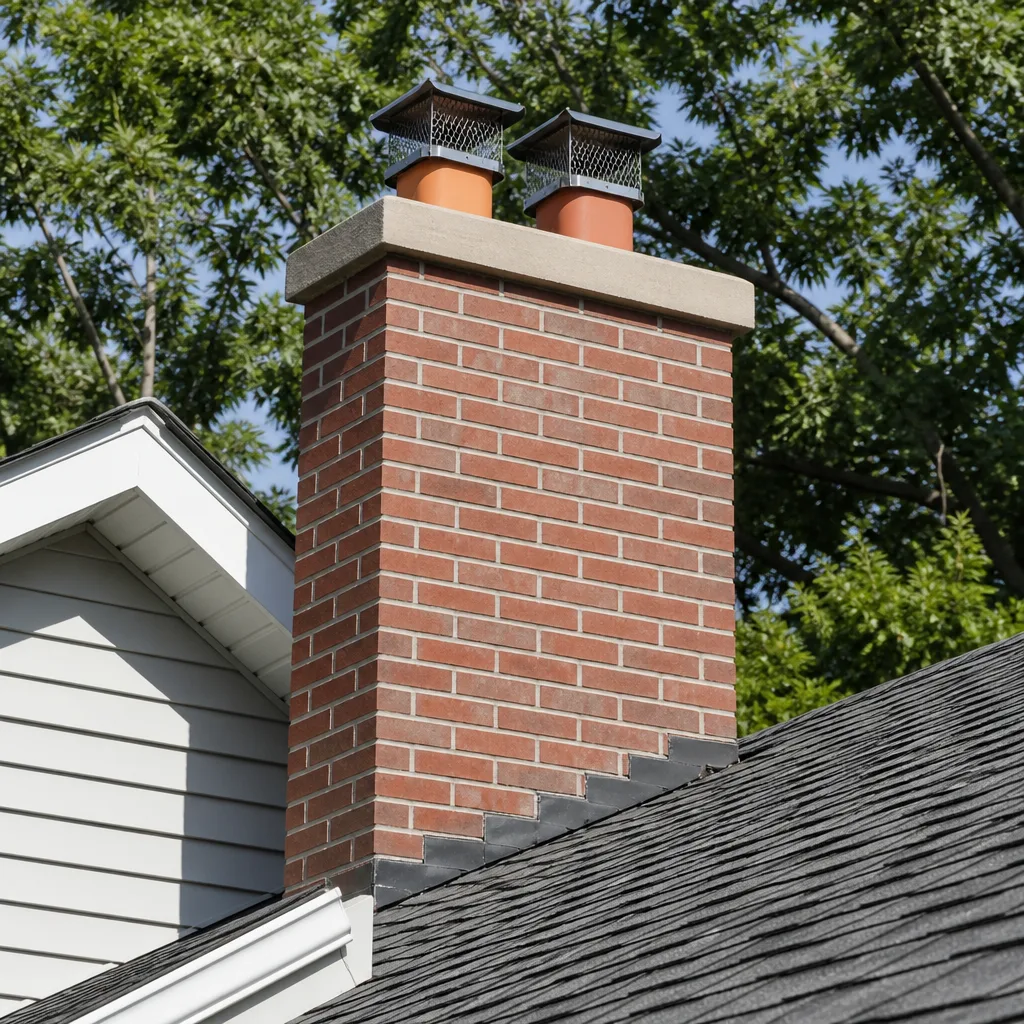 Masonry repair
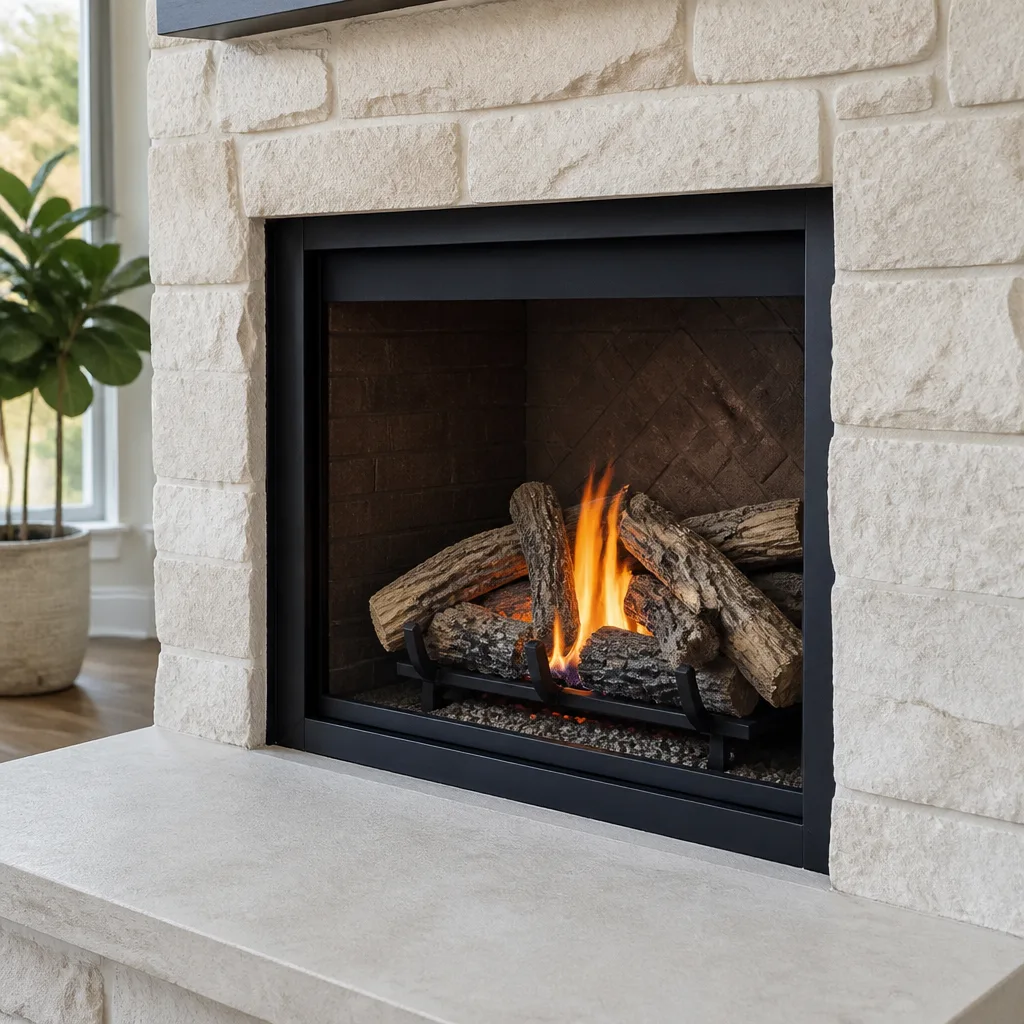 Gas fireplace service
Level 1 sweep and inspection to the NFPA 211 annual standard - flue, crown, cap, and flashing checked and photographed
Chimney sweep logs do not sweep chimneys. They loosen some creosote - which then falls where a brush and vacuum still have to collect it.
How to Hire a Chimney Cleaning Contractor in Lancaster: A Step-by-Step Guide
Here’s something most Lancaster homeowners don’t realize: California does not require a specific license to sweep chimneys. The person knocking on your door could hold CSIA certification and fifteen years of experience, or they could be a guy with a ladder, a brush from the hardware store, and a weekend of YouTube videos under his belt. Both can legally call themselves chimney sweeps. This guide gives you a structured way to tell the difference in about ten minutes, before anyone sets foot on your roof, and points you to more guides & resources for ongoing chimney maintenance.
Styles & brands we work with
- Sweep & inspection
- Caps & crowns
- Flue relining
- Masonry repair
- Gas fireplace service
Quick Answer
To hire a chimney cleaning contractor in Lancaster, verify CSIA certification through the CSIA website, ask the five screening questions below, require a written inspection report with photos, compare estimates line by line, and avoid any contractor who gives verbal-only findings or pushes major repairs without camera evidence. The whole vetting process takes about ten minutes and separates certified specialists from seasonal operators.
Table of Contents
- Why Lancaster’s Licensing Situation Makes Vetting Critical
- What CSIA Certification Actually Means (And What It Doesn’t)
- The Five Questions That Reveal a Specialist from a Generalist
- What a Legitimate Inspection Report Must Contain
- How to Read a Written Estimate and Spot Upsell Tactics
- Why the Lowest Quote in Lancaster Often Costs More Later
- Common Mistakes to Avoid
- When to Call a Professional
Why Lancaster’s Licensing Situation Makes Vetting Critical
California is one of the few states that has no dedicated chimney sweep license. The Contractors State License Board regulates general contracting categories, but chimney sweeping falls into a gray area that allows sole operators without any state-issued credential to perform cleaning work. What this means for Lancaster homeowners is simple: the burden of verifying competence falls entirely on you.
Lancaster’s housing stock compounds this. The Antelope Valley has thousands of homes built between the 1950s and 1990s, many with masonry chimneys that have survived decades of high-desert temperature swings. Summer heat hits 100 degrees regularly, winter nights drop below freezing, and that expansion and contraction puts real stress on mortar joints and flue liners. A technician who doesn’t understand how Lancaster’s climate affects chimney systems will miss the early signs of spalling brick or cracked clay tile liners that a local specialist spots immediately, which is why our Seasonal Chimney Cleaning Care for Lancaster: Year-Round Homeowner’s Guide emphasizes climate-aware inspections.
We see this pattern regularly in Lancaster. A homeowner hires a general handyman to clean the chimney, gets a basic brushing, and six months later discovers a cracked flue liner that should have been flagged. The cleaning wasn’t wrong; it was incomplete. Sweeping removes creosote, but it’s the inspection part of the job that catches the structural problems that lead to chimney fires or carbon monoxide leaks.
This guide exists because the hiring decision happens before the work begins. Once someone is on your roof, you’ve already committed. The questions in the sections below give you a repeatable process that works whether you’re talking to a national franchise, a local Lancaster operator, or a handyman who says he can “do chimneys too.”
What CSIA Certification Actually Means (And What It Doesn’t)
The Chimney Safety Institute of America (CSIA) is the closest thing the industry has to a national standard. A CSIA-certified sweep has passed a written exam covering fire codes, clearances, flue sizing, creosote science, and inspection procedures, and they must recertify every three years through continuing education. When you see “CSIA Certified” on a Lancaster contractor’s website or truck, it’s a meaningful signal.
But here’s what CSIA certification doesn’t mean, and this is where Lancaster homeowners get misled:
- It doesn’t mean the sweep does repairs. CSIA certifies inspection and cleaning competence. A certified sweep can tell you your flue liner is cracked, but that doesn’t mean they’re qualified to fix it. Repair work requires different skills and often different credentials.
- It doesn’t mean the company is insured. Certification is about individual knowledge, not business practices. You still need to verify liability insurance and workers’ comp coverage separately.
- It doesn’t mean the person at your door is the certified one. A company can advertise CSIA certification while sending uncertified employees to do the actual work. Ask who specifically will be on your roof and verify that person’s name.
- It doesn’t mean they know Lancaster’s specific conditions. A CSIA-certified sweep from Florida knows the national standards cold but may never have seen the creosote patterns that develop in high-desert wood-burning fireplaces. Local experience matters on top of certification.
How to Verify CSIA Certification in Under Two Minutes
- Go to csia.org and click “Find a Certified Professional.”
- Enter the company name or the individual technician’s name. Search both, not just the company.
- Confirm the certification is current, not expired. CSIA lists active certifications only.
- Ask the company who will be on the job and match that name to the CSIA directory.
If a Lancaster contractor hesitates when you ask for the technician’s name, or gives you a company name that doesn’t appear in the directory while claiming unnamed techs are “all certified,” that’s a red flag. Legitimate operators are proud of their certification and will tell you exactly who’s coming to your house.
The Five Questions That Reveal a Specialist from a Generalist
These five questions take about ten minutes total on the phone. They’re designed to cut through marketing language and reveal what kind of contractor you’re actually talking to. No single answer disqualifies someone, but the pattern across all five tells you everything you need to know.
1. “What does your inspection include beyond the visual look?”
A specialist will describe a multi-point inspection covering the flue liner, smoke chamber, damper assembly, chimney crown, flashing, and exterior masonry. They’ll mention camera inspection as either included or available. A generalist will say something vague like “we check everything” or focus only on the sweep itself. The difference matters because Lancaster’s older chimneys often have hidden damage that only a camera reveals.
2. “Will I get a written report with photos?”
This is the single most important question, and we address it fully in the next section. For the phone screening, know this: any contractor who says they’ll “give you a summary” or “tell you what we find” without committing to written documentation is telling you they don’t intend to be accountable for their findings. In Lancaster, where high winds and temperature swings create real structural issues, verbal-only findings are a liability for you.
3. “What brands of repair materials do you use?”
A chimney repair specialist will name specific manufacturers. They’ll say HeatShield for liner restoration, DuraFlex for relining, or Gelco and Olympia Chimney for caps and components. A generalist will say “whatever works” or “standard materials” or “stuff from the supply house.” If they can’t name a brand, they’re probably buying whatever’s cheapest at a big-box store, and cheap materials in a Lancaster chimney mean you’ll be repairing again in a few years. Professional-grade brands exist for a reason: they’re engineered to handle the thermal cycling that Lancaster chimneys go through every season.
4. “Do you clean dryer vents too, or just chimneys?”
This question seems off-topic, but it’s a useful diagnostic. A company that only does chimney sweeping may be perfectly competent at that one thing, but a company that treats chimney and vent systems as a single discipline, handling both chimney sweeping and dryer vent cleaning as core services, demonstrates a systematic understanding of how combustion and exhaust systems work in a home. It signals a ventilation specialist, not a brush-for-hire. In our experience serving Lancaster, the homes that need chimney work often need dryer vent work too, and a contractor who understands both sees the whole picture.
5. “What’s your process if you find damage during the cleaning?”
Listen carefully to this answer. A legitimate contractor will describe a sequence: stop work, document the issue with photos, explain the problem in plain language, provide a written estimate for repair, and let you decide. They won’t pressure you. A less scrupulous operator will start talking about how dangerous the damage is and how they can fix it right now for a discount. Urgency without documentation is the oldest upsell tactic in the industry. The right answer is a calm, process-driven explanation. The wrong answer is a sale pitch disguised as a safety warning.
What a Legitimate Inspection Report Must Contain
A professional chimney inspection in Lancaster should produce a written document you can hold in your hand or open as a PDF. This isn’t a nice-to-have. It’s the difference between hiring a professional and paying for an opinion.
Here’s what a legitimate inspection report from a Lancaster chimney specialist should include:
- Photographic evidence. Camera images of the flue interior showing the condition of the liner, any creosote buildup, any cracks or gaps, and the general state of the system. If the contractor found something, you should see it with your own eyes.
- Creosote classification. The CSIA recognizes three stages of creosote: Stage 1 is a light soot-like coating, Stage 2 is a flaky or granular buildup, Stage 3 is a hardened tar-like glaze. Your report should tell you which stage you have and what it means for safety.
- Specific measurements. The report should note the flue size, the clearance to combustibles if the chimney is adjacent to framing, and the condition of the mortar joints. Vague language like “some deterioration” without specifics means the inspection wasn’t thorough.
- Documented deficiencies with recommendations, separated by urgency. A professional report distinguishes between “needs attention now” and “monitor for next season.” If everything is marked urgent, you’re being sold to, not inspected.
- The technician’s name and certification number. The report should be attributable to a real person with verifiable credentials. Anonymous reports are worth what you paid for them.
A verbal-only summary is a red flag for one simple reason: it’s unfalsifiable. If a contractor tells you your chimney needs $4,000 of work but gives you nothing in writing, you have no way to get a second opinion from someone who can actually see the evidence. In Lancaster, where the difference between a legitimate repair recommendation and an upsell can be thousands of dollars, written documentation with photos is non-negotiable. Any contractor who can’t or won’t provide it should be crossed off your list.
How to Read a Written Estimate and Spot Upsell Tactics
Once you’ve got a written inspection report and you’re asking for the actual quote, you need to know how to read it. Estimates from different Lancaster chimney companies won’t look the same, and that’s part of what makes comparison hard. Here’s what to look for.
A professional estimate will be itemized. It will list the sweep as one line item, any repair work as separate line items, and materials as specified brands rather than generic descriptions. “Chimney sweep: $X” followed by “Repair: $Y” with no detail is not an itemized estimate; it’s a number with a vague justification.
Legitimate repair recommendations are always tied to specific findings from the inspection. If the estimate mentions a cracked flue liner, the inspection report should show that crack in a photo. If the estimate recommends a chimney cap, the report should note that no cap is currently installed or the existing one is damaged. Any repair line item that doesn’t trace back to a documented finding is an upsell, not a recommendation.
Watch for these classic upsell tactics in Lancaster chimney estimates:
- The “package deal” pressure. “If you commit today, we’ll do the liner repair for 20% off.” Legitimate chimney work doesn’t require same-day commitment. The chimney isn’t going anywhere.
- The vague safety warning. “This chimney is dangerous” without specific details about what’s dangerous and what the photos show. Real findings are specific: “The clay tile liner has a 4-inch crack at the 12-foot mark, visible in photo 3.”
- The unspecified materials. “New liner: $2,800.” What kind of liner? What brand? What material? If the estimate doesn’t specify, you’re being quoted for whatever they have on the truck, not what your chimney needs.
- The bundled services. “Sweep plus waterproofing plus cap plus new damper: $1,900.” Some of these might be necessary, some might not. Each should be separately justified by the inspection report.
If repair work is recommended, ask what brand of materials will be used. A Lancaster specialist should answer immediately. DuraFlex for flexible liner systems. HeatShield for liner restoration where a full rebuild isn’t necessary. Gelco or Olympia Chimney for caps and components. These brands exist because they’re engineered for the thermal stress and corrosive conditions inside chimneys. If the contractor can’t tell you what brand they’ll use, they’re buying on price, not specifications, and you’ll pay for that decision in a few years.
Why the Lowest Quote in Lancaster Often Costs More Later
Lancaster has no shortage of chimney cleaning options, and the quotes you receive may vary by hundreds of dollars for the same described scope. It’s tempting to take the low number. Here’s why that’s often the most expensive choice you’ll make.
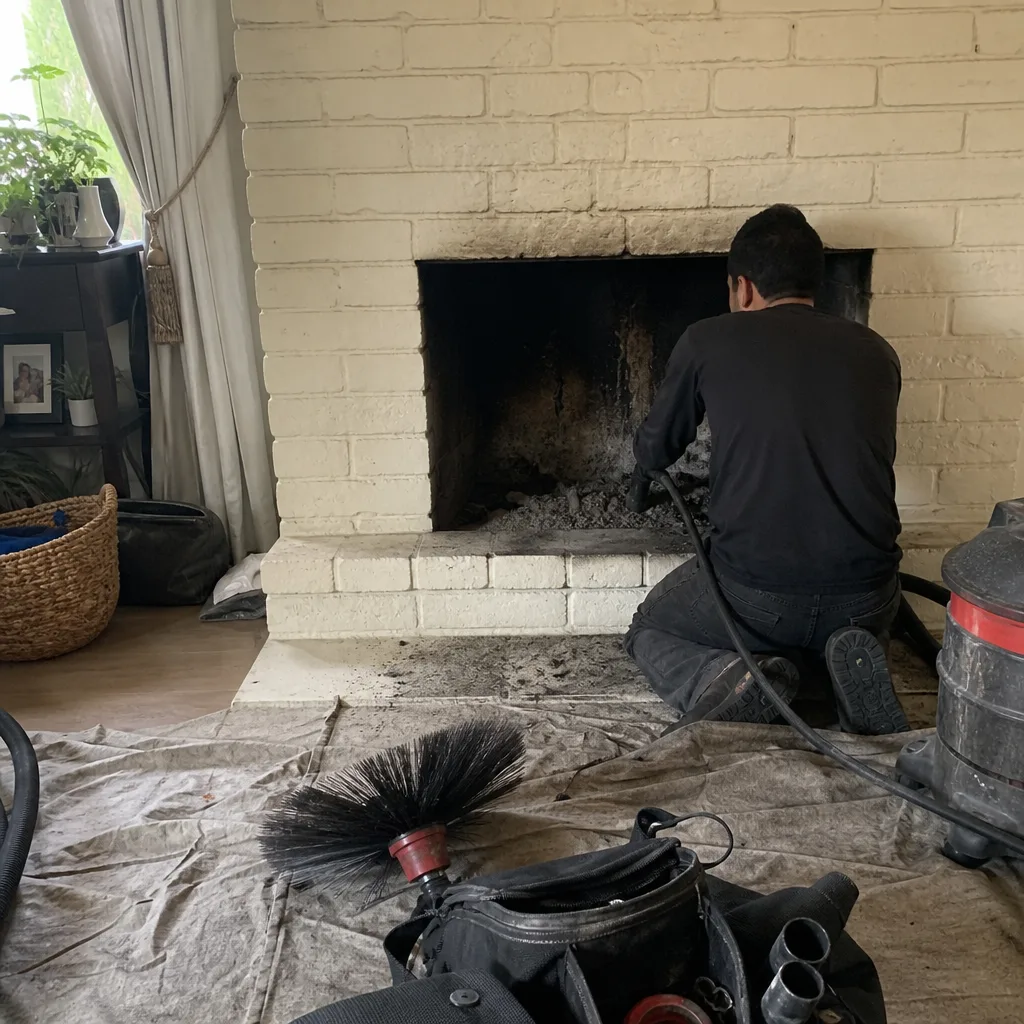
A legitimate professional chimney sweep takes between 45 minutes and two hours. It involves setting up drop cloths and a HEPA vacuum, running brushes through the flue from top to bottom, cleaning the smoke chamber and damper assembly, and performing the multi-point inspection that produces your written report. The equipment is specialized. The training is real. The time commitment is fixed.
When a Lancaster contractor quotes significantly below the market range, one of three things is usually happening:
- Skipped steps. No drop cloths means dust in your living room. No HEPA vacuum means soot particles in your indoor air. No camera inspection means they’re not actually looking at your flue liner. The sweep happens, but the inspection, which is the part that actually protects you from chimney fires, gets cut.
- Bait pricing. The low sweep price gets them on your roof, then the inspection “reveals” damage that requires expensive repairs. The sweep was never the real transaction; it was the opportunity to sell you something else.
- No insurance or workers’ comp. The uninsured operator can charge less because they’re not paying for coverage. When someone falls off your Lancaster roof or the job damages your property, that liability lands on you.
The honest pricing range in Lancaster for a standard chimney sweep and inspection runs from about $180 to $350 depending on the chimney’s condition, accessibility, and whether it’s been cleaned recently. For a detailed breakdown, see our Chimney Cleaning Cost Breakdown: The Lancaster Homeowner’s Reference for 2026. Quotes below $150 should make you ask hard questions about what’s being skipped. The goal isn’t to pay the most; it’s to pay for the full scope of work. A sweep that doesn’t include an inspection isn’t a bargain, it’s half a job.
Common Mistakes to Avoid
These are the specific hiring mistakes we hear about from Lancaster homeowners who call us after a bad experience with another contractor. Each one is avoidable with a little forethought.
- Hiring based on the lowest quote without comparing scope. A $99 sweep from a Lancaster operator usually means no inspection, no camera, no written report. You’re buying a brushing, not a safety assessment. The inspection is the valuable part; the brushing is skilled labor but not the reason you called.
- Accepting verbal findings without documentation. If a contractor tells you your chimney needs work but gives you nothing in writing, you can’t get a meaningful second opinion. Photos create accountability. Without them, you’re being asked to take a stranger’s word over the phone.
- Not verifying who will actually do the work. The person who takes your call in Lancaster may not be the person who climbs your roof. Ask for the technician’s name and verify their certification matches. A company that sends uncertified workers while advertising certified credentials is a known pattern in this industry.
- Letting urgency override process. “This needs to be fixed right now” is a sales technique, not a safety assessment. Unless there’s an active chimney fire, nothing about chimney repair requires same-day commitment. Take the estimate, get a second opinion if the number is large, and decide on your timeline.
- Hiring a handyman for chimney work to save money. General handymen are great for many things. Chimney systems are uniquely dangerous when done wrong: improper repairs can create carbon monoxide pathways into the home, and that’s a risk no discount justifies. This is the one area where specialist credentials genuinely matter.
- Skipping the insurance verification. You should ask to see a certificate of insurance, not just take a verbal “yes we’re insured” as sufficient. Liability insurance protects you if the contractor damages your Lancaster home. Workers’ comp protects you if someone gets hurt on your property. Both are basic requirements for hiring any trade professional.
When to Call a Professional
The simplest rule: if you can’t remember the last time your chimney was inspected, it’s time. The National Fire Protection Association recommends an annual inspection regardless of how often you use your fireplace, and that recommendation applies to gas fireplaces too, not just wood-burning ones.
Specific signs that warrant an immediate call include: visible creosote buildup that looks like shiny black tar on the flue walls, smoke entering the room when you use the fireplace, a strong odor coming from the fireplace when it’s not in use, or crumbling mortar on the exterior chimney structure. Any of these indicate a system that’s degrading in a way that increases fire or carbon monoxide risk.
If you’ve recently bought a home in Lancaster and the previous owner couldn’t tell you when the chimney was last serviced, schedule an inspection before your first fire. The cost of a professional sweep and inspection is modest compared to what a neglected chimney can do. Chimney Cleaning Lancaster offers free estimates in Lancaster. Call (877) 376-0565 to schedule yours.
Frequently Asked Questions
A professional chimney sweep and inspection in Lancaster typically costs between $180 and $350 depending on the chimney’s condition, height, and accessibility. Quotes below $150 usually mean skipped steps like camera inspection or written documentation. Call (877) 376-0565 for a free estimate based on your specific chimney.
Annual inspection is the professional standard, even if you only use your fireplace a few times per year. Lancaster’s high-desert climate, with extreme temperature swings between seasons, can cause mortar deterioration and liner cracks that develop even in dormant chimneys. Chimney Sweep in Lancaster is one of our core services, and we recommend yearly inspection regardless of usage frequency.
No, California does not require any specific chimney sweep license or certification. This makes CSIA certification a voluntary credential that signals a contractor’s commitment to professional standards, but it’s not a legal requirement. Always verify current certification on the CSIA website rather than taking a contractor’s word for it.
A sweep is the physical removal of creosote and soot from the flue. An inspection is the structural evaluation that identifies cracks, deteriorated mortar, damaged liners, and other safety issues. A professional chimney service should include both. The inspection is what actually protects you from chimney fires and carbon monoxide problems; the sweep alone isn’t enough. Chimney Repair in Lancaster starts with a thorough inspection to identify what actually needs attention.
Yes, and this is exactly why camera inspection matters. Most chimney damage occurs inside the flue where you can’t see it: cracked clay tile liners, deteriorated mortar joints, creosote glaze buildup. A proper camera inspection documents these conditions with photos you can see yourself. Any contractor who claims to inspect a chimney without a camera is doing a visual-only check from the top, which misses the most dangerous issues.
It’s efficient to address both, especially in Lancaster homes where dryer vents often run long distances through attics or slab foundations. Dryer Vent Cleaning in Lancaster is a standalone safety service we offer because clogged dryer vents are a leading cause of residential fires independent of chimney issues. The systems are separate, but the inspection logic is the same: hidden problems need camera documentation to be fixed correctly.
The Bottom Line
Hiring a chimney cleaning contractor in Lancaster comes down to structured verification. California’s lack of licensing requirements means the burden is on you to confirm certification, require written documentation with photos, and compare estimates with an eye for skipped steps and upsell tactics. The right contractor will name specific materials, explain findings in plain language, and give you time to decide on repairs without pressure. The wrong one will offer a low price, a verbal summary, and an urgent recommendation. Ten minutes of questions separates the two. Use the process outlined here, and you’ll hire the specialist, not the salesman.
Written by the team at Chimney Cleaning Lancaster, serving Lancaster since 2013.
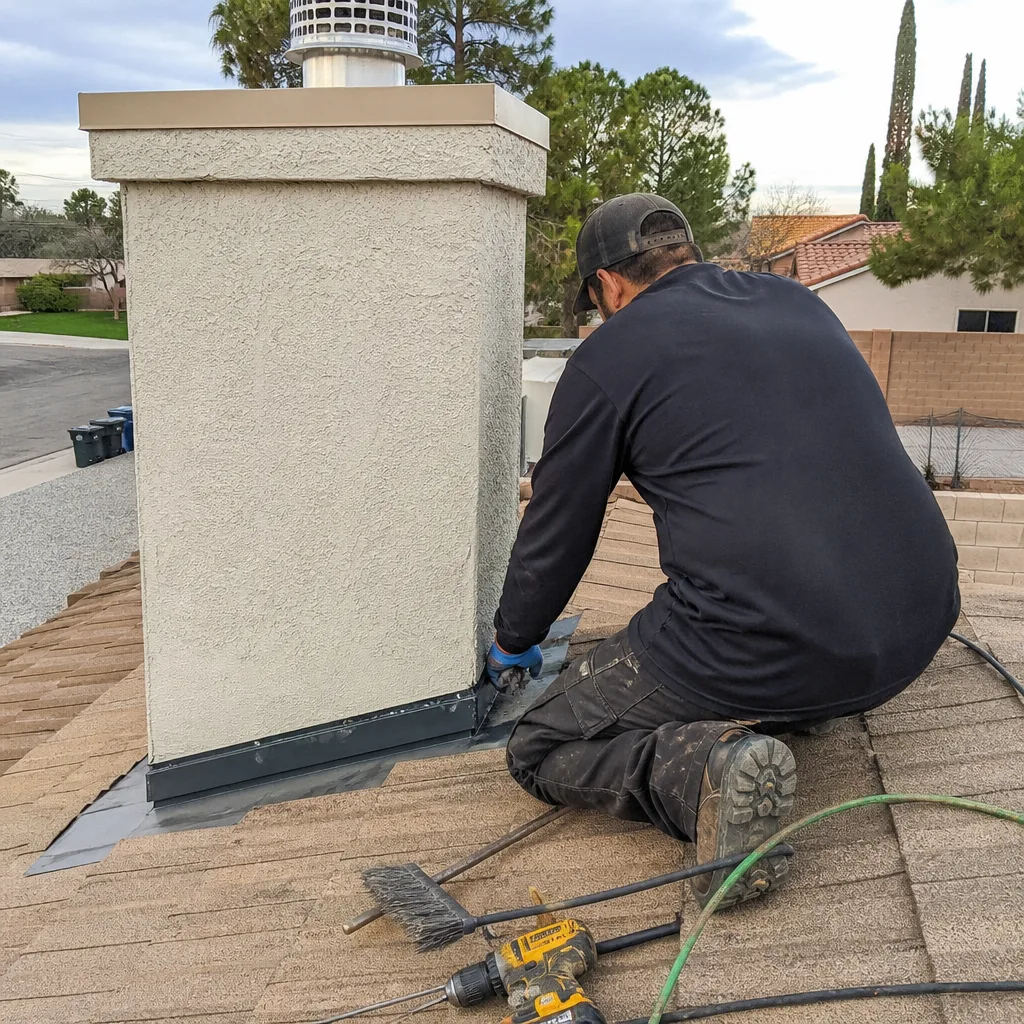
See the difference
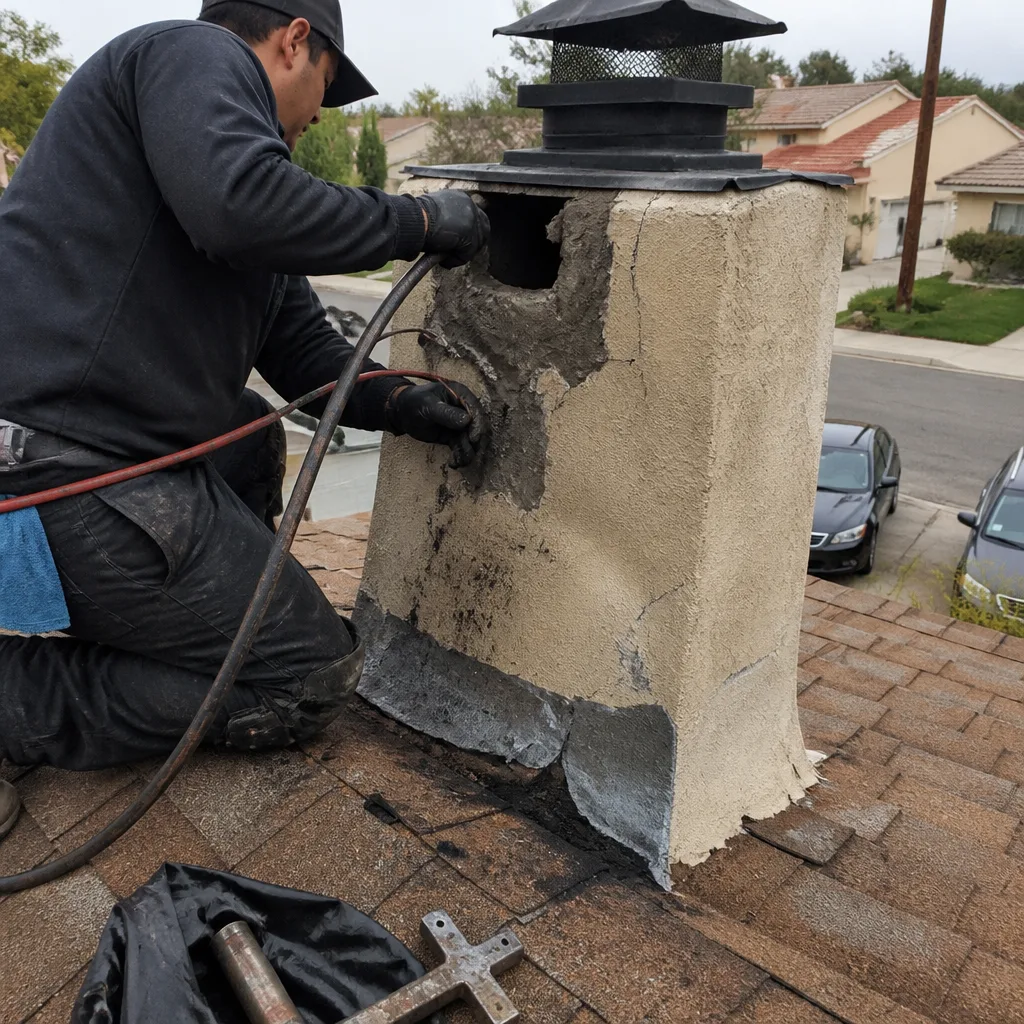 Before
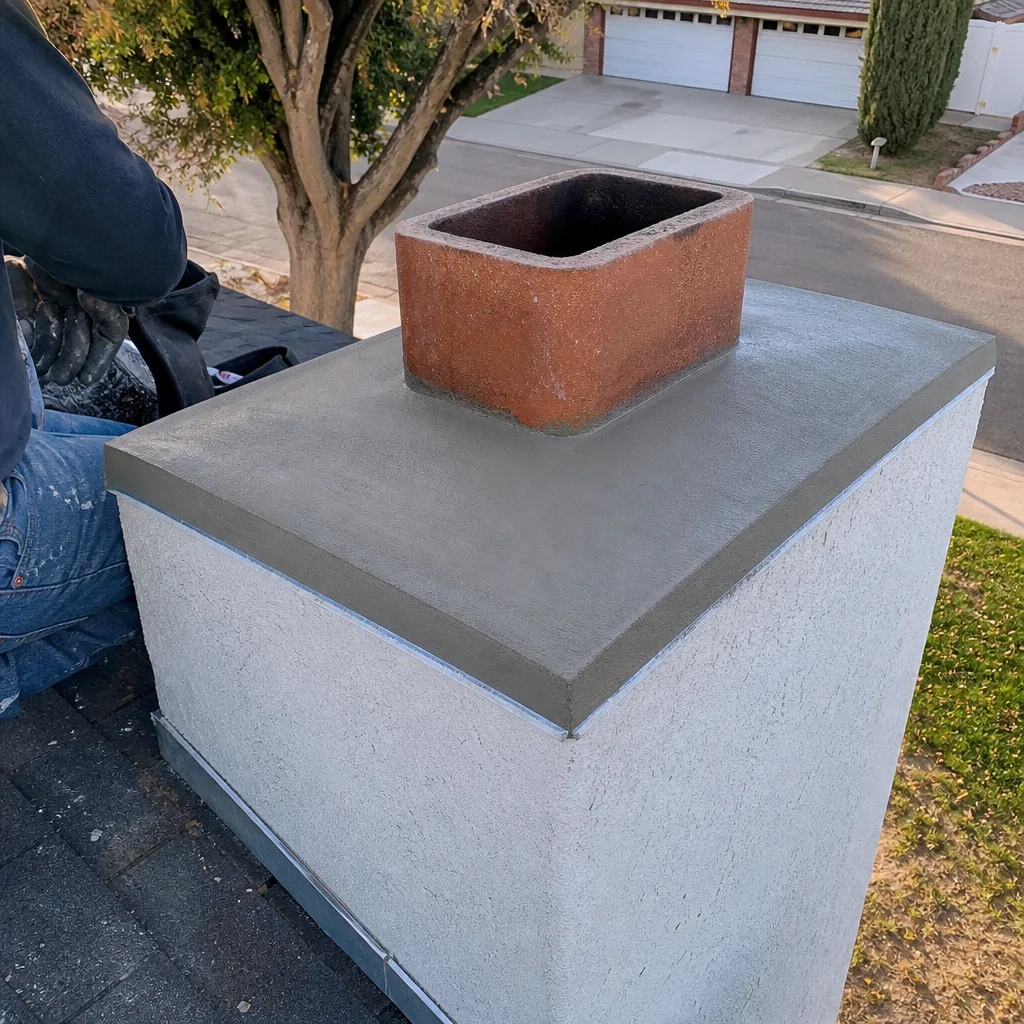 After
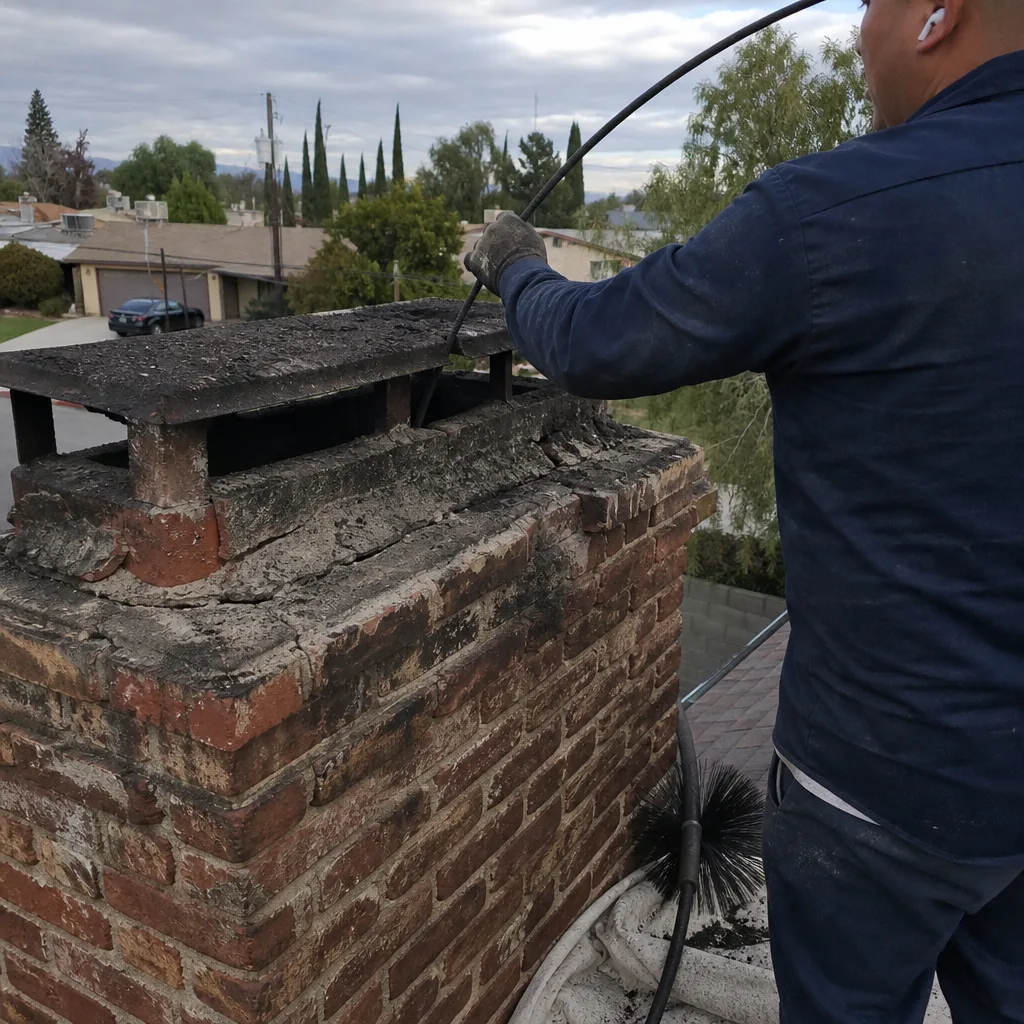 Before
 After
 Before
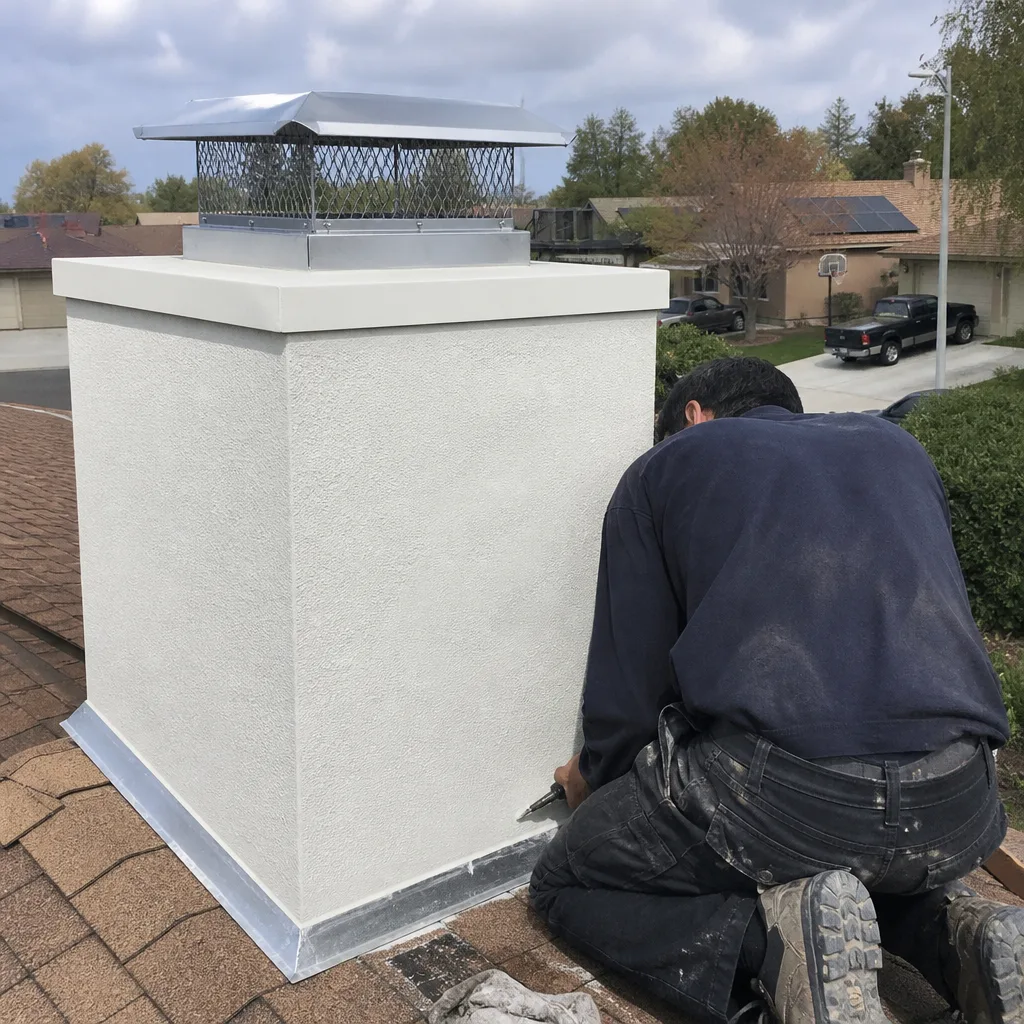 After