

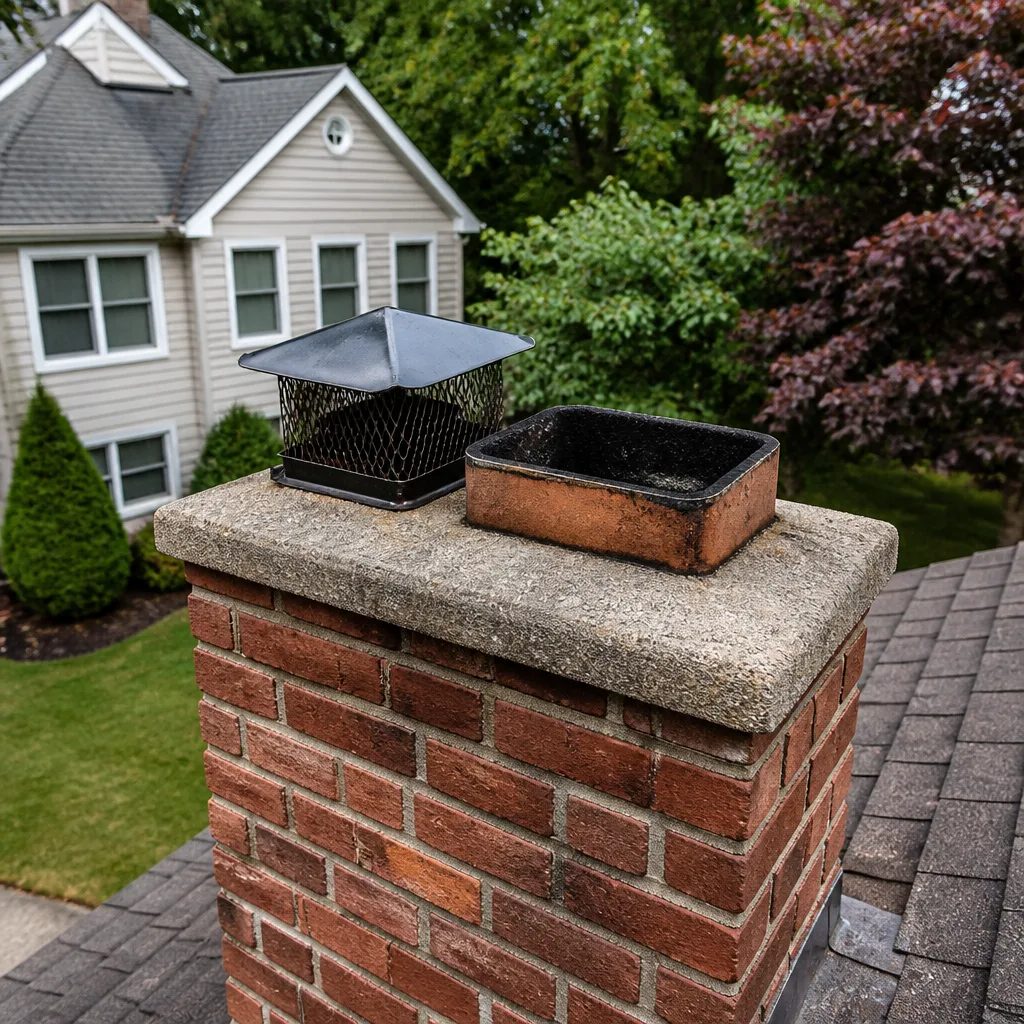
 Sweep & inspection
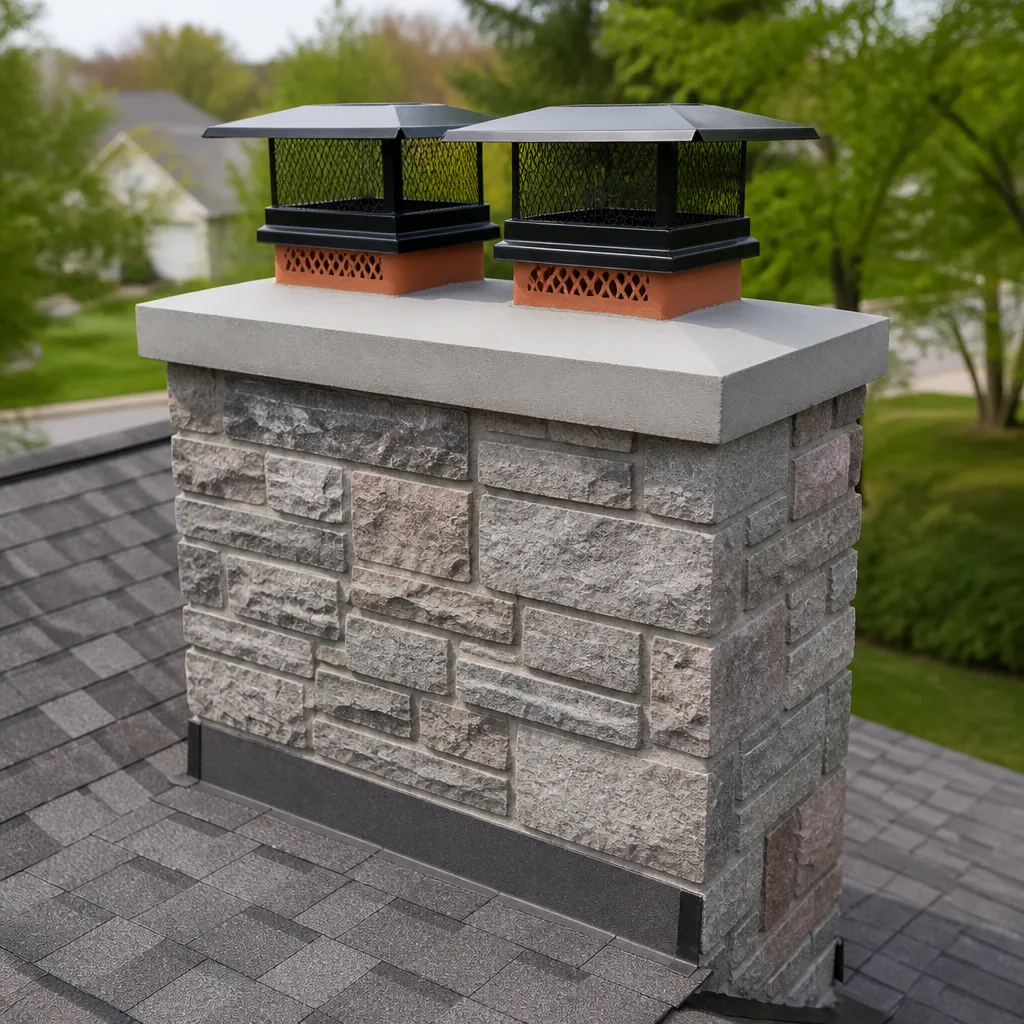 Caps & crowns
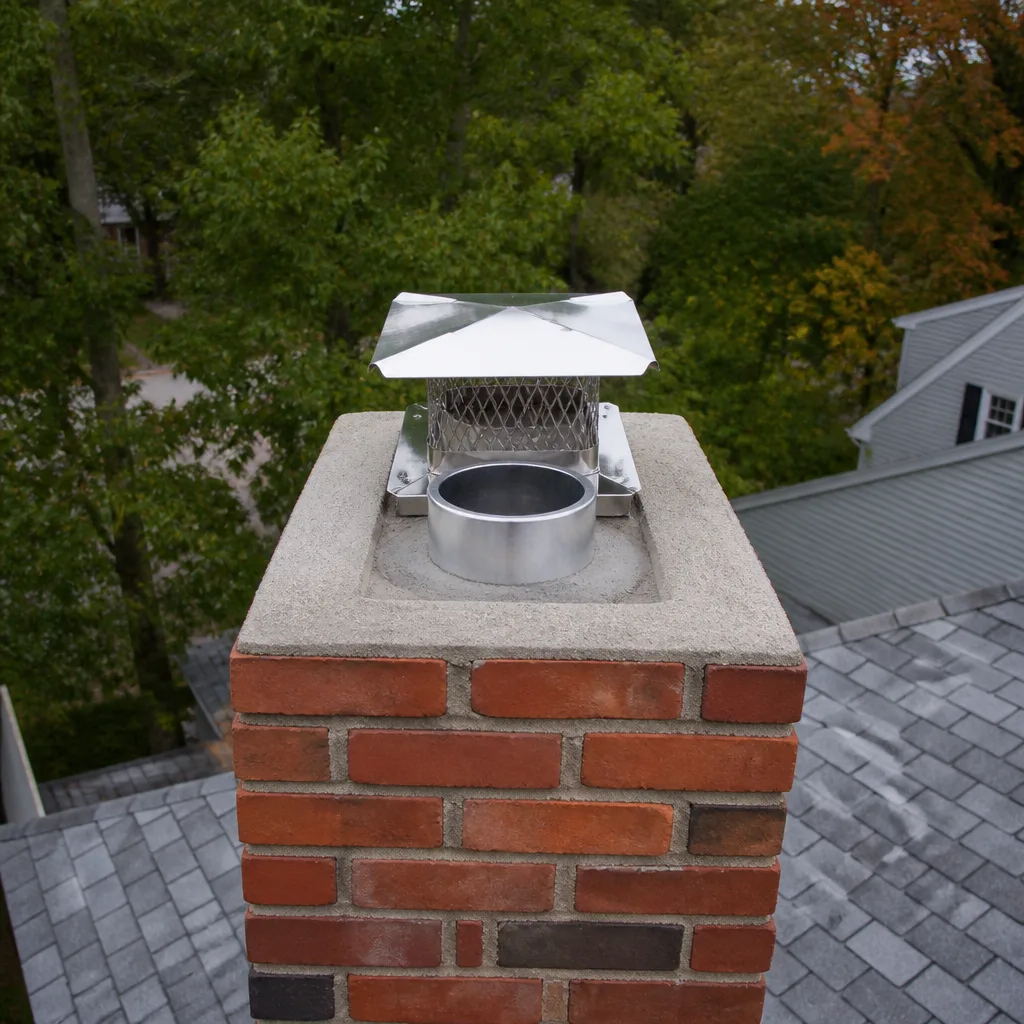 Flue relining
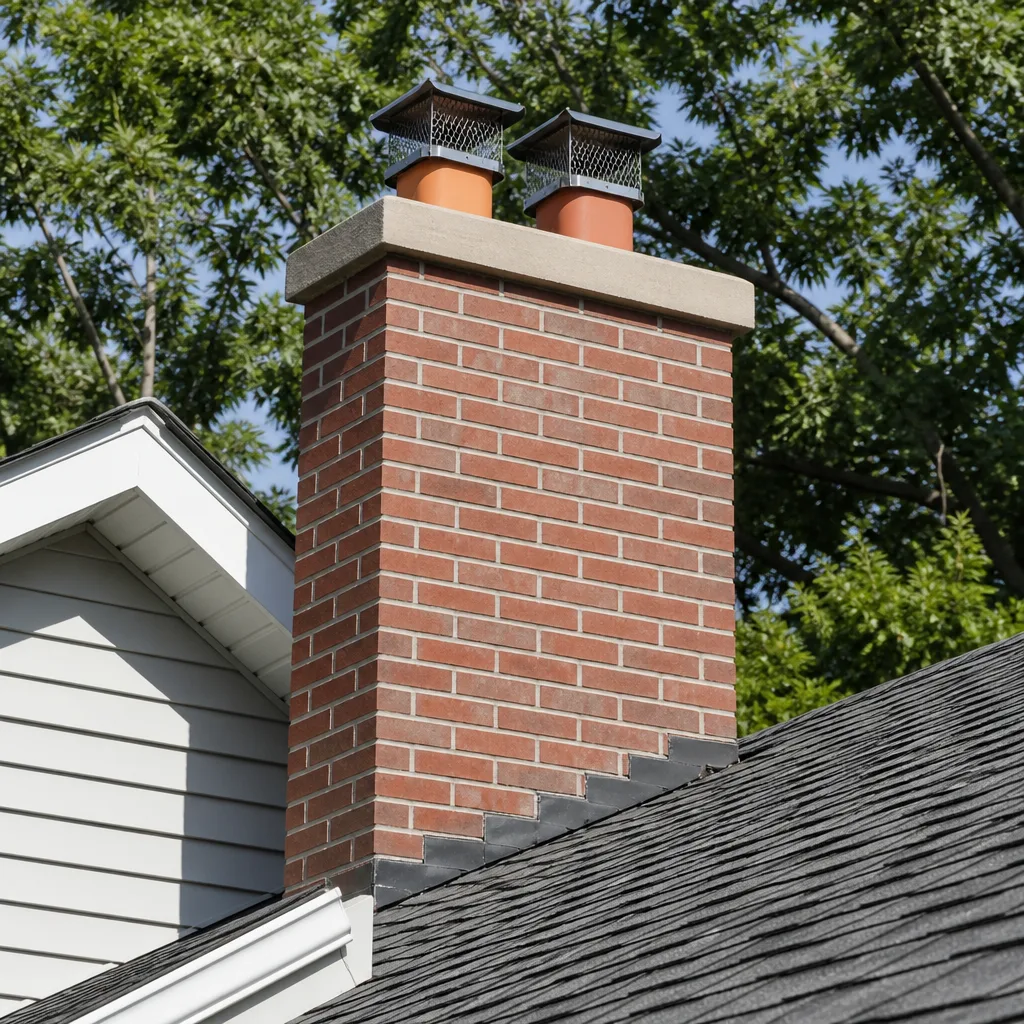 Masonry repair
 Gas fireplace service
Level 1 sweep and inspection to the NFPA 211 annual standard - flue, crown, cap, and flashing checked and photographed
Chimney sweep logs do not sweep chimneys. They loosen some creosote - which then falls where a brush and vacuum still have to collect it.
HeatShield Chimney Cleaning in Vincent, CA
We provide independent HeatShield chimney cleaning and repair service across Vincent, California, including rural outreach to the dirt-road parcels where wood stoves run as primary winter heat. The short version: HeatShield cast-in-place ceramic liners hold up well under heavy use, but Vincent’s combination of primary wood burning and desert wind loads them with glazed creosote and grit faster than almost anywhere else in the Antelope Valley, which changes how we clean them. If your flue hasn’t been swept in over a year and you burn wood every night from November through March, call us at (877) 376-0565 before you light another fire.
Why Vincent Homeowners Choose Us for HeatShield Service
HeatShield isn’t a brand most generalist chimney sweeps spend much time with. We do. Alvin Rhodes, our owner, grew up in Quartz Hill just west of here and has spent the better part of two decades working chimneys and dryer vents across the Antelope Valley, including on HeatShield-lined flues in Vincent’s older ranch homes and manufactured housing. That matters because a poured-in-place ceramic liner behaves differently than clay tile or stainless steel, especially when it’s been heating and cooling through 30-degree desert nights. Our team works on HeatShield-lined flues constantly, which means we know what a healthy liner surface looks like and what a failing one feels like under a rotary sweep. We’re also close by. When a Vincent homeowner calls about a chimney that’s drafting poorly in a January windstorm, we can usually get eyes on it faster than a shop running calls from Palmdale or Lancaster proper.
For more on how we approach the full HeatShield product line, see our HeatShield sales & service page.
Styles & brands we work with
- Sweep & inspection
- Caps & crowns
- Flue relining
- Masonry repair
- Gas fireplace service
Common HeatShield Chimney Cleaning Problems We Solve in Vincent
Here’s what we actually see when we open up a HeatShield flue in Vincent, and why each problem tends to show up in this particular community:
- Glazed third-degree creosote bonded to the ceramic surface. When a wood stove runs as primary heat, especially with softwood or green wood, creosote doesn’t just flake off. It bakes into a tar-like glaze that chemically bonds to the HeatShield interior. Sweeping it with a standard wire brush won’t cut it. We use chemical softening followed by rotary cleaning, and in Vincent we end up doing this combination more often than not.
- Hairline cracking and spalling of the poured liner. Desert winter nights pull heat out of the flue hard. A fire that burns hot in the evening and then the stove goes cold overnight means the liner expands and contracts through a 40 or 50 degree swing. Over years, that thermal cycling can crack a HeatShield surface that would have lasted decades in a milder climate. We check for this during every sweep.
- Desert grit packed into caps and spark arrestors. Those strong seasonal winds that cut across Vincent pick up sand and dust from the open desert and drive it into every chimney cap on the property. The cap clogs, draft drops, and grit sifts down onto the liner where it masks cracks and holds moisture. A clogged spark arrestor also becomes a fire hazard sitting right at the top of what’s supposed to be the spark barrier.
- Liner cracking or separation at the firebox collar. On older inserts and freestanding wood stoves, the connection point between the appliance and the flue takes the most abuse. If the original flue underneath the HeatShield liner wasn’t properly supported, the liner can separate at that joint. We see this most often on ranch-style homes where the stove was installed decades ago and the chimney hasn’t been opened up since.
- Moisture trapped against the HeatShield surface. Wind-driven rain gets through cracked crowns and settles in the flue. Against a ceramic surface, trapped moisture accelerates surface breakdown, particularly when it alternates with the dry heat of a fire. We check crowns and chase covers on every service call because the masonry above the liner is usually the problem.
HeatShield Service in Vincent: What Local Conditions Mean for Your Equipment
Here’s the thing about Vincent specifically. This is unincorporated high desert off Sierra Highway, not tract housing with gas fireplaces that get lit twice a year. Homes sit on large parcels, many at the end of dirt roads, and a lot of residents burn wood as their primary winter heat because propane and utility costs are high. That changes everything about how a HeatShield liner ages. A flue in a suburban gas-heated home accumulates light soot and maybe some creosote from occasional fires. A flue in Vincent burns every night for five months, often with oak or whatever’s available, and the creosote builds into a hard glaze that fuses to the ceramic surface. The desert wind then adds a second layer of abuse: grit and sand blow into the cap, restrict draft, and drop onto the liner, where it grinds against the surface every time the flue expands and contracts. We’ve pulled spark arrestors that were more sand than metal. That combination means a yearly sweep here isn’t a recommendation; it’s the minimum for keeping the liner sound. Skip it, and a small crack from thermal cycling becomes a place where creosote keeps accumulating, and that’s how a chimney fire starts on a windy February night.
Here’s a recent example. On a ranch-style parcel off a dirt road in Vincent, our tech opened a freestanding wood stove’s flue and found heavy glazed creosote bonded to the HeatShield ceramic liner, desert grit packed into the cap, and two hairline cracks near the firebox collar. We chemically softened and rotary-swept the glaze, sealed the cracks with HeatShield-compatible refractory material, replaced the clogged cap, and cleared the spark arrestor. The homeowner’s primary winter heat source was drafting clean again. That’s the kind of job that shows up when you actually serve Vincent, not when you drive through it on the way to somewhere else.
HeatShield Models & Products We Service in Vincent
We work on the full HeatShield product range. That includes the cast-in-place refractory ceramic flue liner – the poured-in-place system that many Vincent homeowners had installed because it works well with older masonry chimneys a steel liner can’t fit cleanly. It also includes HeatShield Resurfacing mix used to repair damaged masonry flue interiors, HeatShield crown and mortar repair materials, and the HeatShield-insulated stainless-lined retrofits we see on older ranch and manufactured homes. We stock the refractory materials, sealants, caps, and dampers needed for most HeatShield service calls locally, which means less waiting on parts for Vincent customers. When a liner is cracked past repair, we don’t default to a full rebuild. We tell you what’s actually needed, match the right repair material to the flue condition, and price it honestly. HeatShield sales & service is a significant part of our chimney repair work in the Antelope Valley.
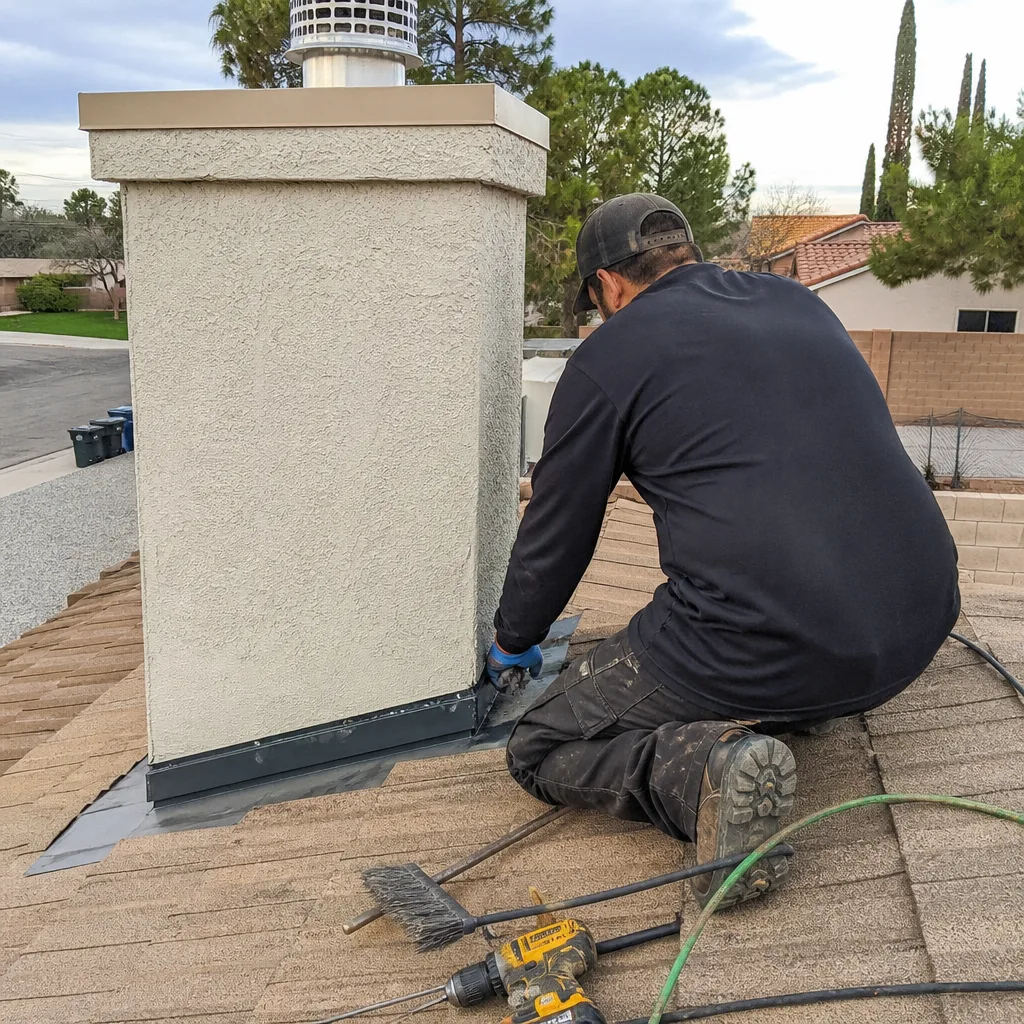
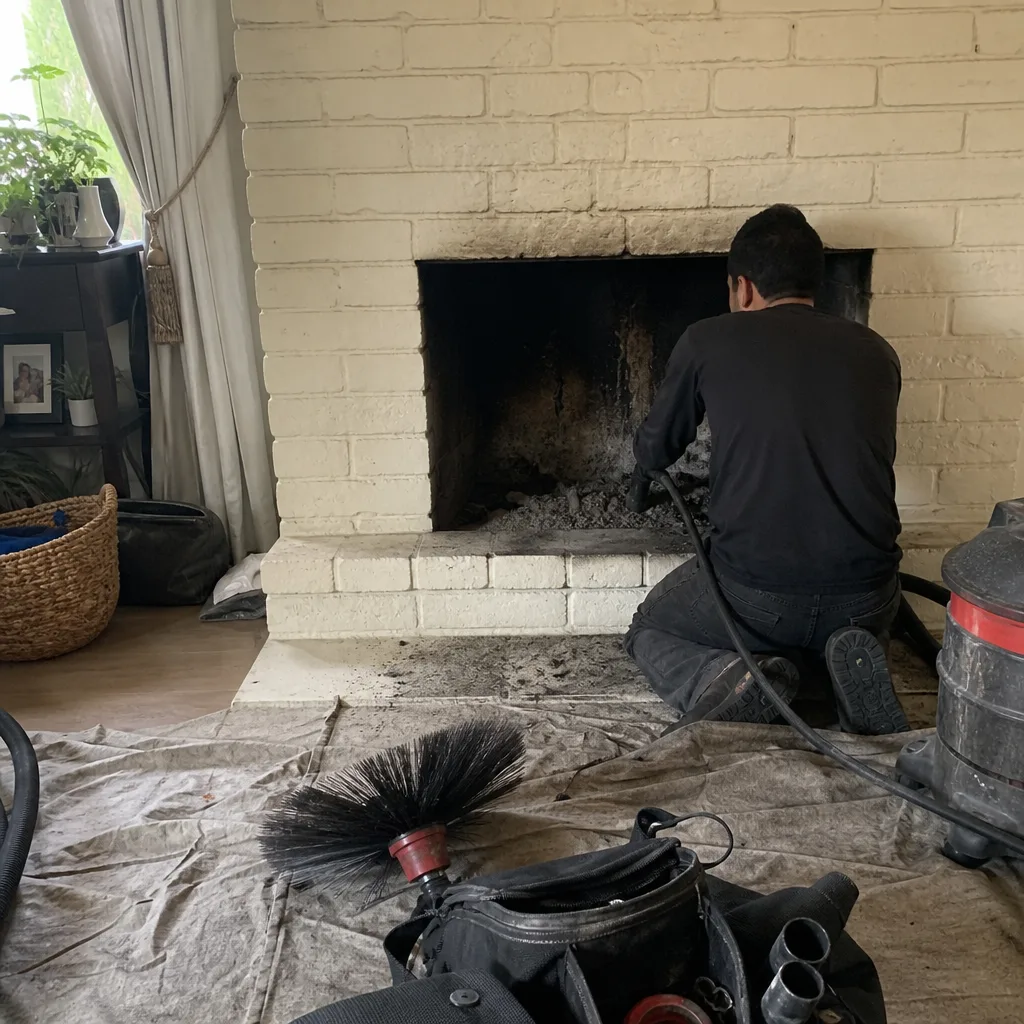
See the difference
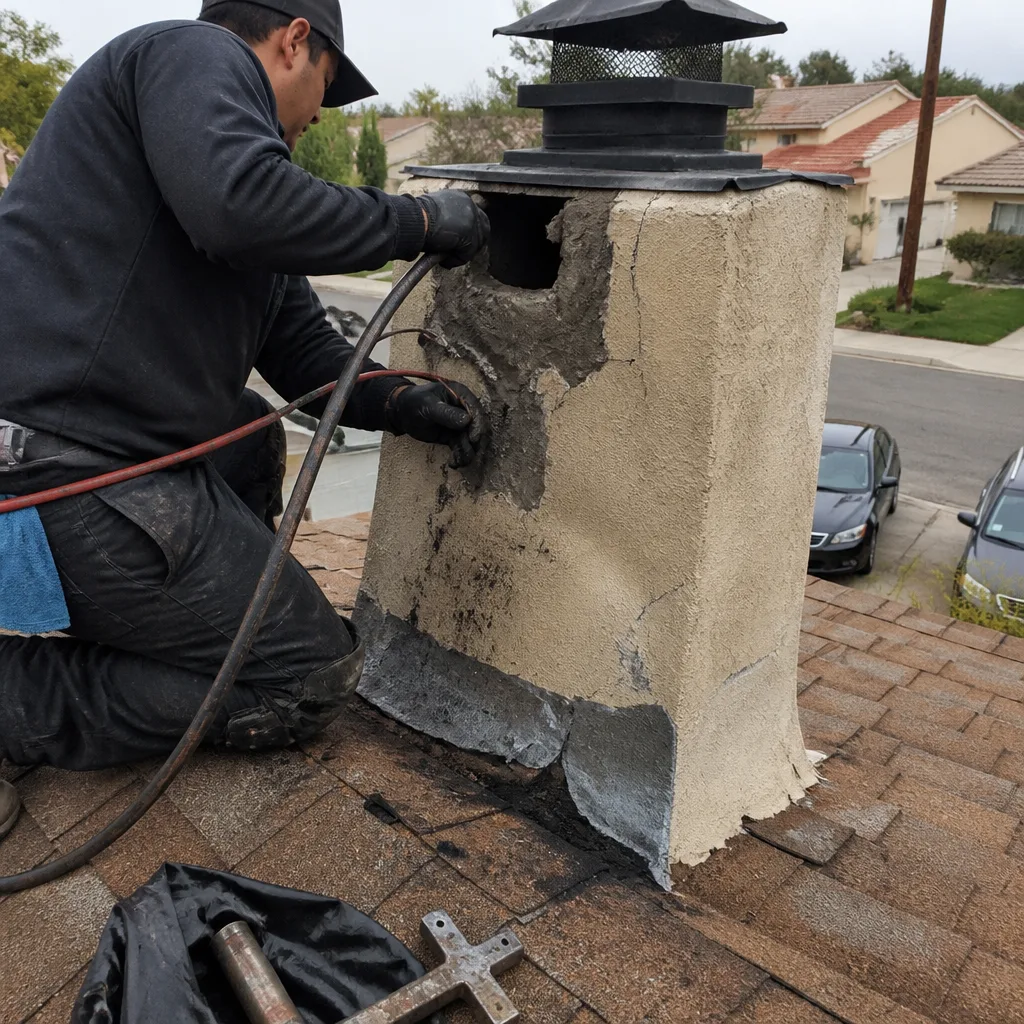 Before
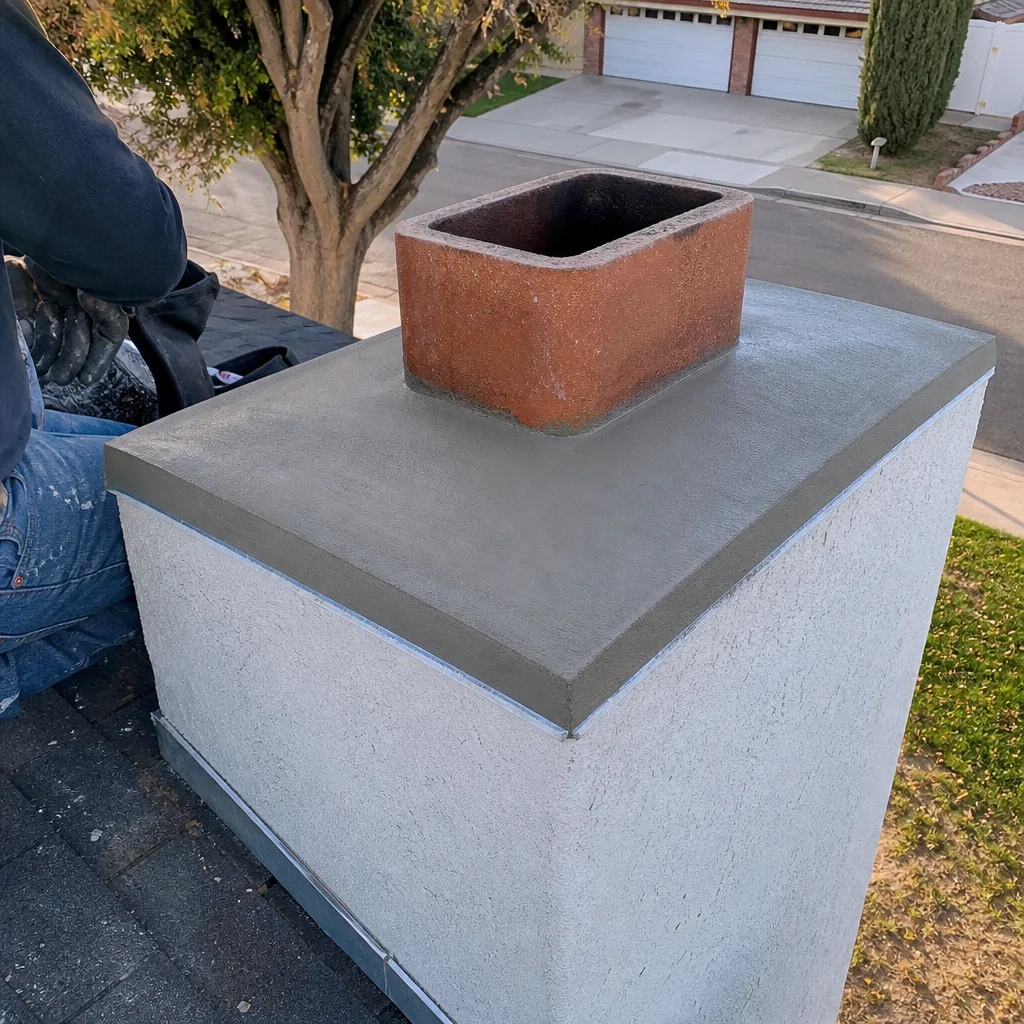 After
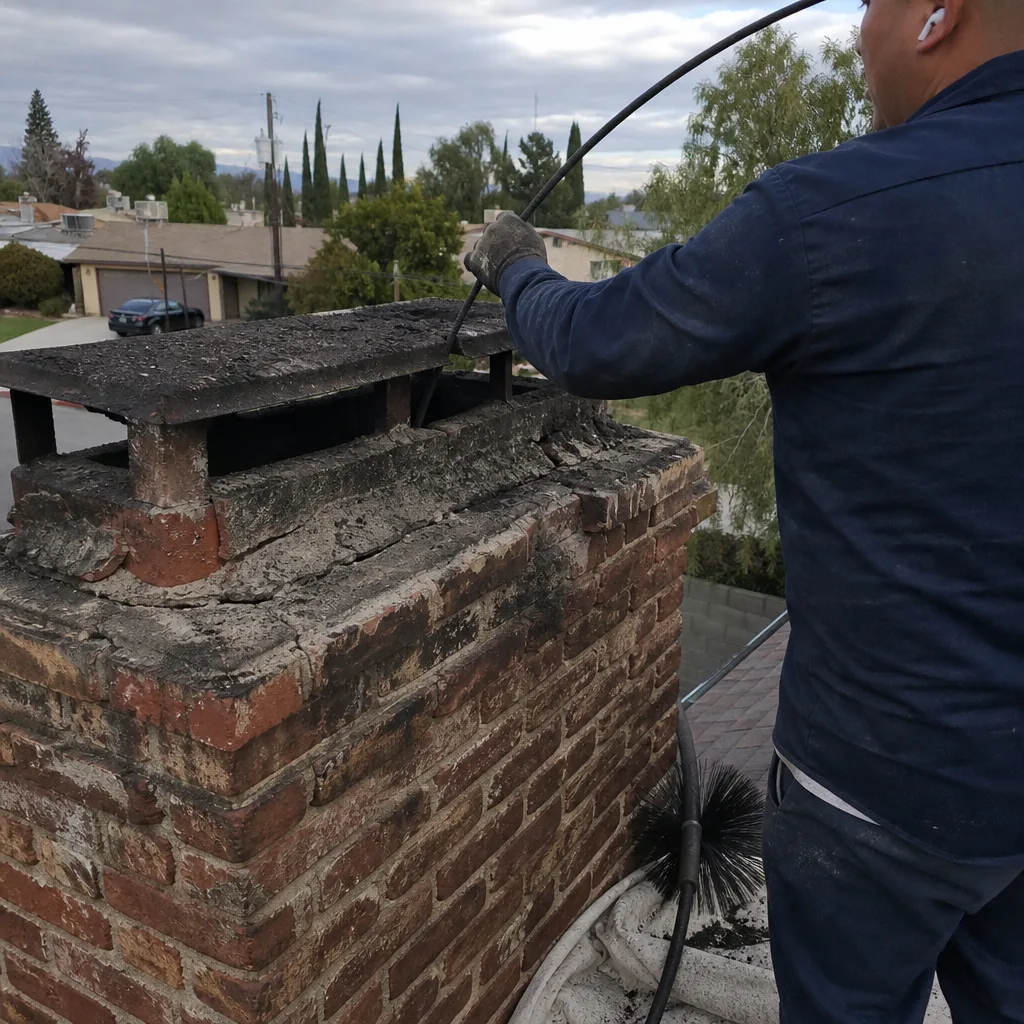 Before
 After
 Before
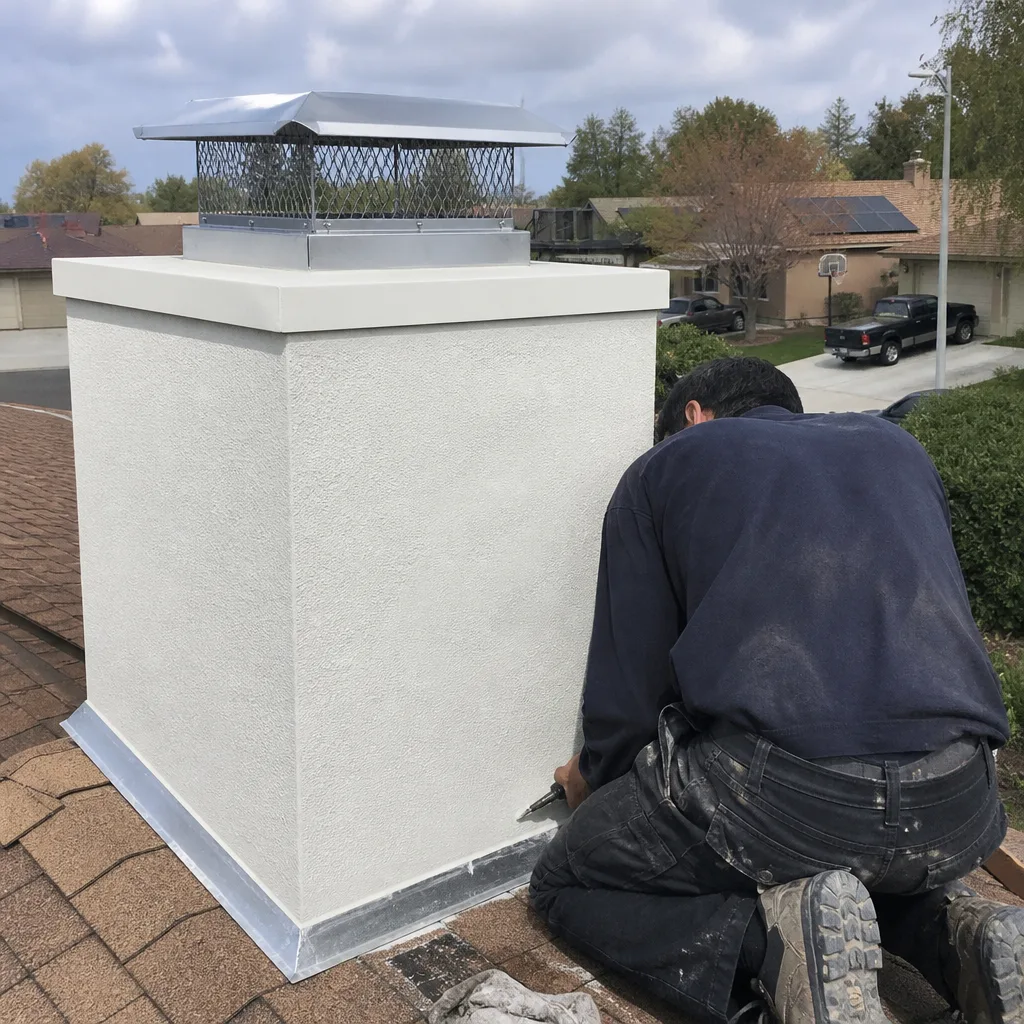 After
HeatShield Service Pricing in Vincent
What you pay depends on the flue’s condition and what the HeatShield surface needs.
- A standard sweep with inspection on a well-maintained flue: $180 – $300
- Glazed creosote removal with chemical softening and rotary cleaning: $300 – $550
- HeatShield-compatible crack sealing and spot resurfacing: $350 – $750 depending on liner access and the number of repair points
- Full resurfacing with HeatShield mix: $1,800 – $2,900
- Cap, damper, or spark arrestor replacement: $150 – $400 for the part plus install
Every estimate starts with a free phone conversation, and we’ll walk you through what we’re likely to find before we ever step onto your property. Call (877) 376-0565 for an exact quote.
Whether you’re near Avenue U or off one of the smaller roads that branch east toward the open desert, we serve homes across Vincent service area.
Serving Vincent, CA – Our Local Coverage Area
We’re based in the Vincent area and know this community well. Use the map below to see our service coverage – if you’re nearby, we can almost certainly help.
FAQs – HeatShield Chimney Cleaning in Vincent
Once a year at minimum, and ideally in late summer before burning season starts. Homes that burn daily from November through March often need a mid-season check as well, especially if you’re burning softwood or less-seasoned wood. Creosote accumulation in a high-use Vincent flue can reach dangerous levels within a single heating season, which is why we recommend scheduling your annual sweep before you light the first fire. Call (877) 376-0565 to get on the calendar early.
Yes. Chemical softening followed by rotary cleaning with the appropriate head removes glazed creosote without compromising the ceramic surface, as long as it’s done by someone who knows how HeatShield liners respond to abrasion. A standard wire brush won’t cut it and an overly aggressive rotary head can score a ceramic surface that’s already stressed. We match the method to the liner condition, which is why an inspection happens first.
Because Vincent sits on open high desert with little tree cover to break the wind. Sand and dust get driven horizontally into the cap, especially during the strong seasonal blows, and the buildup restricts draft and can eventually block the flue entirely. A cap with a finer mesh helps, but even those need to be cleared annually in this environment. We check the cap and spark arrestor on every service call because a clogged one undoes all the work a clean liner does.
Yes, and it needs attention sooner rather than later. Cracks near the firebox collar are where heat and combustion gases escape into areas they shouldn’t reach. Hairline cracks can often be sealed with HeatShield-compatible refractory material, but if the liner has separated or cracked through, you’re looking at a more involved repair. Don’t wait until the crack widens. Call (877) 376-0565 for an inspection.
We do. Many Vincent manufactured and mobile homes have wood stoves or freestanding fireplace inserts connected to HeatShield-lined flues, and the wear patterns there are often more pronounced because ceiling support boxes and original storm collars weren’t always installed with the liner’s long-term movement in mind. We service these systems routinely and understand how the clearances and support differ from a masonry fireplace.
Service Areas Near Vincent
We handle HeatShield chimney cleaning for Vincent and the surrounding communities, including Lancaster, Palmdale, Rosamond, and HeatShield service in Sun Village. We also cover the homes east toward HeatShield service in Desert View Highlands. Wherever you are in the Antelope Valley, the same material standards and inspection thoroughness apply.
Book Your HeatShield Service in Vincent Today
If your Vincent home runs a wood stove for winter heat, get the flue checked before burning season peaks. We’ll inspect the HeatShield liner, clean what needs cleaning, and tell you plainly what’s sound and what isn’t. Call (877) 376-0565 for a free estimate and a conversation about what’s actually going on inside your chimney. No scare tactics, just straight answers and professional-grade work.
Written by Alvin Rhodes, Owner at Chimney Cleaning Lancaster, serving Vincent since day one.